Culture· Tepelene
UJESJELLESI I ALI PASHE TEPELENES
The Ali Pasha Tepelena aqueduct over the Bënçë River is a cultural monument with important historical, architectural and engineering values, built in the 19th century, during the reign of Ali Pasha Tepelena.
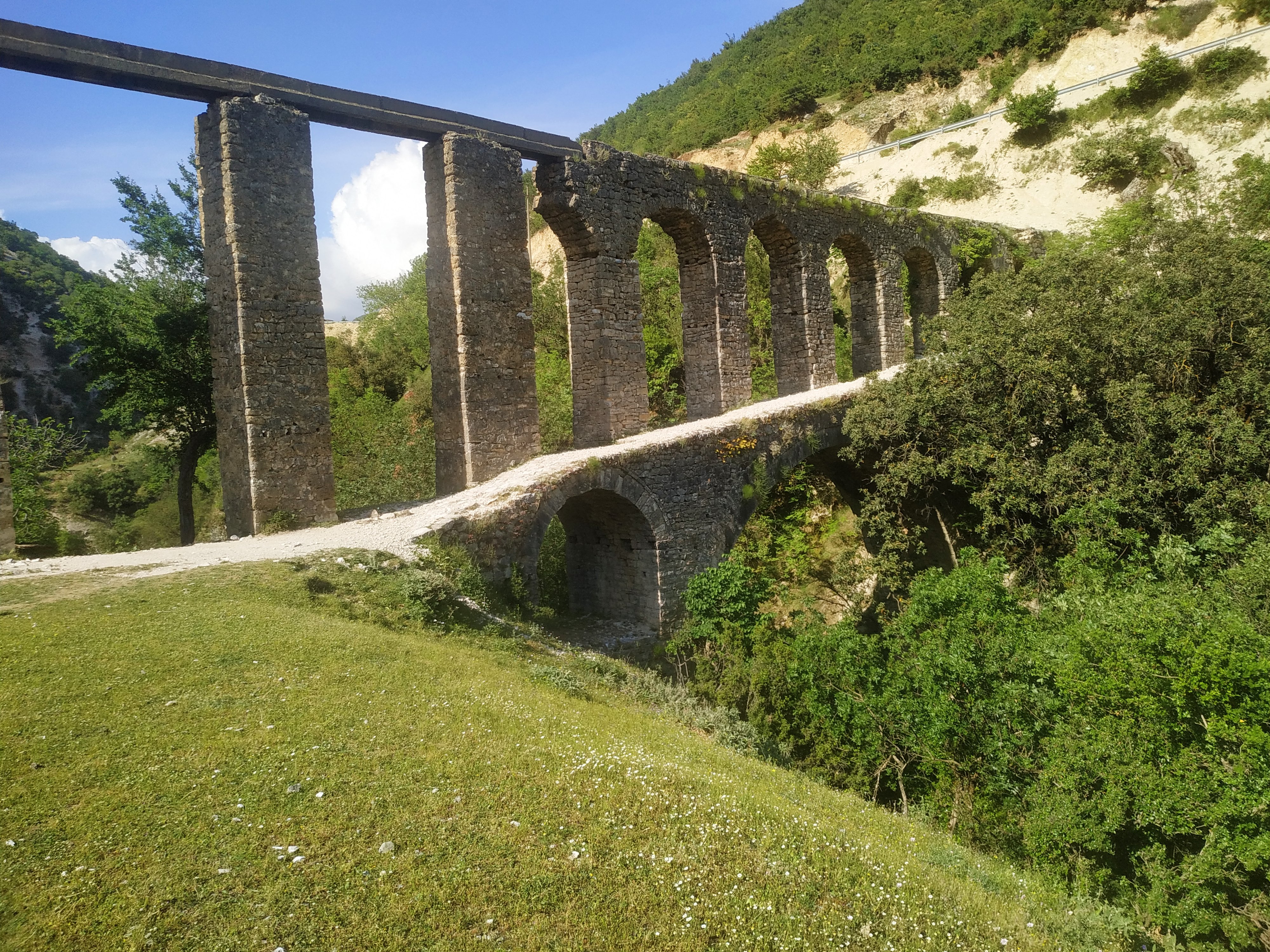
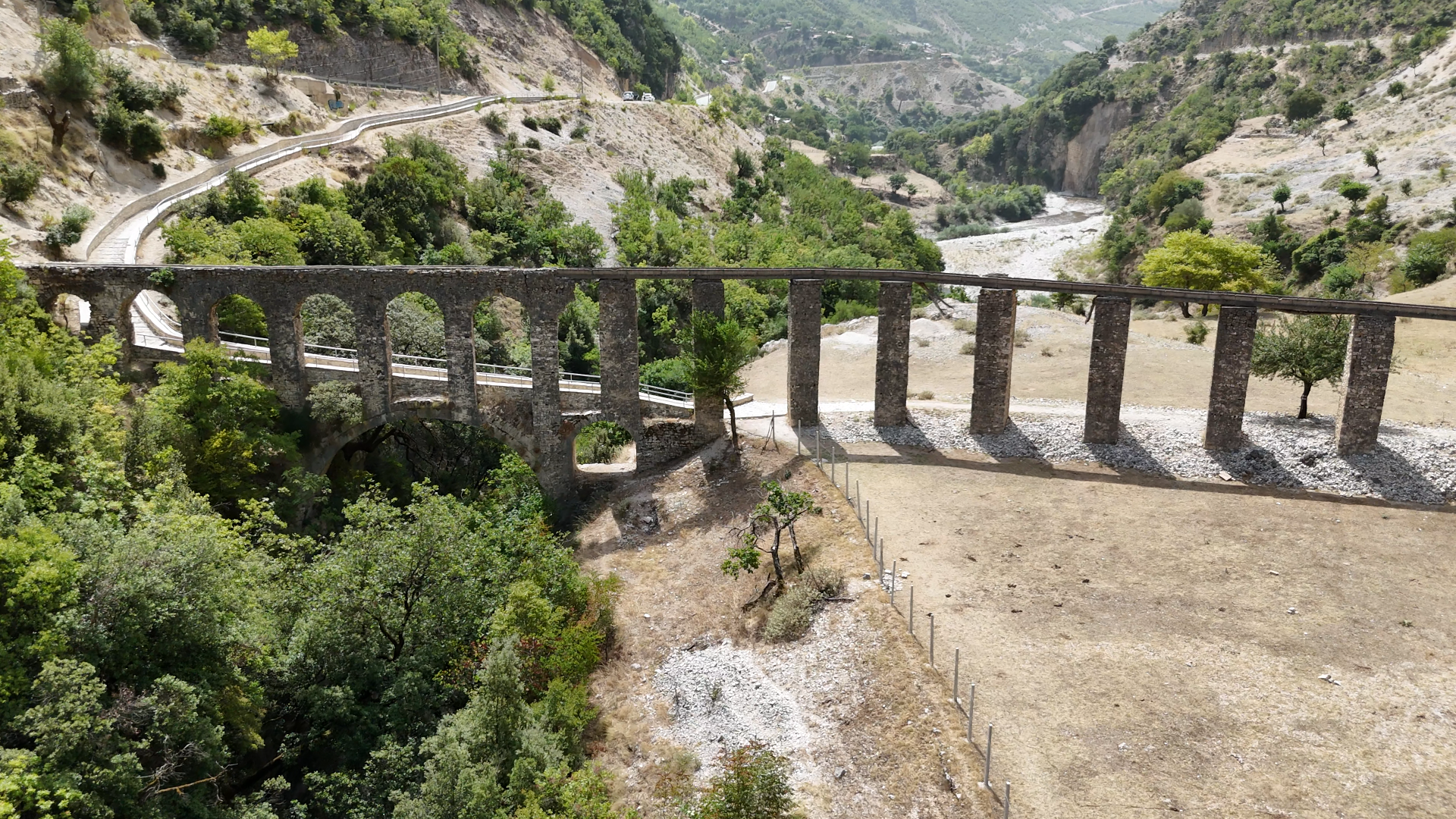
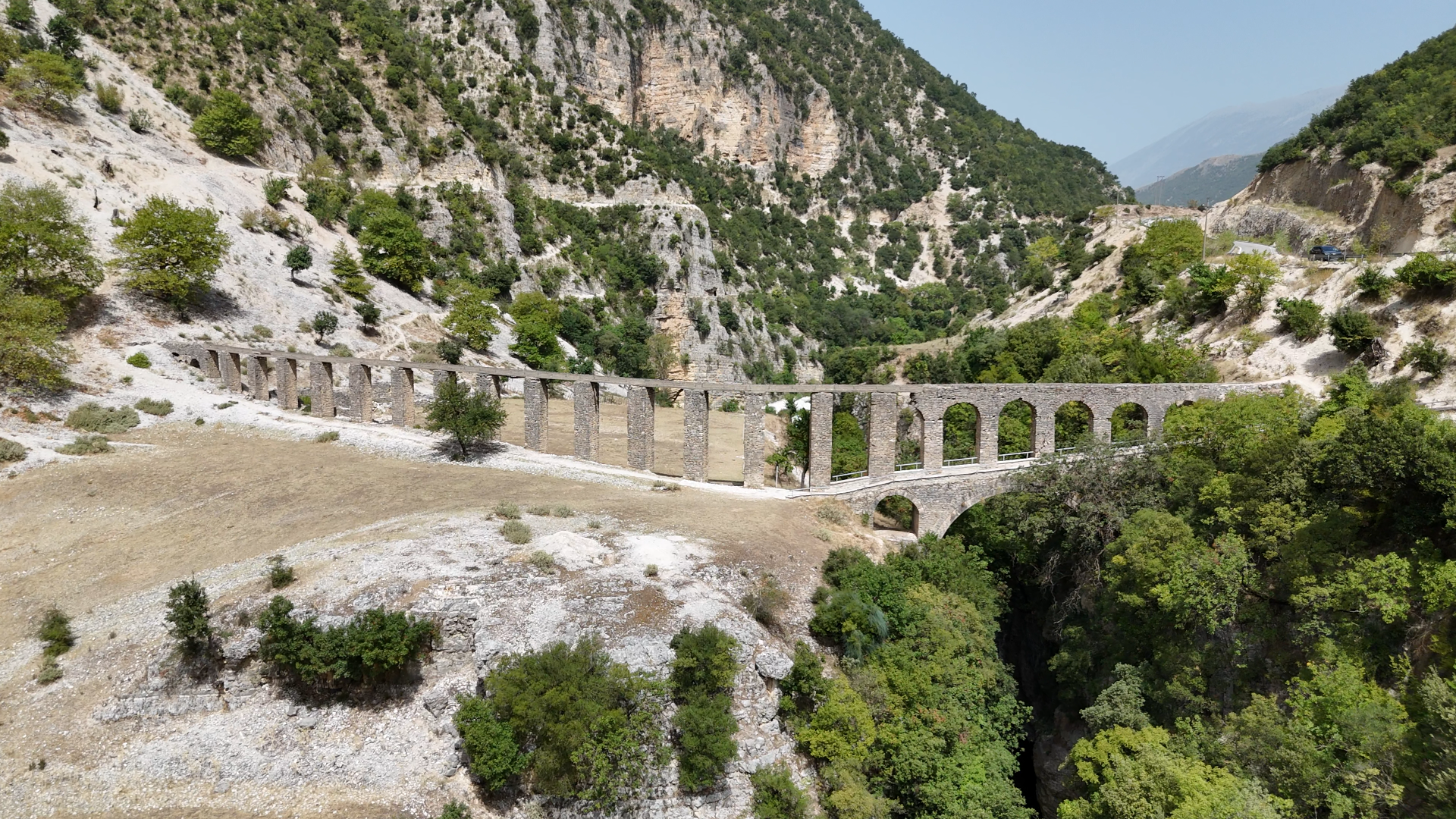
The Ali Pasha Tepelena Aqueduct on the Bënçë River is a cultural monument of significant historical, architectural and engineering value, built in the 19th century, during the reign of Ali Pasha Tepelena. Also known as the Bënçë Aqueduct, this object represents one of the characteristic works of water infrastructure of that time and testifies to the efforts to ensure the water supply of the Tepelena Castle.
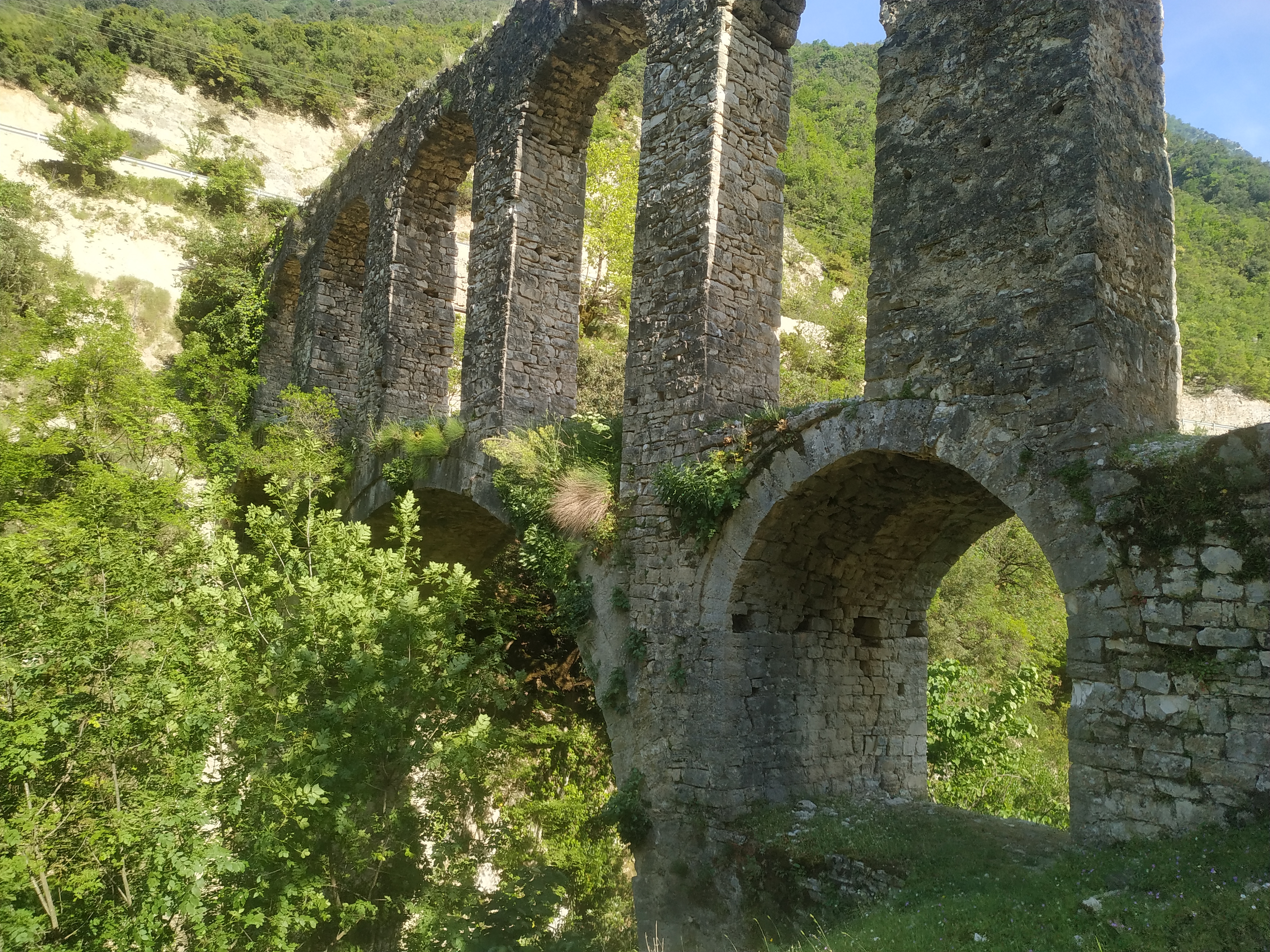
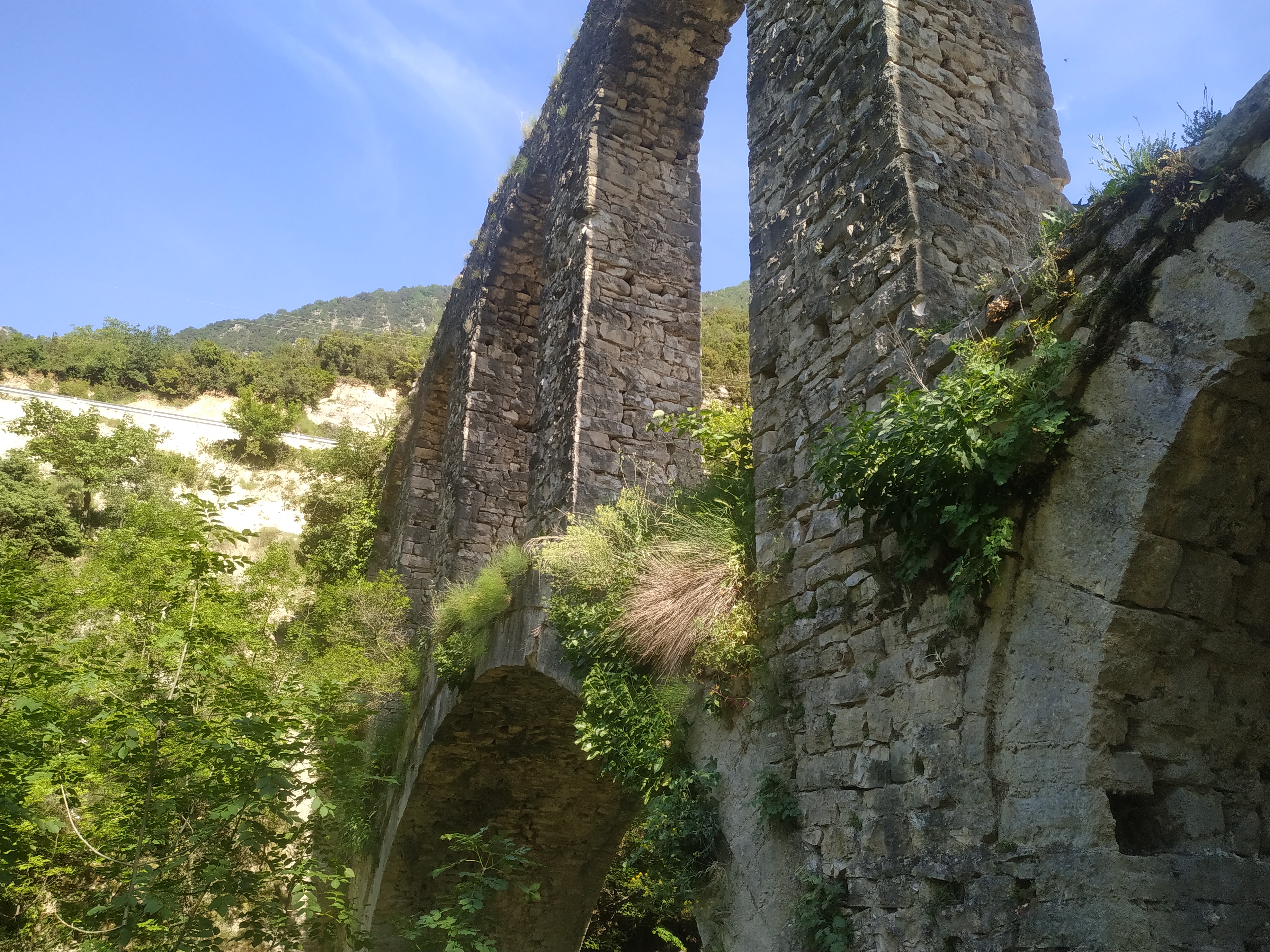
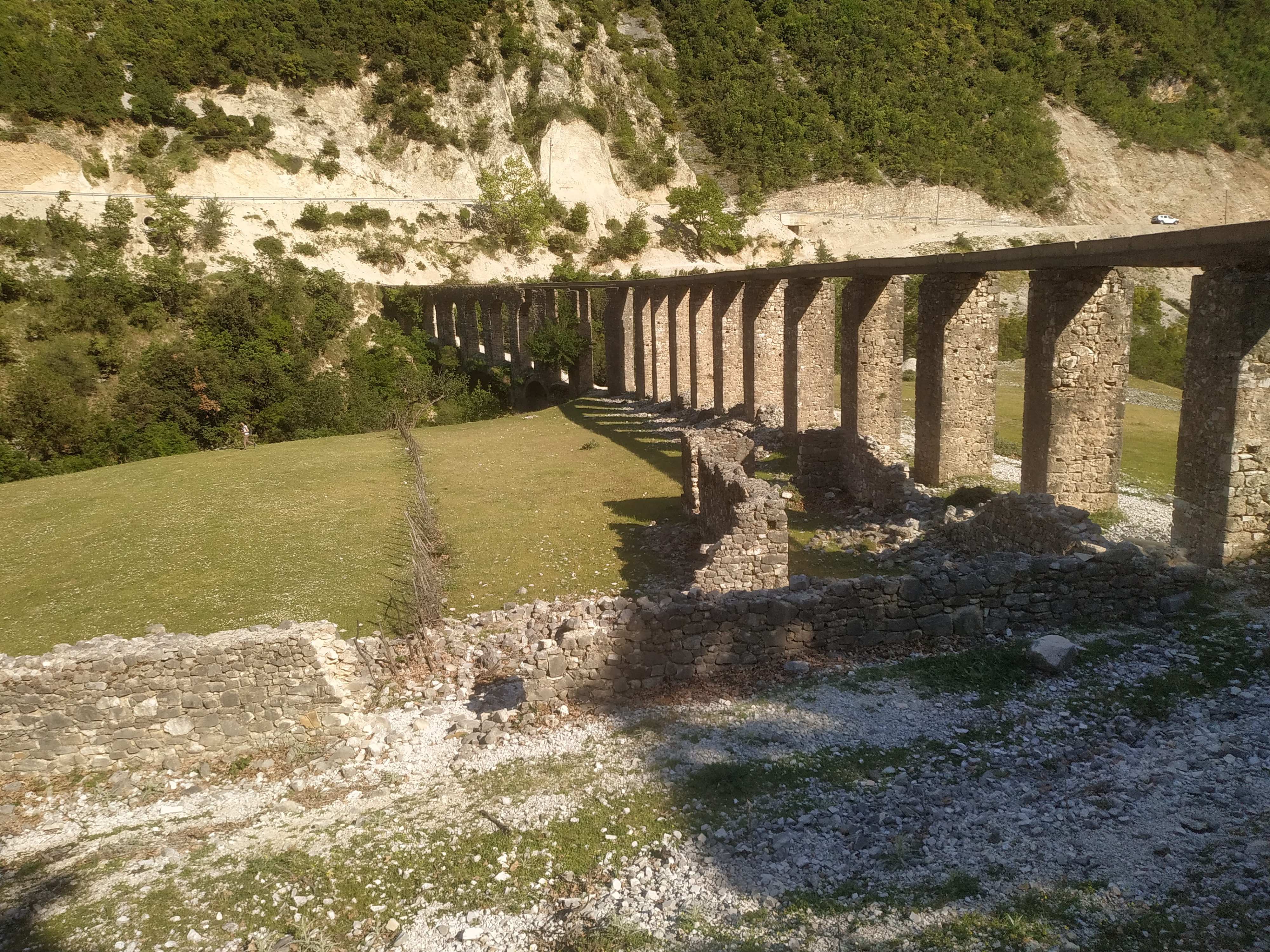
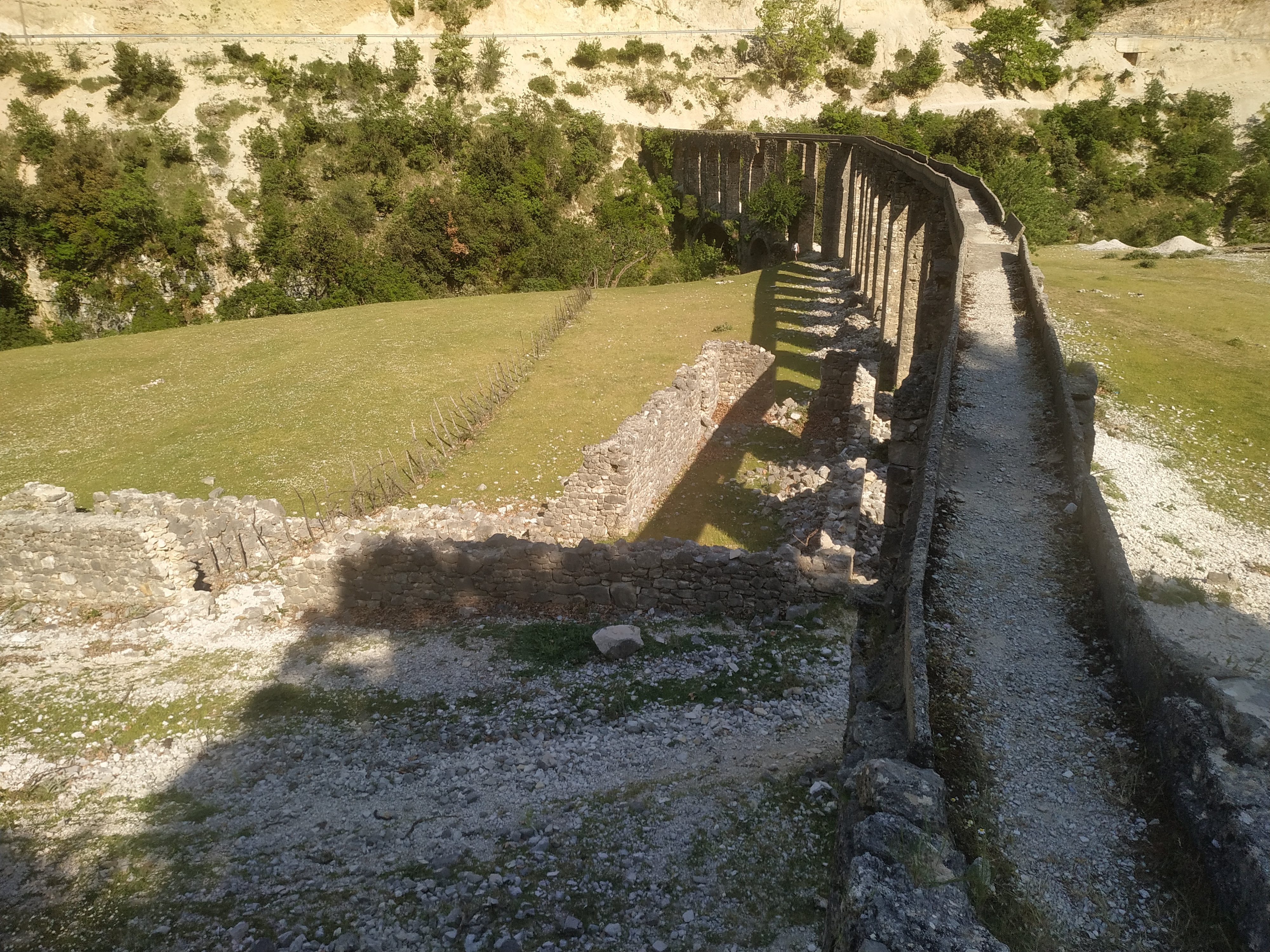
The monument is located on the Bënçë River, in a unique natural environment, where the combination of the mountain relief with the river flow creates an impressive landscape. The aqueduct consists of a long stone structure, supported on 21 columns of different heights, adapted to the terrain. In the part where it crosses the riverbed, the structure is supported on a bridge with three arches, which allowed the aqueduct to overcome the natural obstacle and continue to convey water.
In addition to its practical function, the aqueduct testifies to the technical knowledge and construction skills of the masters of the time, who used stone and adaptation to the terrain to create a durable work. It reflects the importance of water supply for the functioning of fortified centers and for the organization of life in the period of Ali Pasha Tepelena.
During the 1930s, the aqueduct suffered significant damage from an earthquake, after which it was rebuilt. However, it retains its importance as evidence of the historical and engineering heritage of the Tepelena region.
Today, the Ali Pashë Tepelena Aqueduct constitutes a treasure of Albanian cultural heritage, combining history, architecture and the natural landscape of the Bënçë River. It is a point of interest for visitors, researchers and history enthusiasts, contributing to the recognition and promotion of the historical monuments of this area. Its preservation and promotion are important for the transmission of this heritage to future generations and for the development of cultural and natural tourism in the Tepelena region.
Photos