Culture· Libohovë
The Church of the Dormition of the Virgin Mary – Labova e Kryqit
The Church of the Dormition of the Virgin Mary is located in the centre of the village of Labova e Kryqit, within the Municipality of Libohovë, in Gjirokastër County.
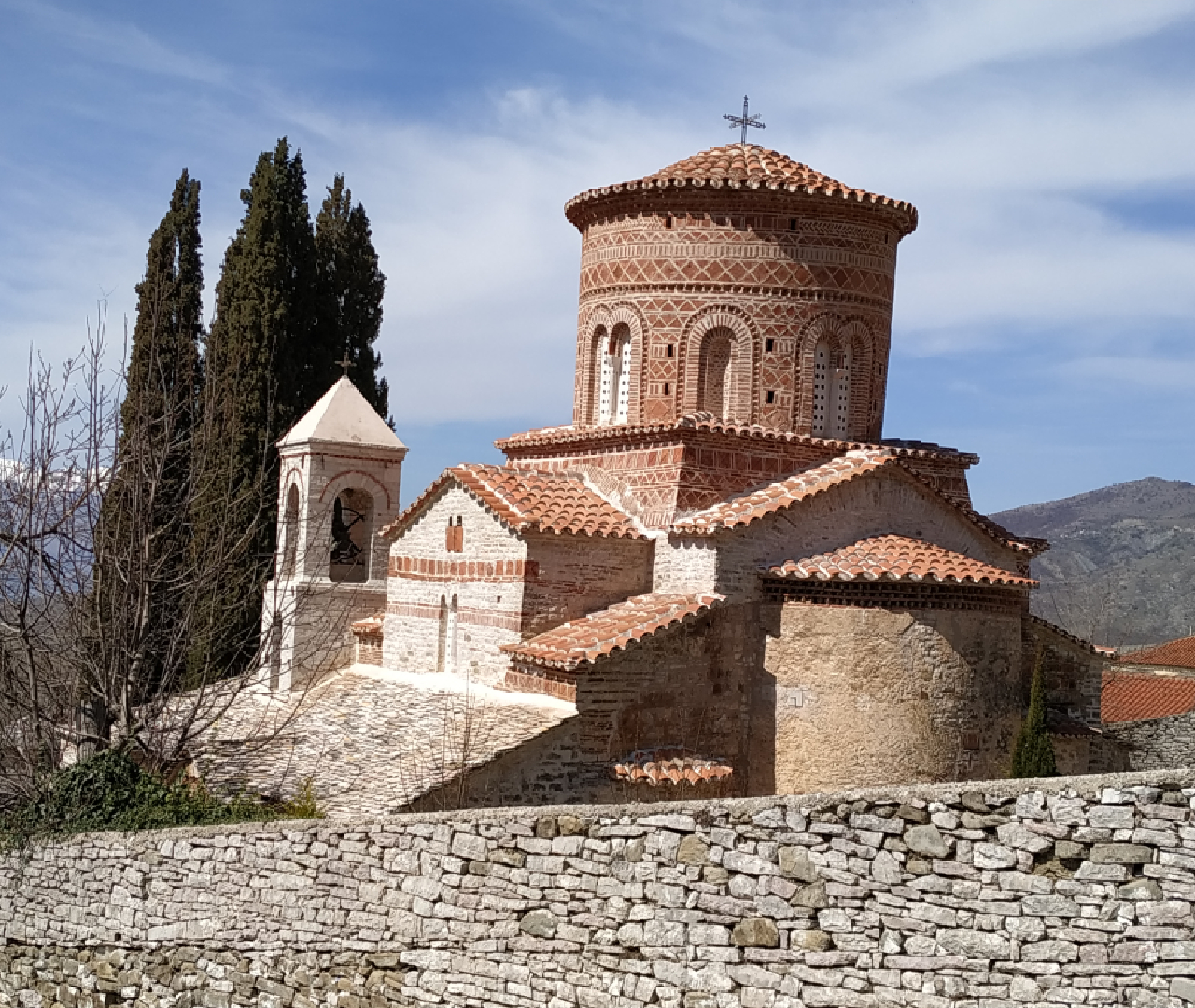
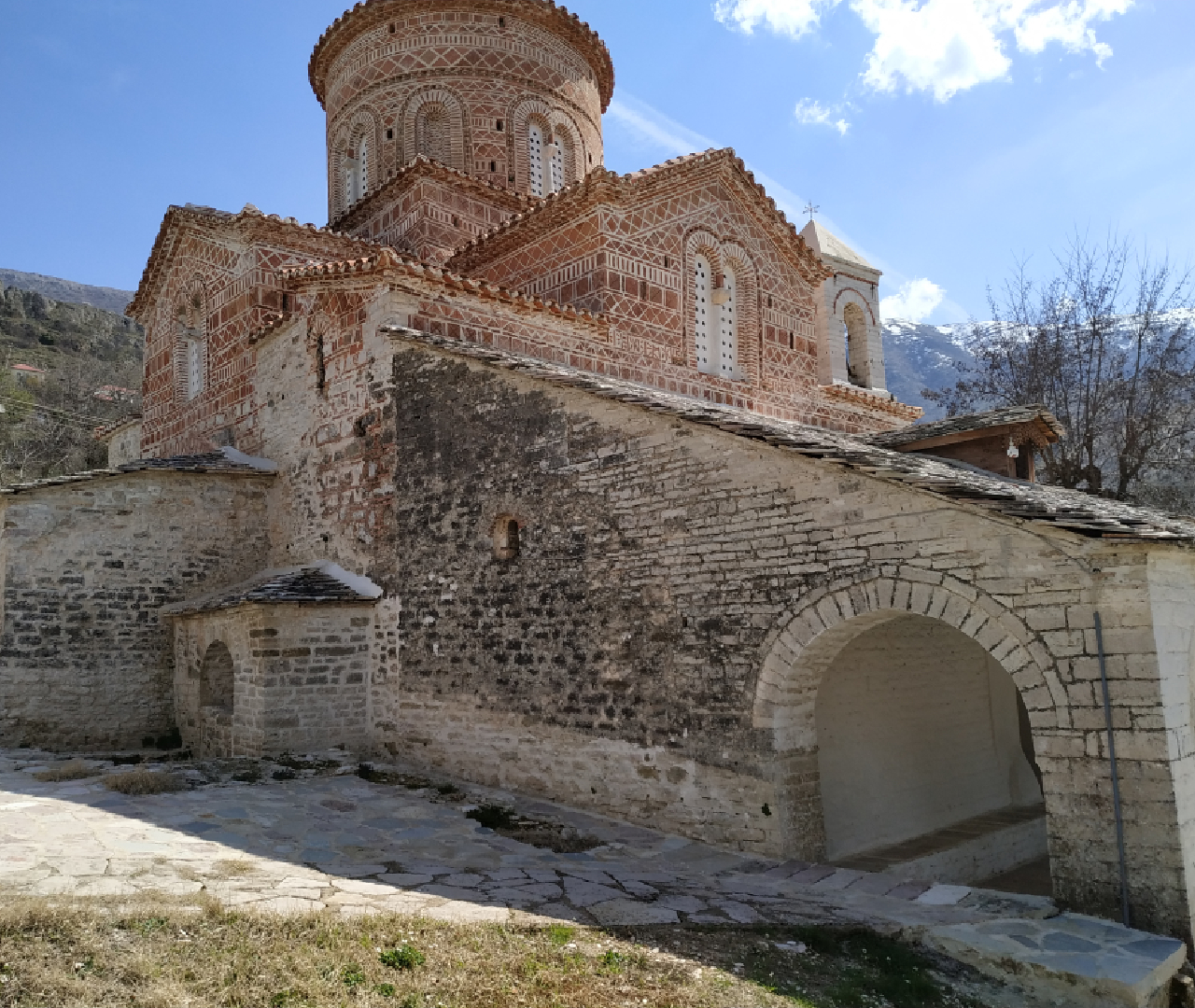
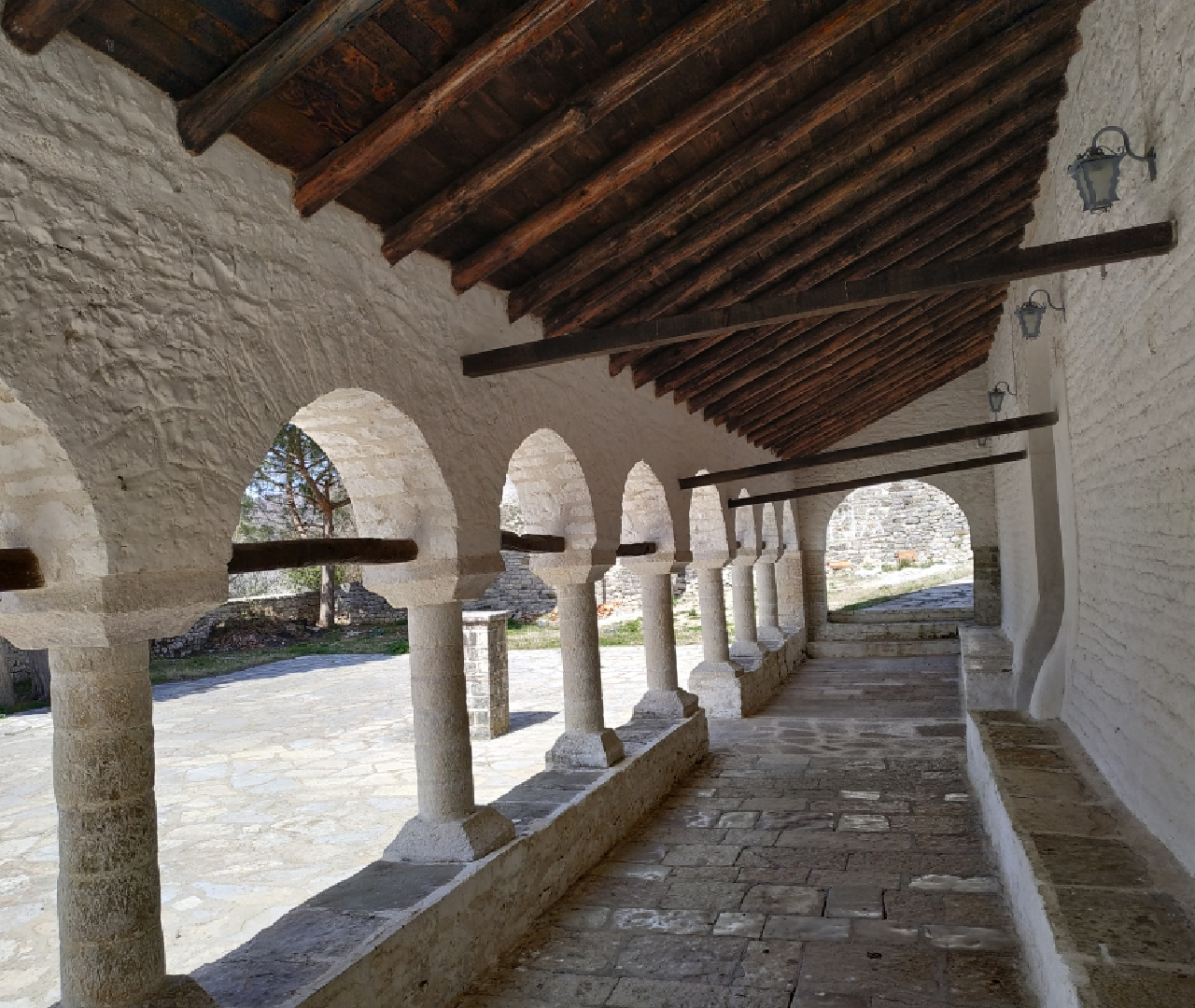
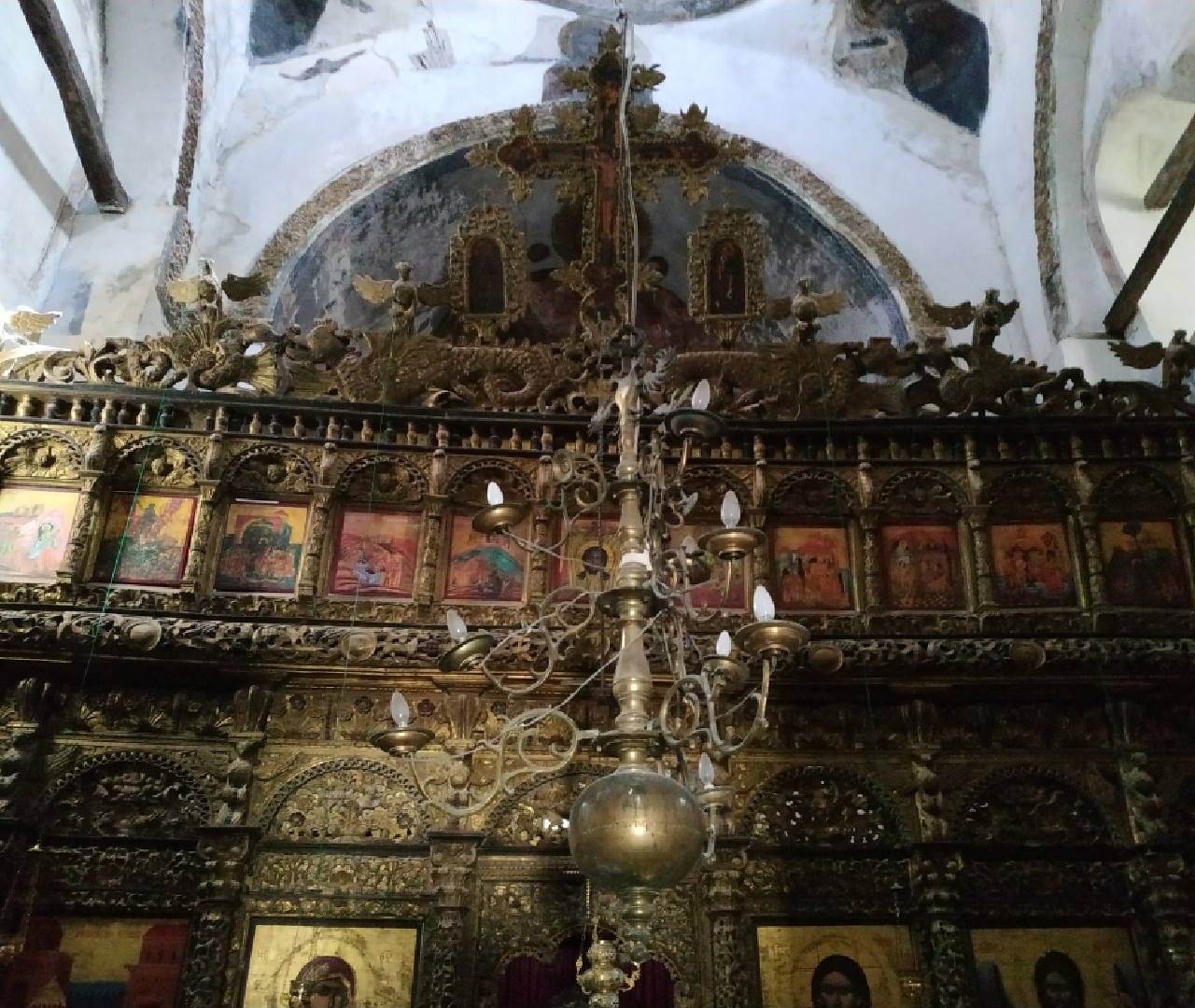
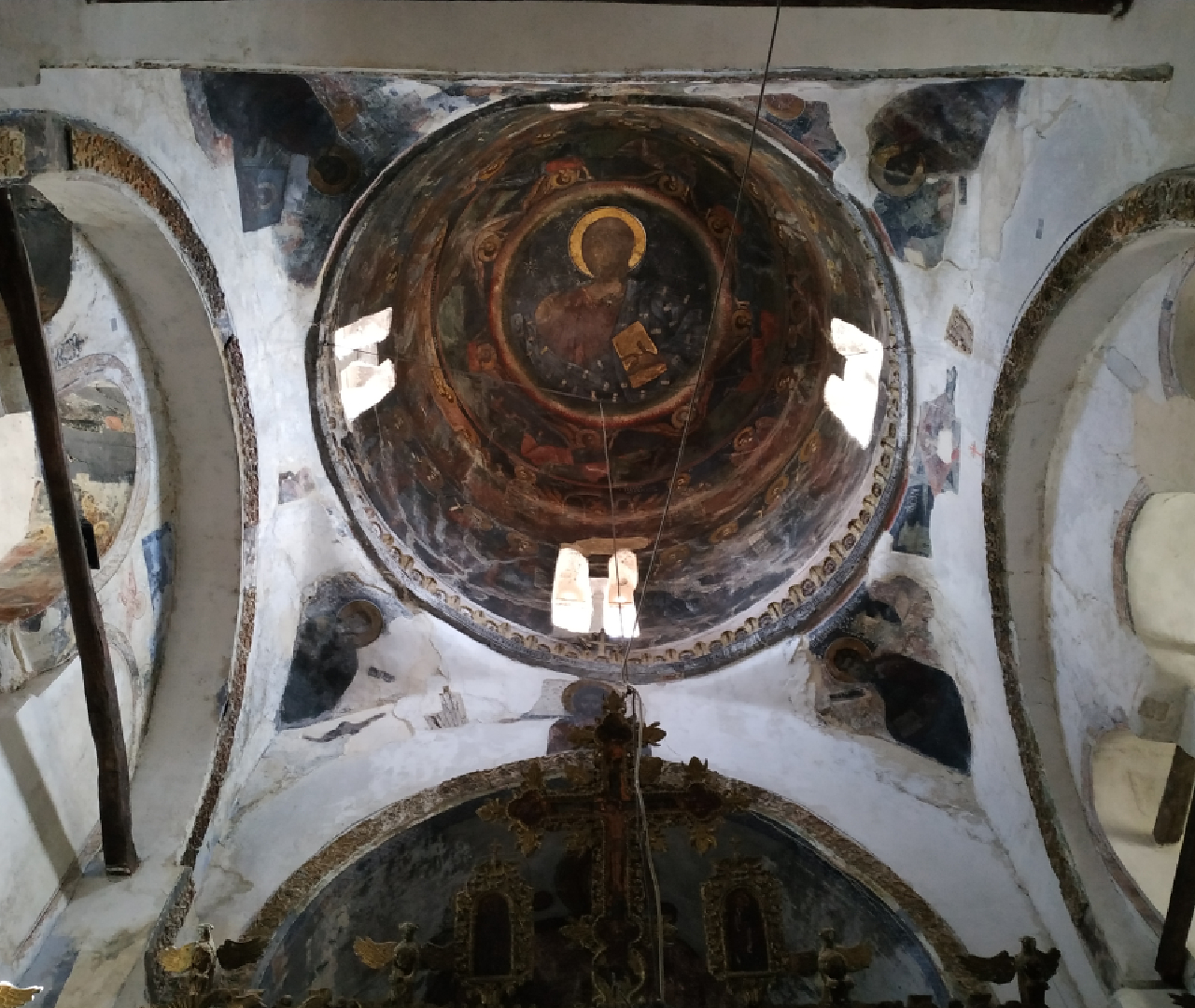
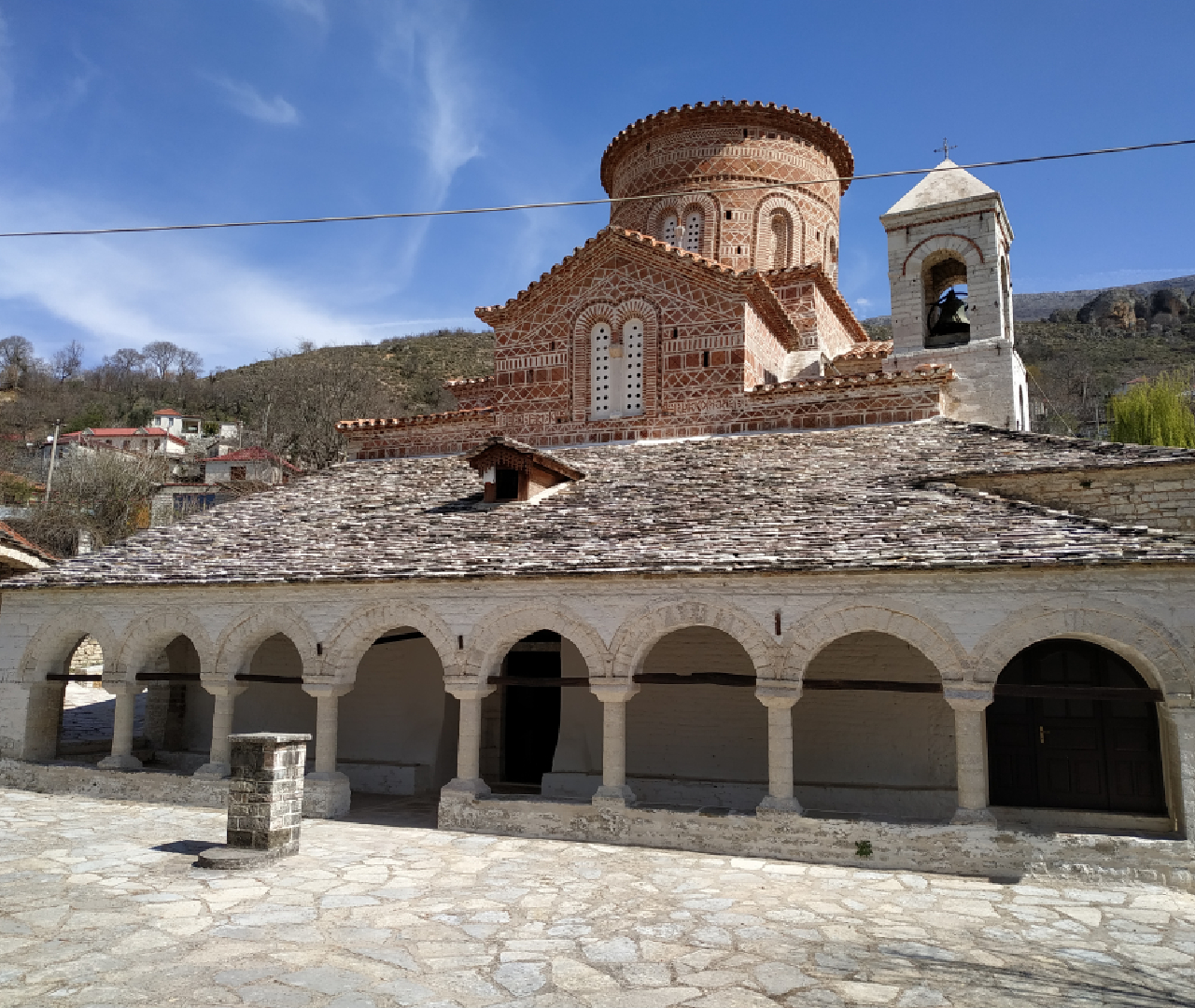
The Church of the Dormition of the Virgin Mary is located in the centre of the village of Labova e Kryqit, within the Municipality of Libohovë, in Gjirokastër County. It is one of the most important monuments of Byzantine ecclesiastical architecture in Albania and represents a significant part of the region's historical, religious, and cultural heritage. According to local tradition, the founding of the church is associated with the reign of the Byzantine Emperor Justinian I (527–565). However, the building that survives today dates mainly from the medieval period, with construction phases attributed to the 10th–13th centuries. Throughout its history, the church has undergone several alterations and reconstructions, one of the most significant taking place in 1776. Architecturally, the church follows the Byzantine style, featuring a cross-in-square floor plan and a tall central dome supported by four massive pillars and supporting arches. Its exterior walls are characterised by a combination of stone and brickwork, creating decorative patterns typical of Byzantine architecture. The narthex is located on the western side, while the interior space consists of the naos and the arms of the cross. One of the most distinctive elements in the history of this church is the relic known as the Holy Cross of Labova, which, according to tradition, contained a fragment of wood from the cross on which Jesus Christ was crucified. The relic is believed to have been donated to the church during the reign of Emperor Justinian and was preserved for centuries as an object of exceptional religious significance. The cross was stolen in 1989, representing a major loss to the cultural and spiritual heritage of the area. Today, the Church of Labova e Kryqit remains an important destination for cultural and religious tourism. Beyond its architectural and historical significance, it represents an essential part of the identity, history, and spiritual traditions of the local community.
Photos