Culture· Përmet
The Church of Saint Mary of Leuse
Situated in the picturesque village of Leusë, approximately 2.5 km from the center of Përmet, the Church of Saint Mary is one of the most remarkable religious monuments in southern Albania.
Situated in the picturesque village of Leusë, approximately 2.5 km from the center of Përmet, the Church of Saint Mary is one of the most remarkable religious monuments in southern Albania. Although the present structure was completed in 1812, its historical roots are believed to reach back to the 7th–8th centuries, traditionally associated with the reign of Emperor Justinian. The church gained particular importance during the medieval period and represents an outstanding example of Albania's religious and architectural heritage.
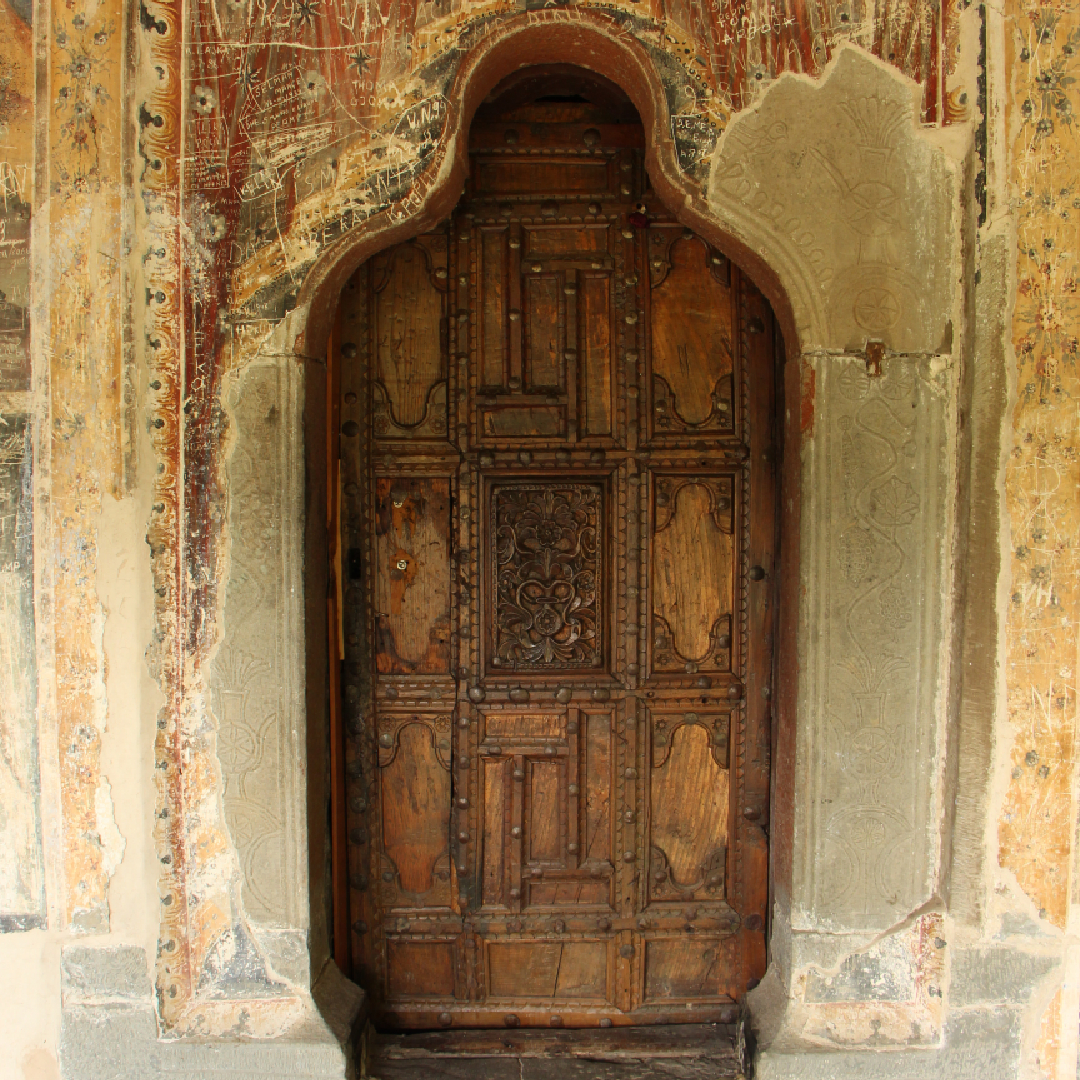
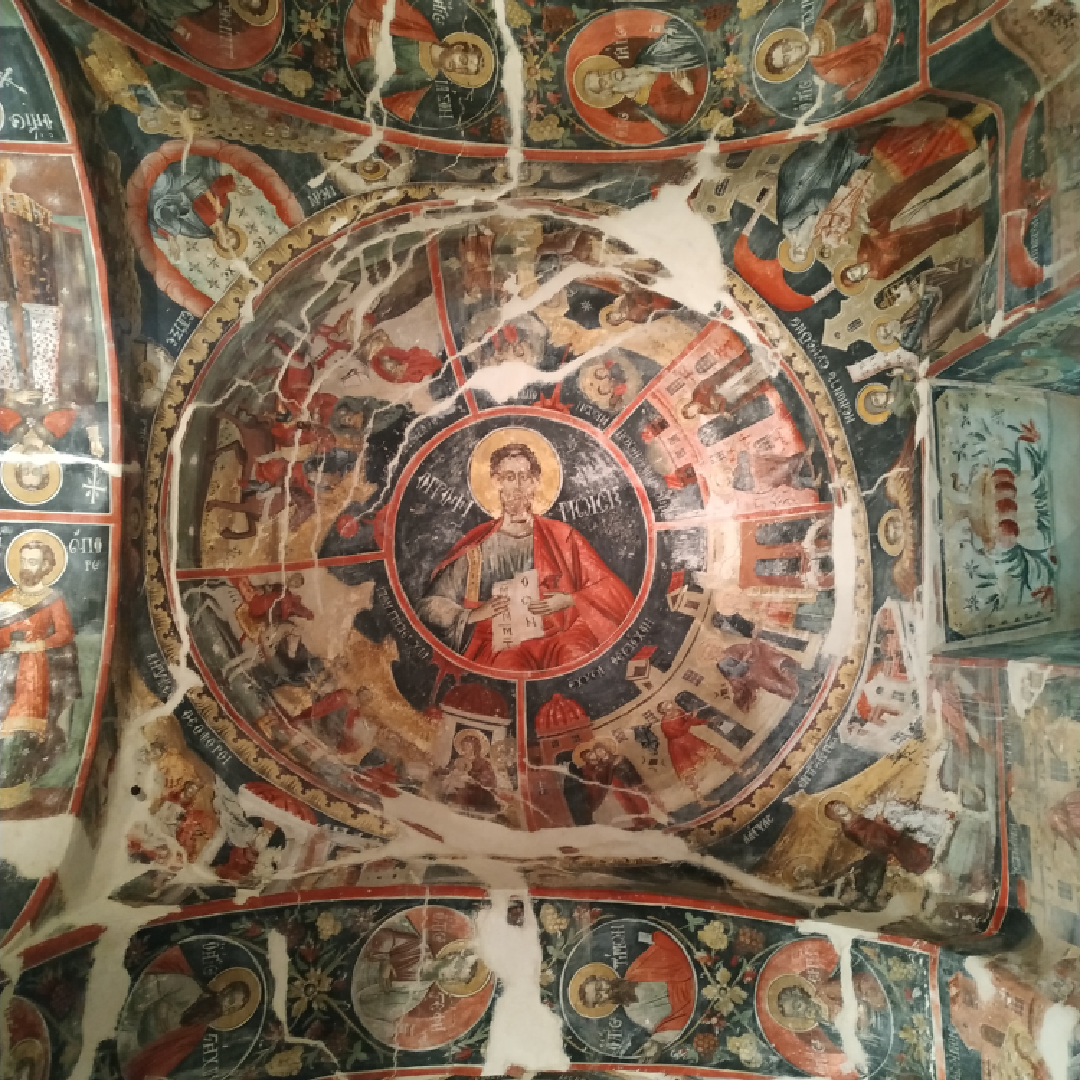
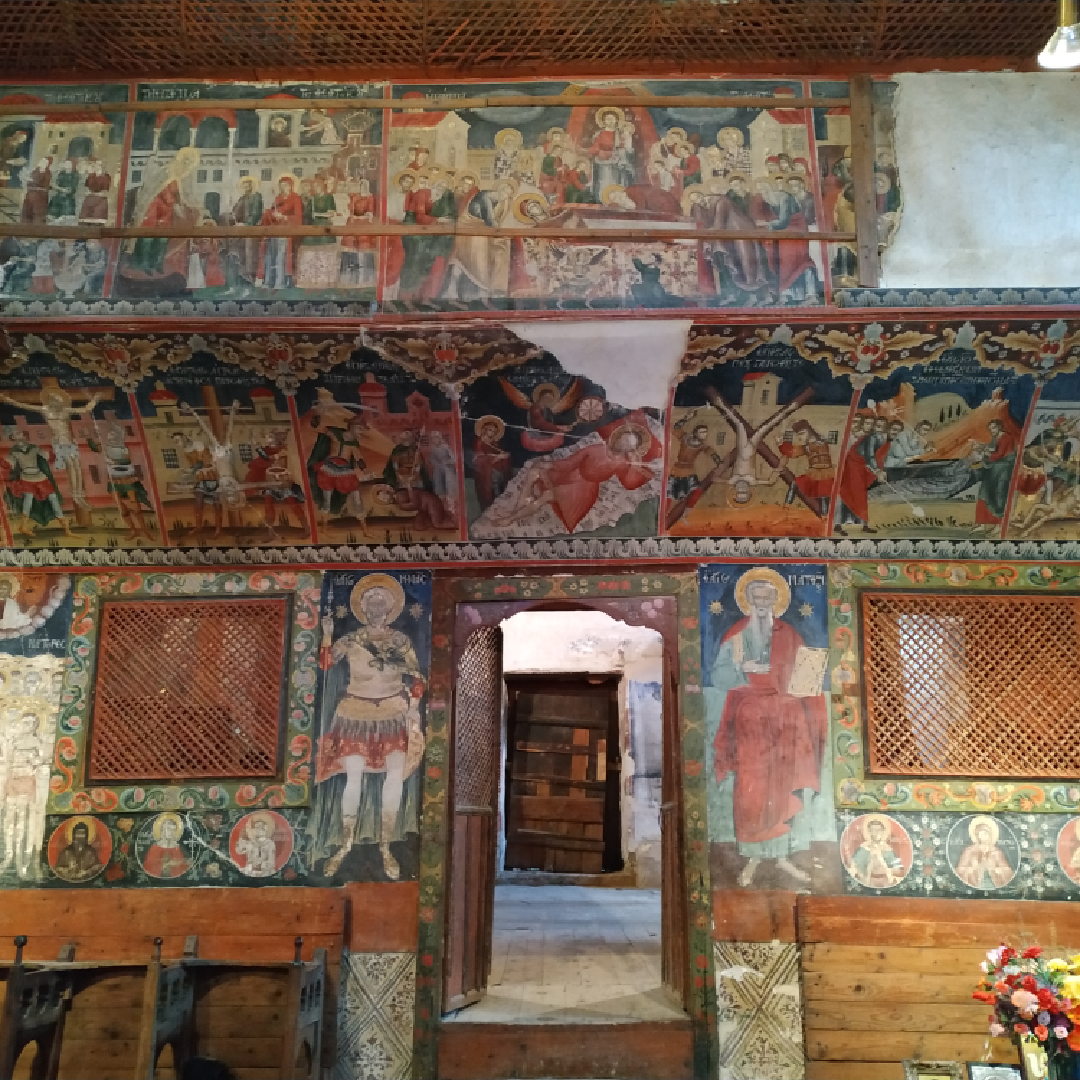
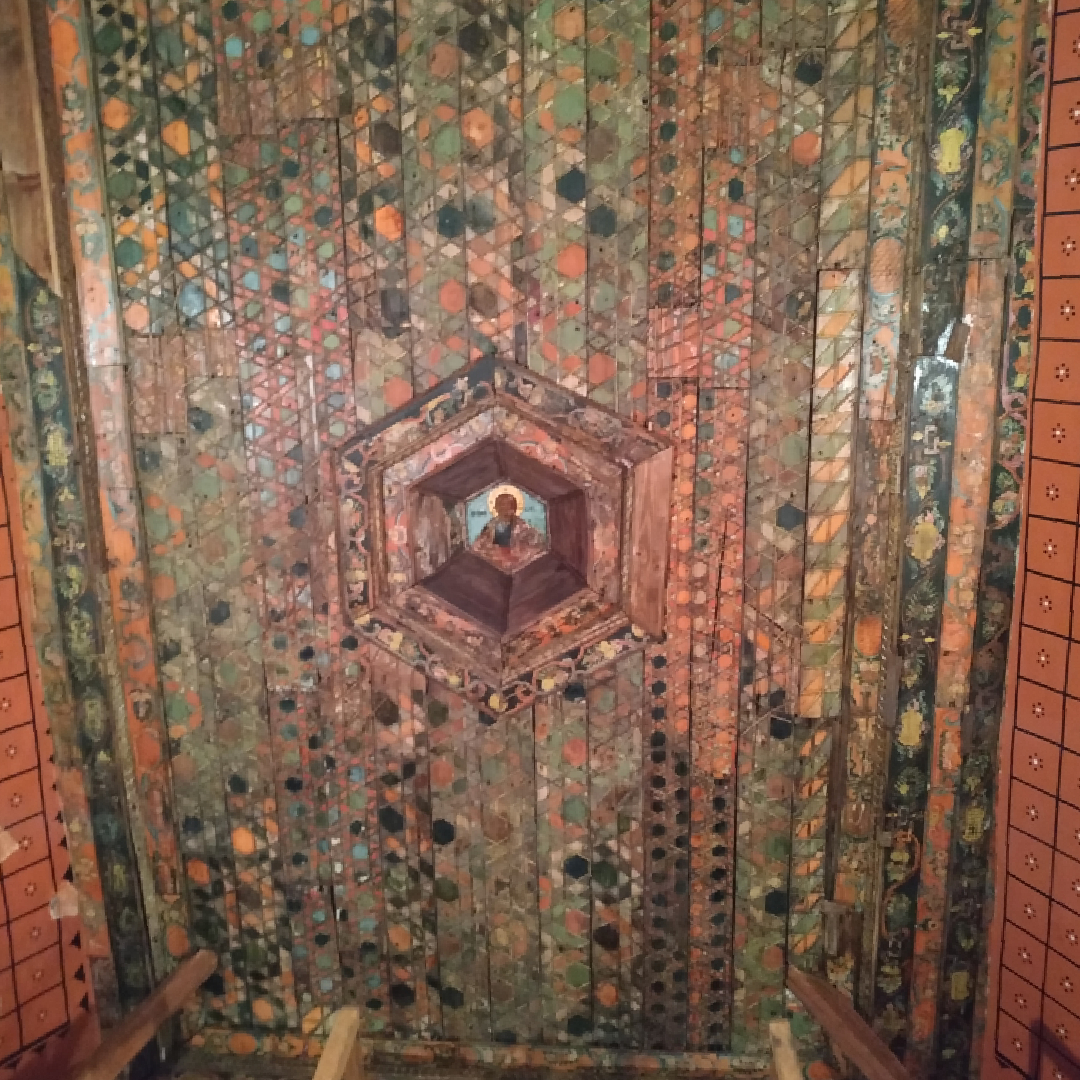
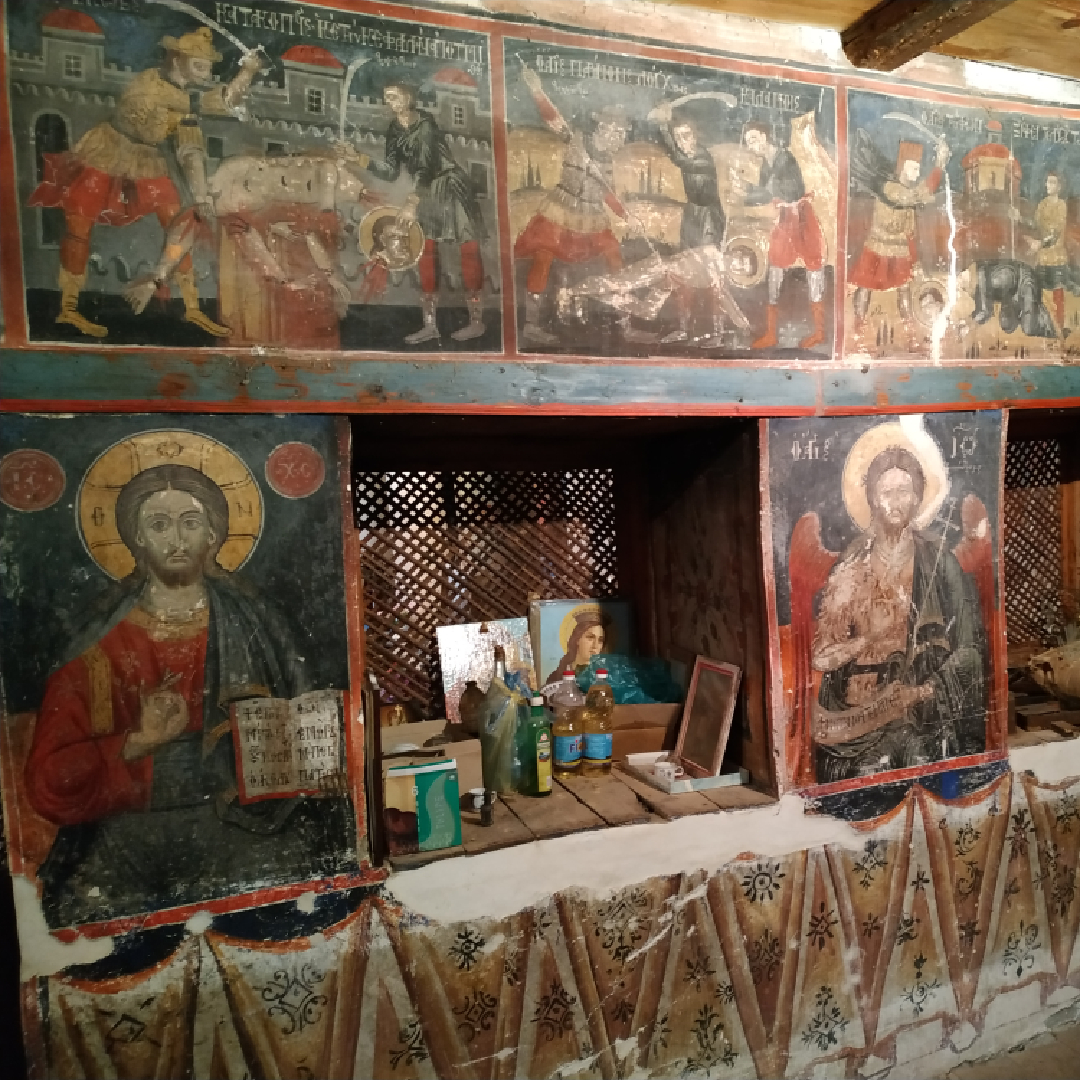
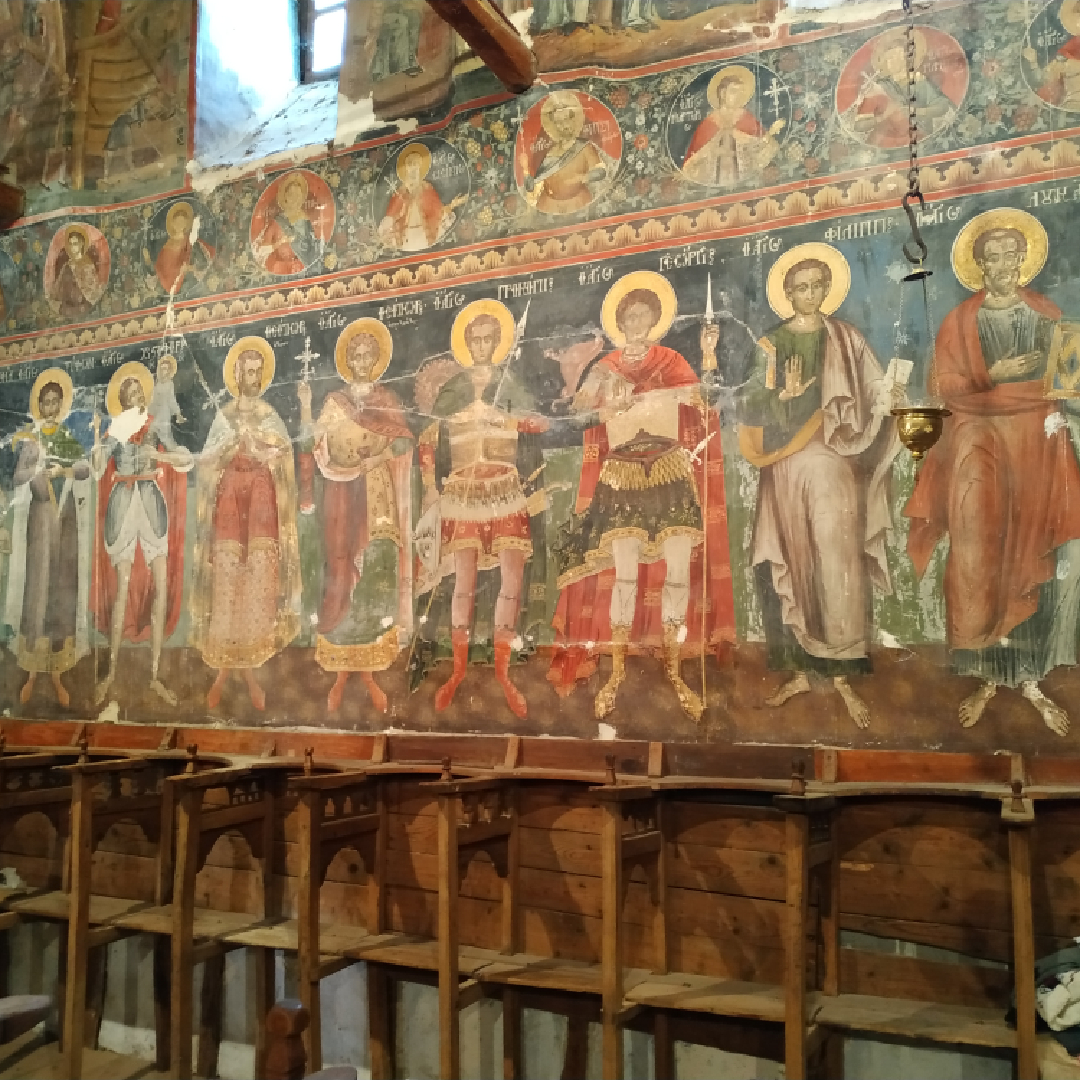
The church is especially renowned for its extraordinary interior decoration. Almost every wall and architectural surface is covered with elaborate frescoes and icons illustrating biblical narratives from both the Old and New Testaments. A particularly impressive feature is the monumental fresco in the hajat (porch), measuring approximately 20 metres in length and 5 metres in height. Despite its artistic and historical value, parts of this remarkable painting have unfortunately been damaged by graffiti left by visitors over the years. Architecturally, the church is composed of three principal sections: the nave, the narthex and the porch, with a small chapel added later on its southern side. The main space follows a domed basilica design, measuring 18.20 × 14.20 metres internally. Two rows of columns divide the nave into three aisles, with the central aisle rising higher and extending more widely than the lateral ones. Arches connect the columns and surrounding walls, forming an elaborate structural arrangement that supports the central dome, which rises above a tall cylindrical drum.
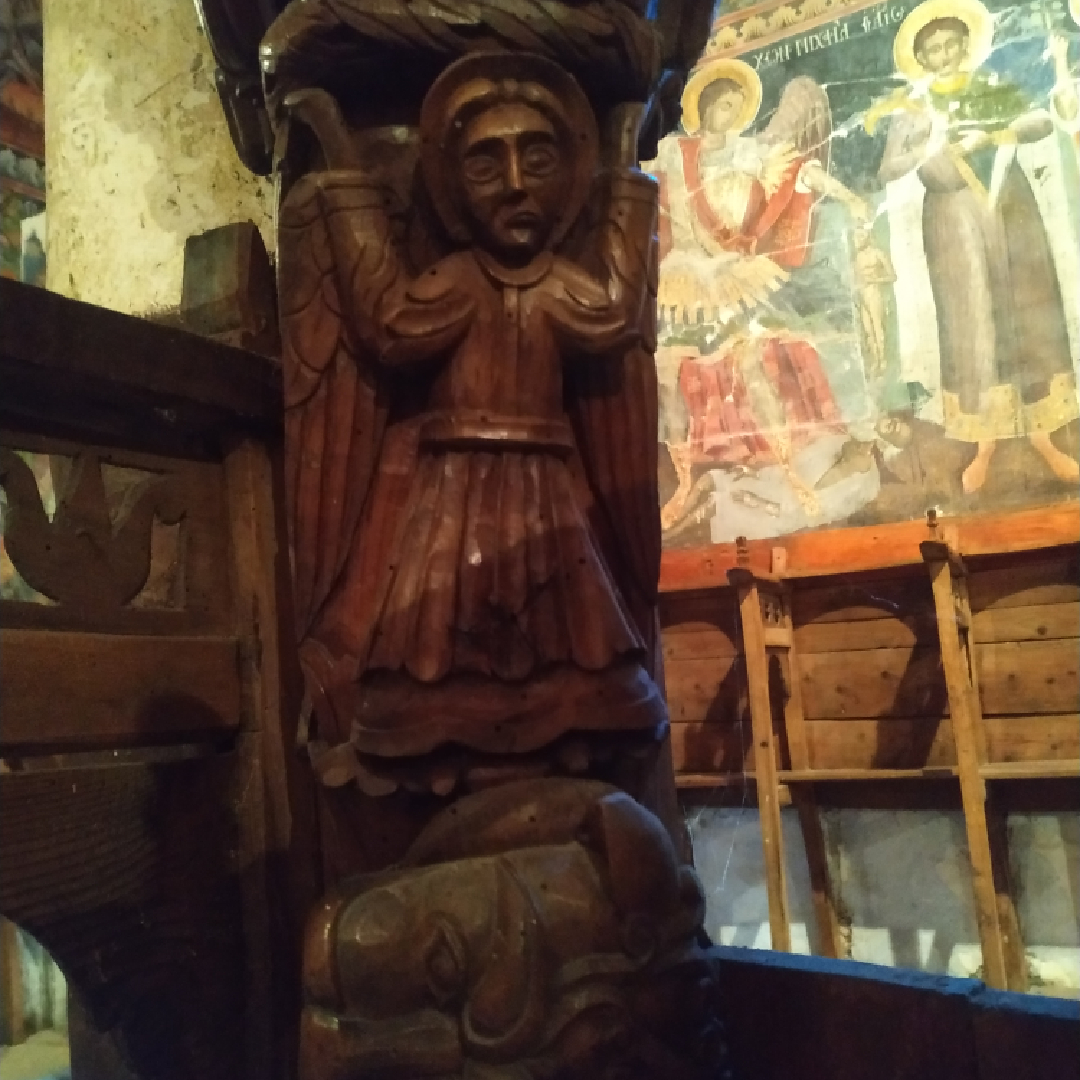
The impressive vertical proportions of the interior, reaching 10.90 metres in the central aisle and 8.80 metres in the side aisles, combined with the natural light entering through numerous windows, create a remarkable sense of openness and grandeur. Another outstanding artistic element is the richly carved wooden iconostasis, situated between the eastern columns. Its intricate ornamentation, together with the bishop's throne and other liturgical furnishings, contributes significantly to the church's exceptional artistic character. On the western side, the two-storey narthex is supported by rows of columns and arcades, while the northern porch extends along the entire length of the building. Its open stone arcade and lower wooden roof form an important architectural feature of the exterior.
From the outside, the church presents a relatively simple and harmonious appearance. Its walls are built of tuff stone, joined with carefully finished lime mortar, while the building is covered by a double-pitched roof of stone slabs. In contrast to the richly decorated interior, the exterior is deliberately modest, with almost no ornamental elements. The Church of Saint Mary of Leusë is particularly significant for its architectural design, the complexity of its structural system, the generous use of natural light and the exceptional quality of its mural paintings and wood carvings. These characteristics reflect the advanced architectural traditions of the late eighteenth and early nineteenth centuries. Today, the church stands as one of the most valuable examples of ecclesiastical architecture in Albania and an essential cultural attraction for visitors exploring the history and heritage of the Përmet region.
Photos