Culture· Përmet
The Church of Saint Mary - Benje
The Church of Saint Mary is a Category I Cultural Monument located in the village of Bënjë, in the Shqeria region.
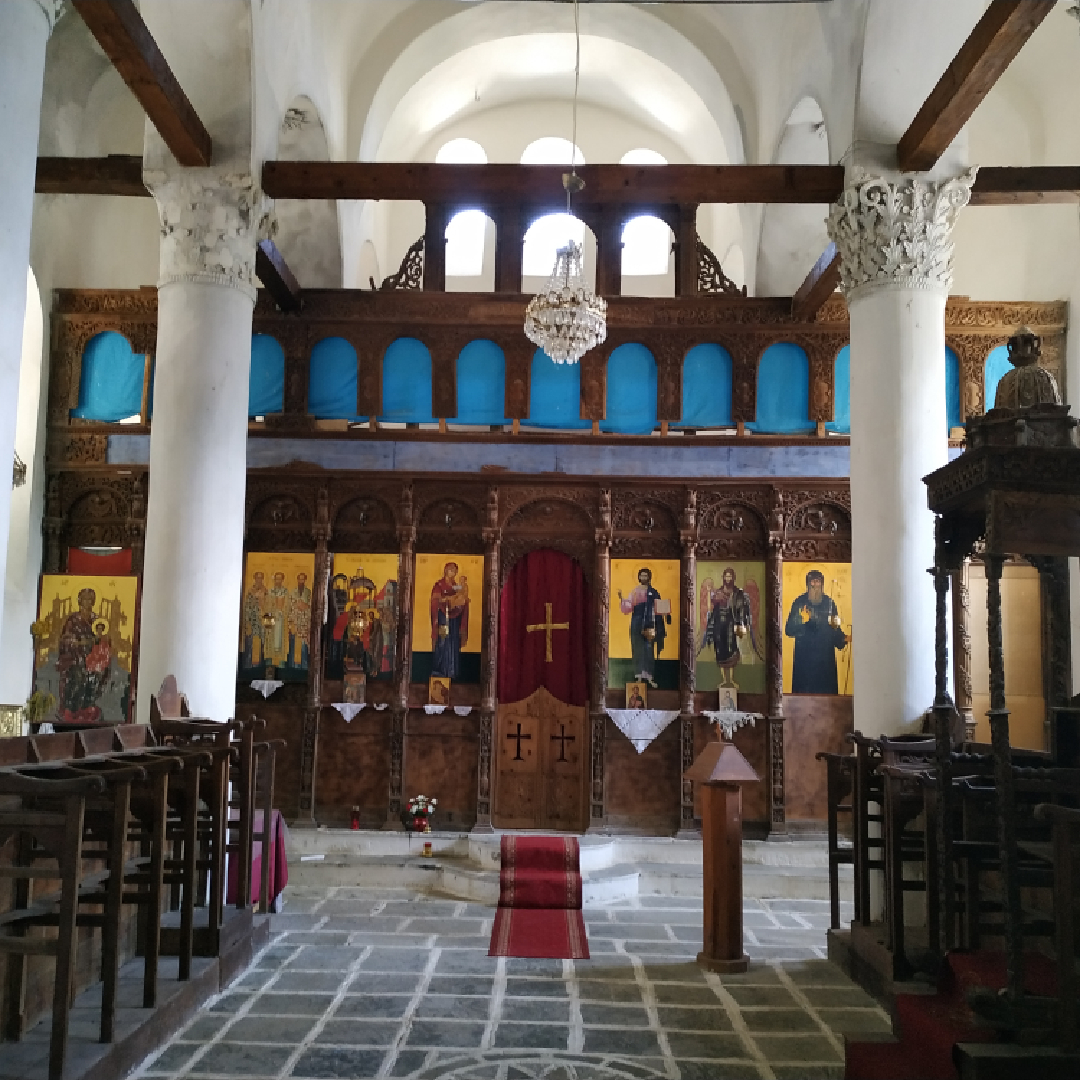
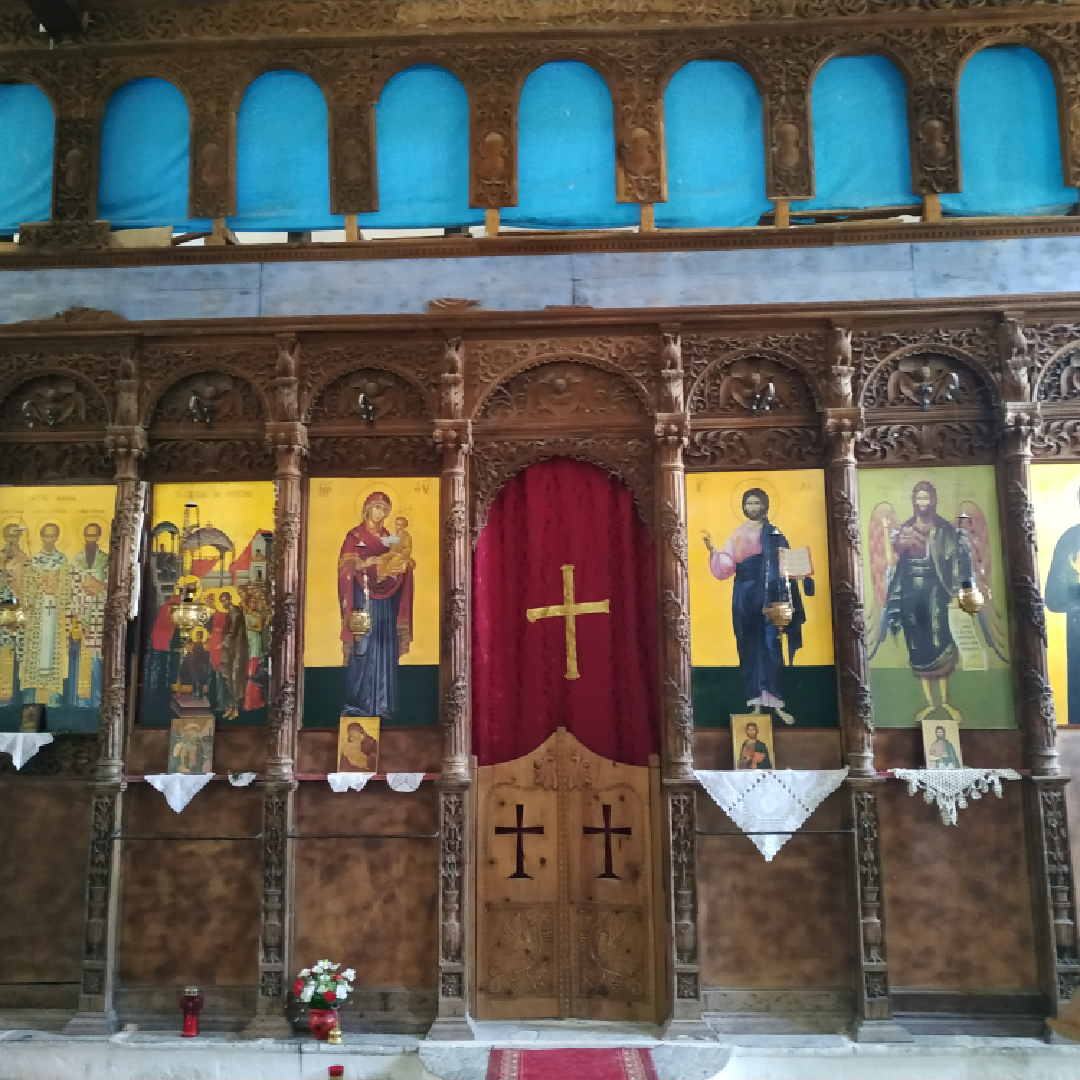
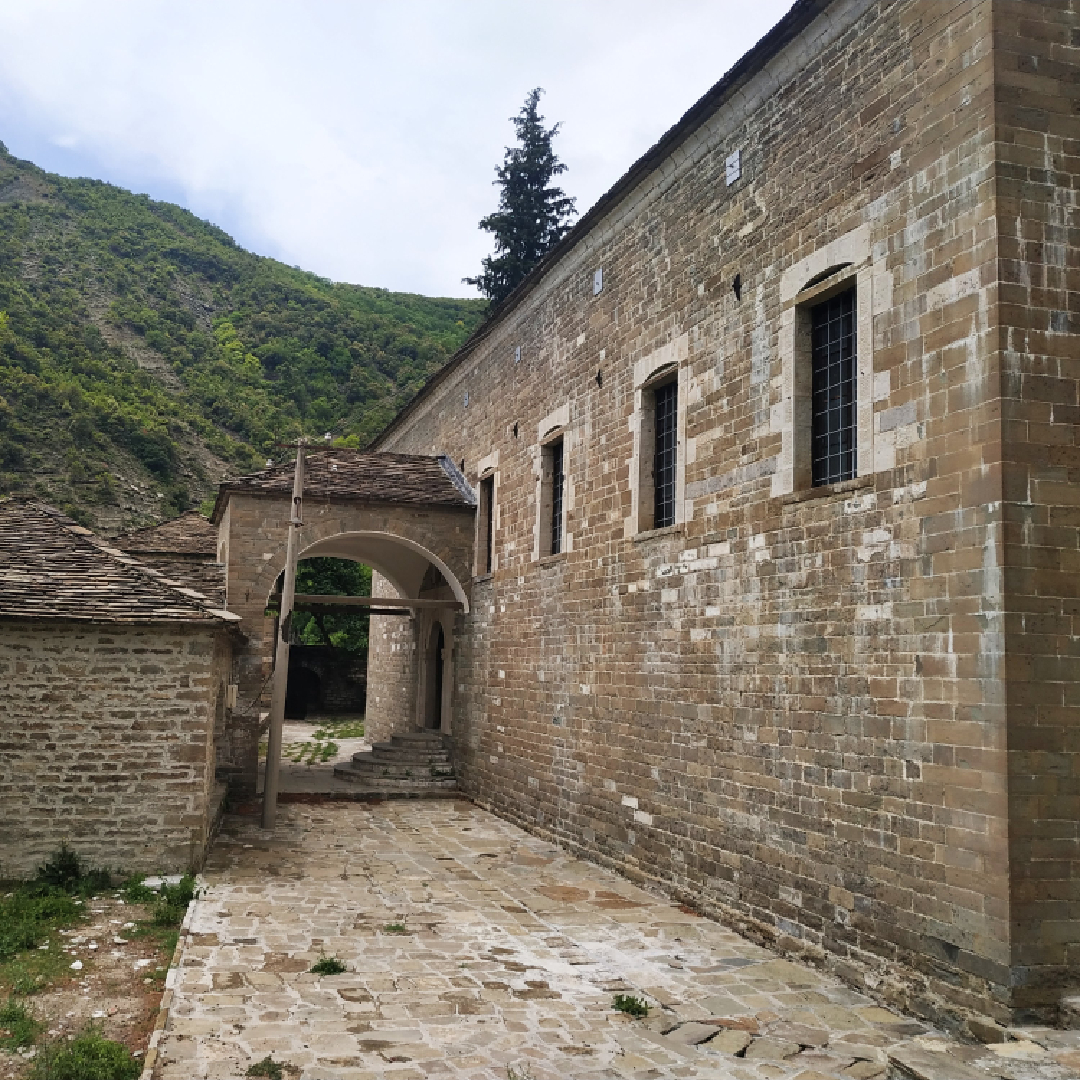
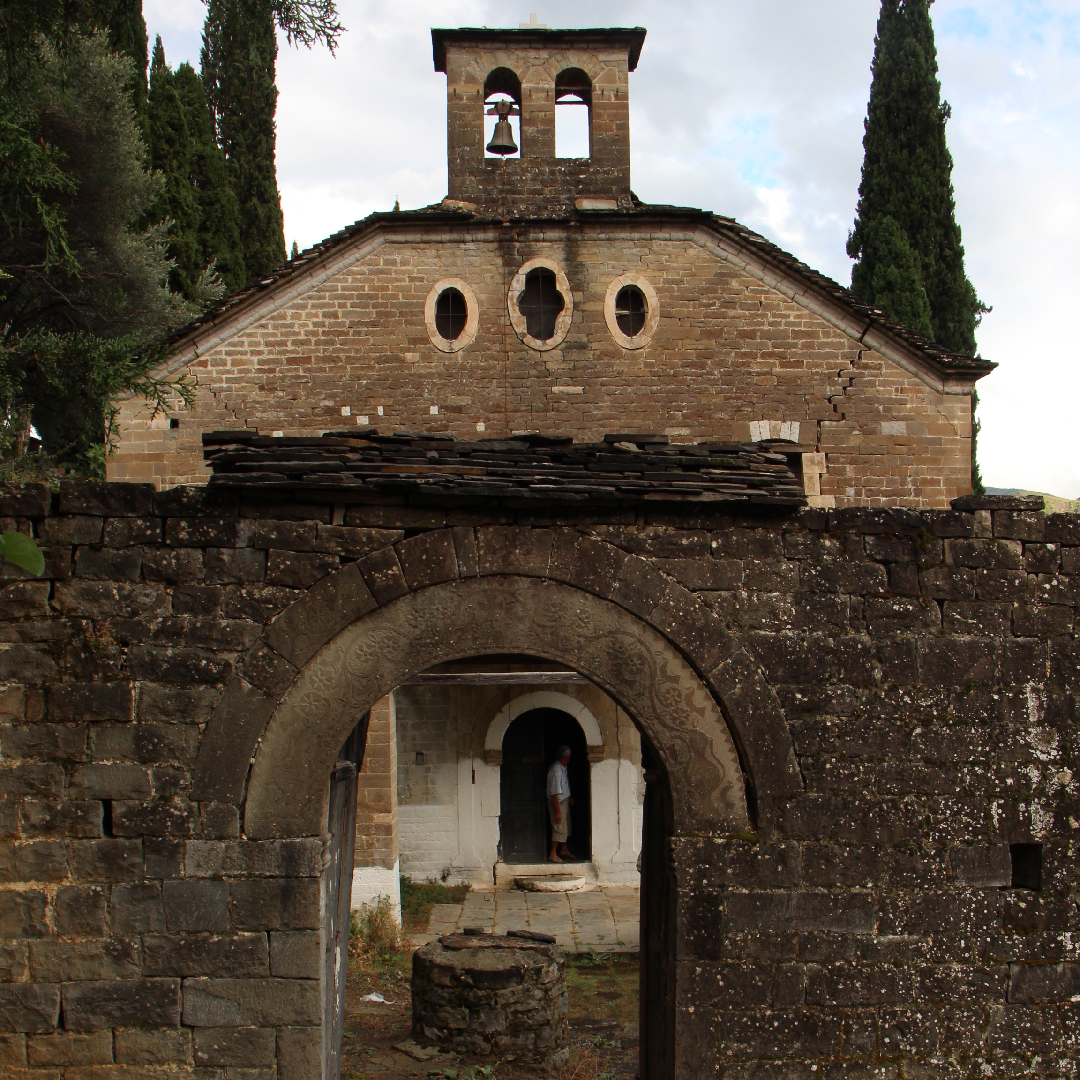
The Church of Saint Mary is a Category I Cultural Monument located in the village of Bënjë, in the Shqeria region. It was constructed towards the end of the 19th century and officially inaugurated in 1891. Its remarkable iconostasis, created by the renowned master Sionidhis Qioni in 1904, was also classified as a Category I Cultural Monument. Unfortunately, the iconostasis was stolen around the year 2000, representing a significant loss to the area's religious and cultural heritage. The church is rectangular in shape and is particularly notable for its excellent acoustics and traditional architectural features. Its exterior walls are built from carefully carved white-grey stone, while the roof is covered with thin stone slabs, reflecting the traditional construction techniques of the region.
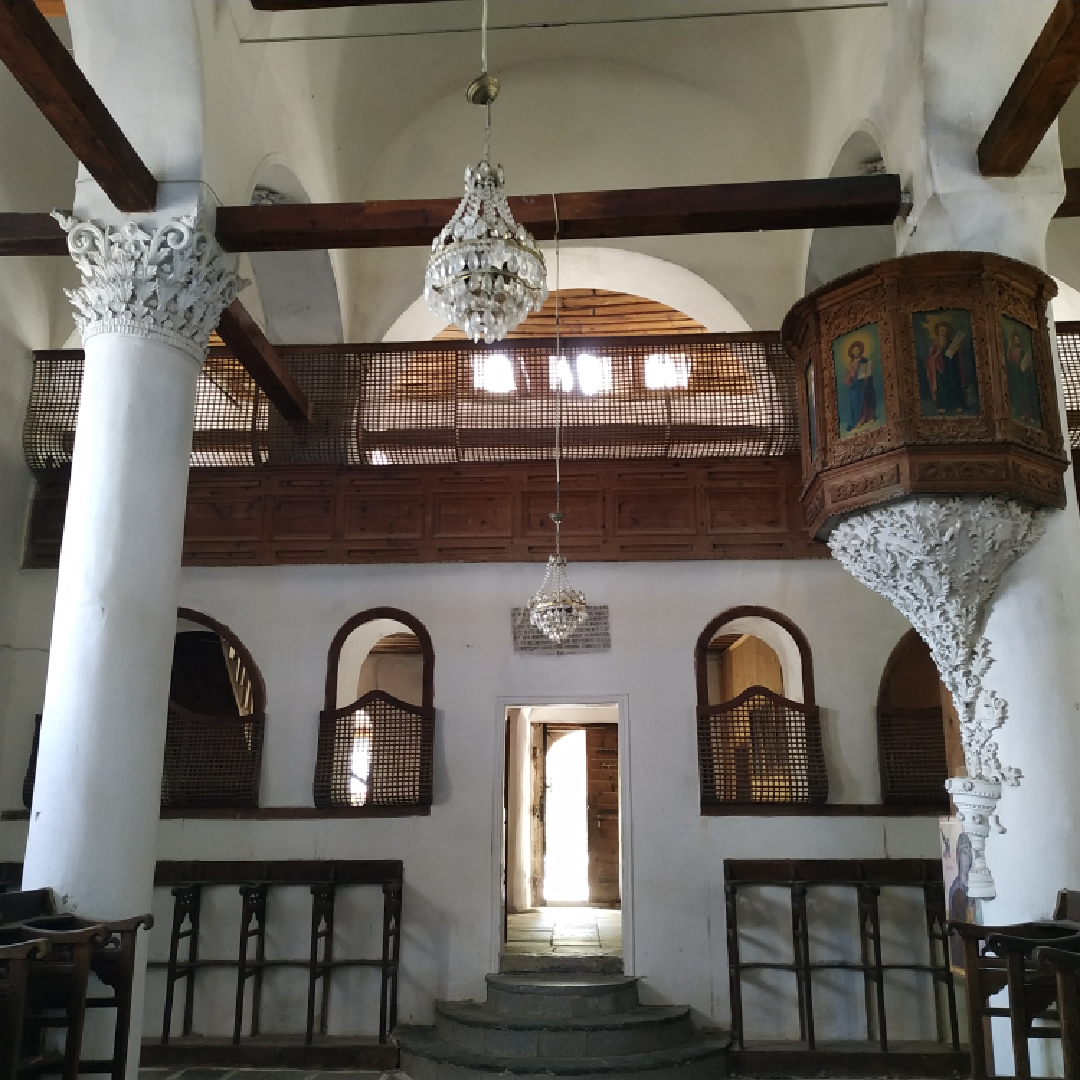
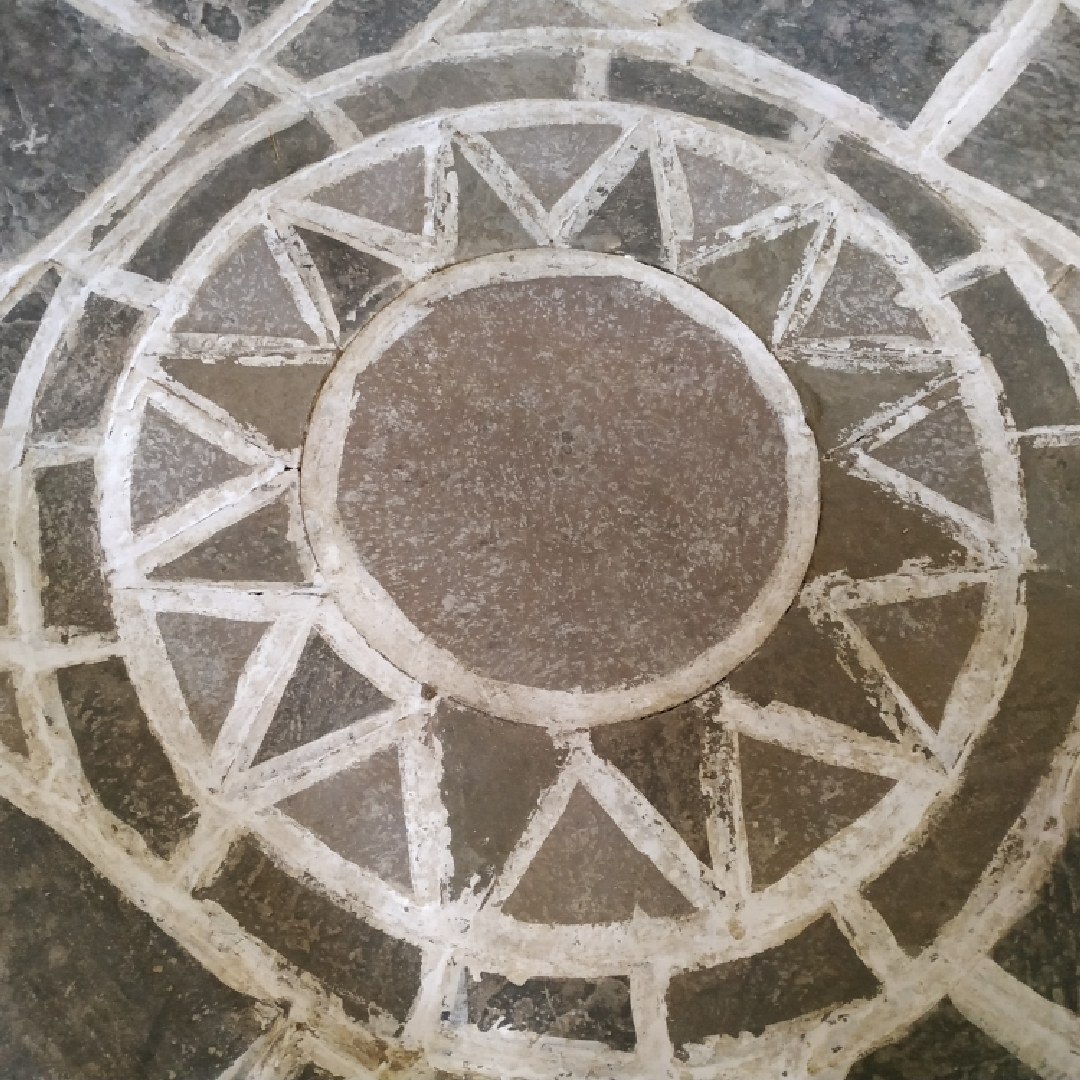
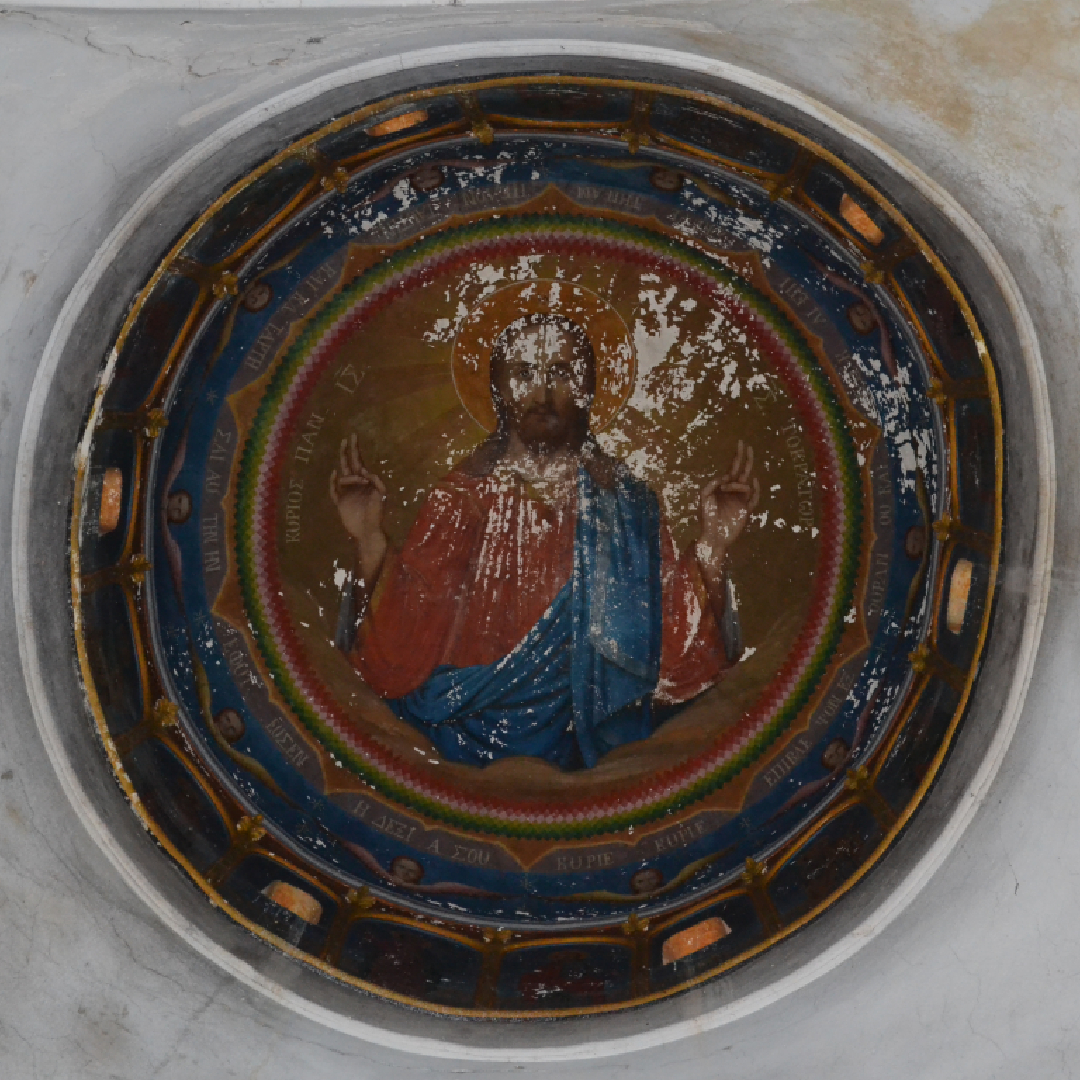
The interior is divided into two main sections: the men's hall, which serves as the principal space for religious ceremonies, and the women's hall, connected to it through a central doorway. The men's hall features high walls and a dome supported by columns, whose interior is adorned with a vividly coloured painting of Jesus Christ. At the eastern end of the main hall lies the bema, or sanctuary, where the priest conducts religious services and administers Holy Communion. In front of the sanctuary once stood the richly decorated iconostasis, with painted icons of saints arranged on either side of the central royal doors. To its right was the icon of Saint Mary of Bënjë, covered in silver by Pandeli Saqellari, which was also unfortunately stolen. Other important features preserved within the church include the baptismal font and the designated place reserved for the bishop, reflecting its historical role in the religious life of the local Orthodox community. The women's hall is smaller and consists of two levels. The ground floor is paved with stone slabs, while the upper floor, together with the staircase leading to it, is constructed of wooden boards. This arrangement represents an interesting architectural feature of the building. Throughout its history, the church has been served by several priests who played an important role in the spiritual and community life of the village. Among them was Papa Naun Saqellari, who participated in the church's inaugural service in 1891; Papa Ilia Prifti, father of Josif Prifti, known as "the Albanian"; and Papa Paskali, who served the church for fifteen years and was the father of the renowned Albanian sculptor Odise Paskali. Another notable figure was Papa Apostol Ilia, originally from Peshtan, who was executed by German Nazi forces in January 1944.
Like many other religious buildings in Albania, the Church of Saint Mary was closed in 1967 during the communist regime's campaign against religious institutions. Following the fall of communism and the restoration of religious freedom, the church reopened in July 1991. Today, the Church of Saint Mary of Bënjë stands as an important monument of religious architecture and local heritage, preserving the memory of generations of believers, craftsmen and priests who contributed to the cultural and spiritual identity of the community.
Photos