Culture· Gjirokastër
Skënduli House
Skënduli House is one of the oldest and most remarkable traditional houses in Gjirokastra, dating back to 1780.
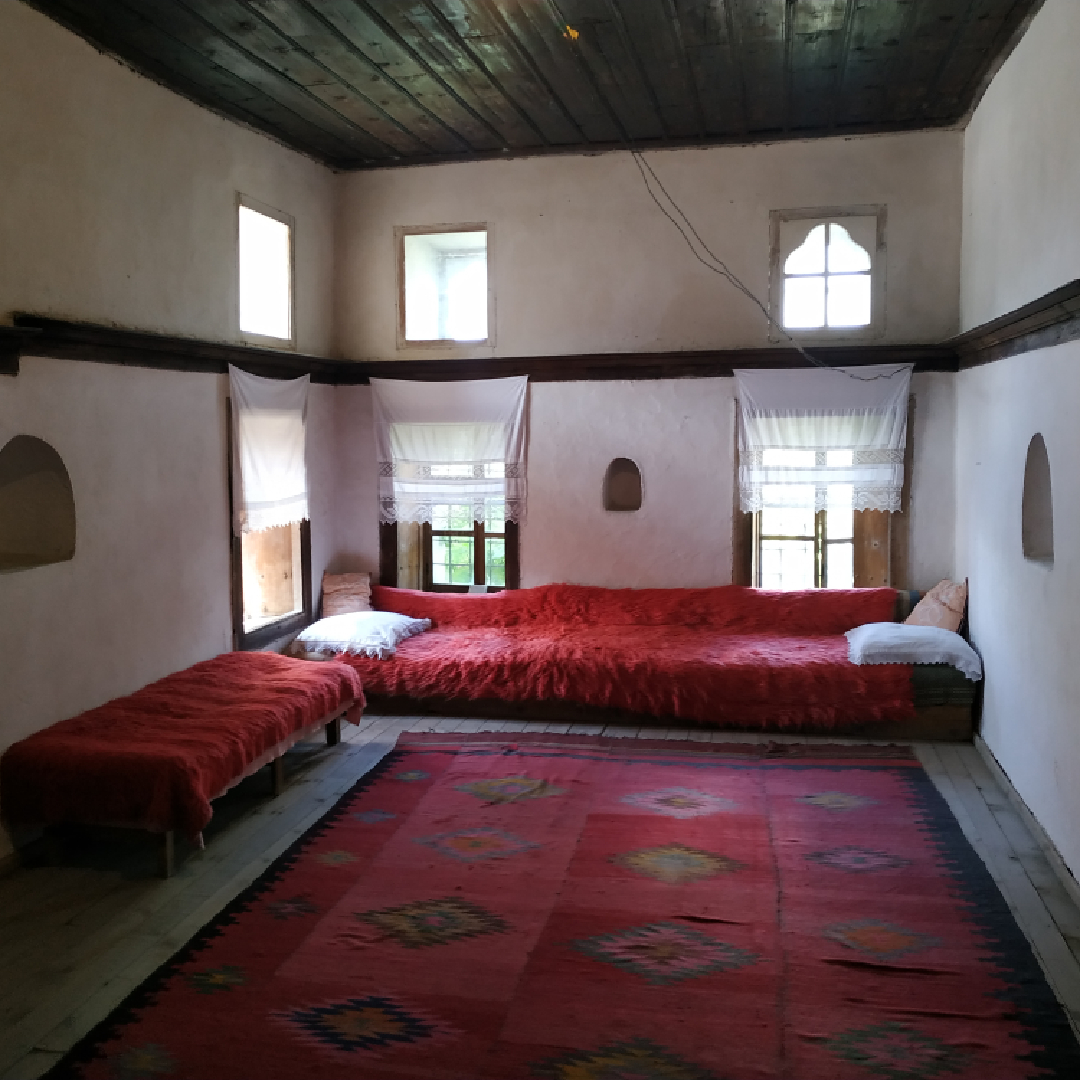
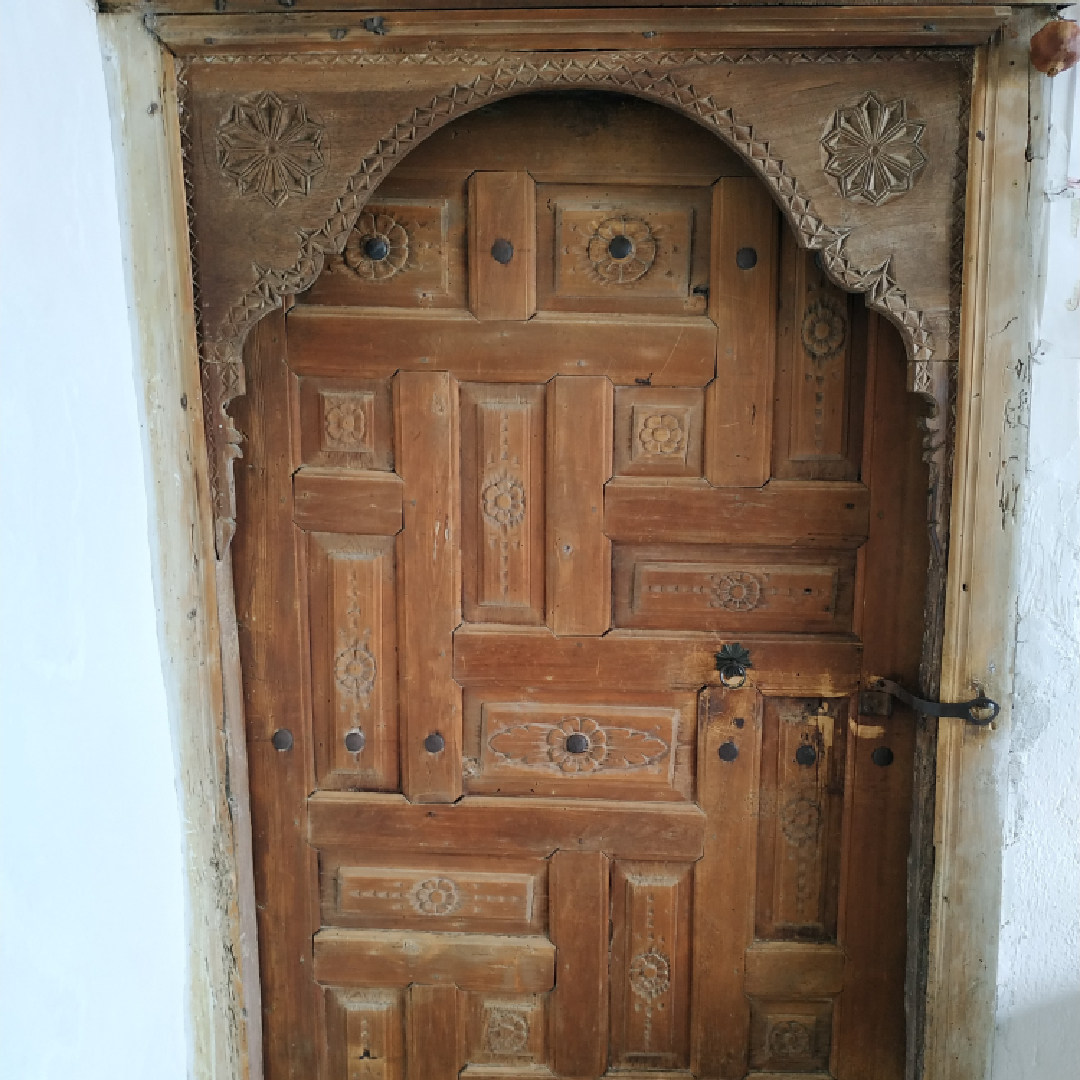
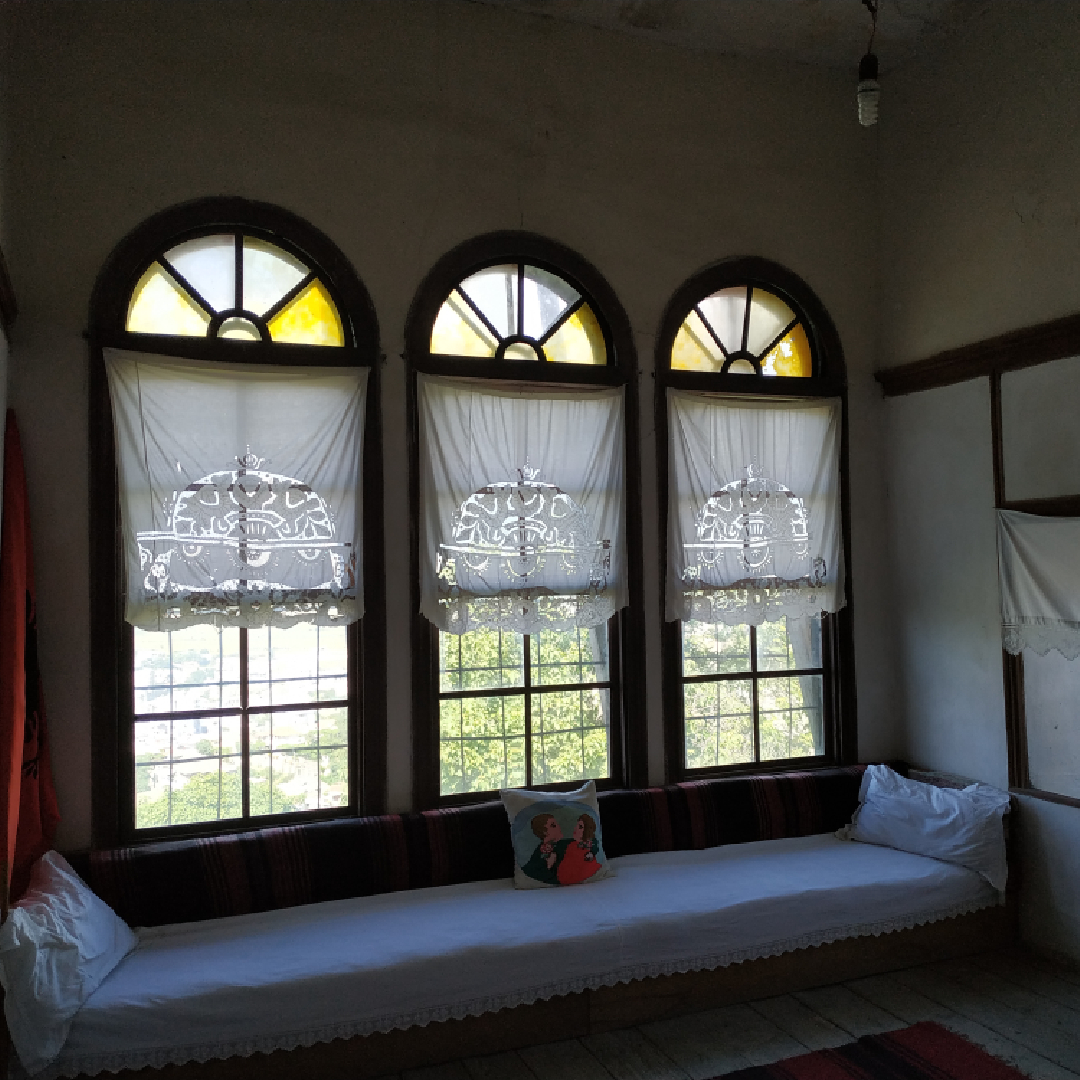
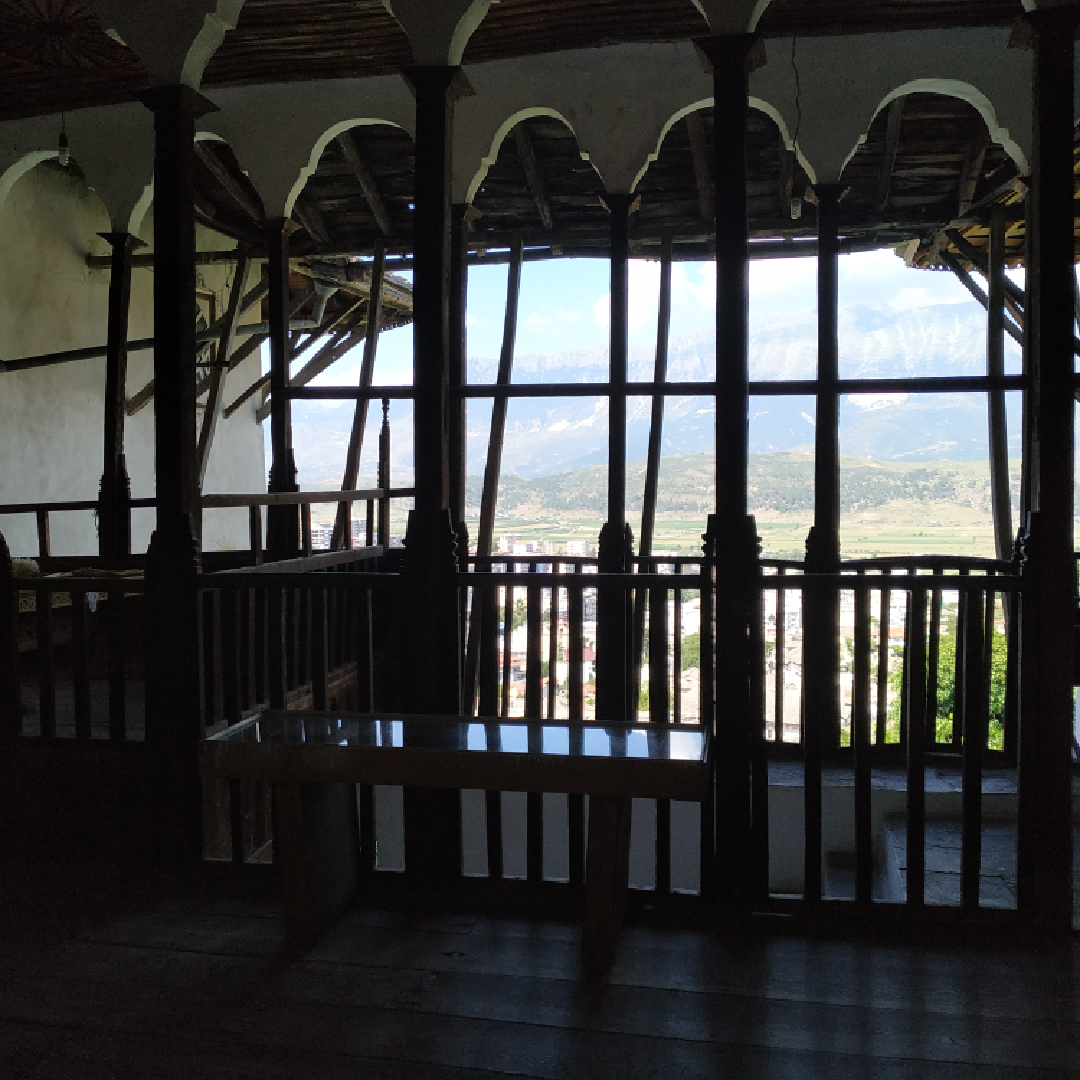
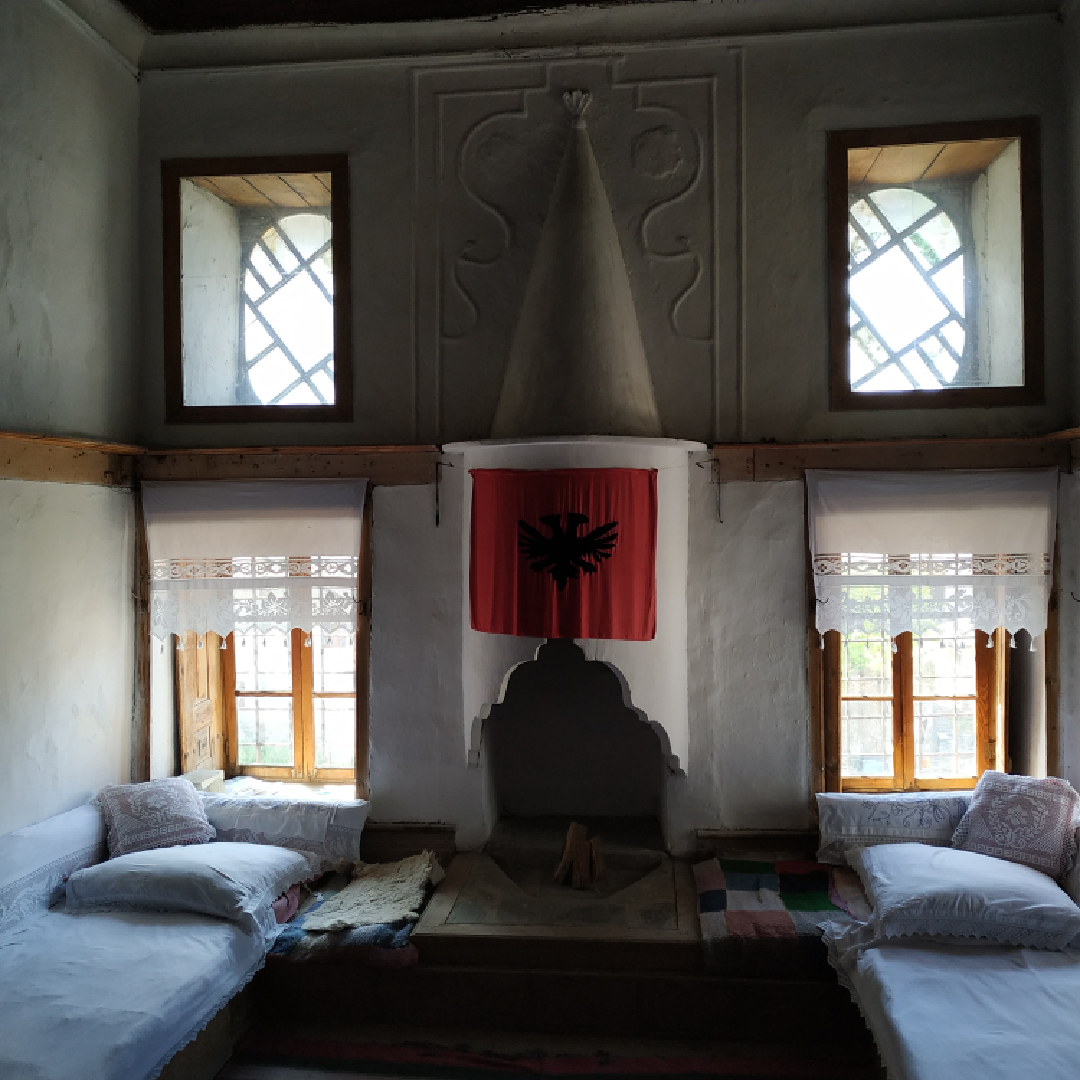
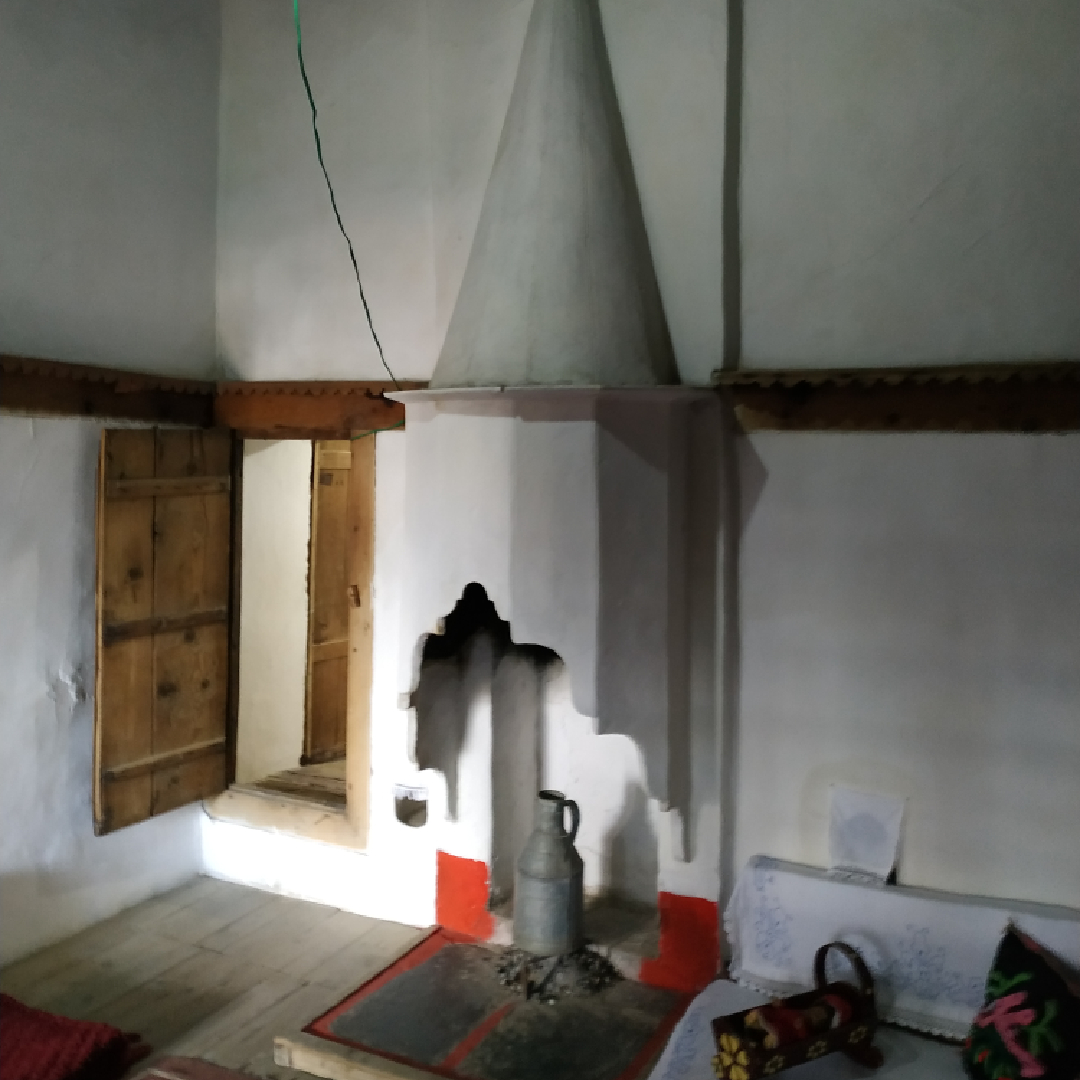
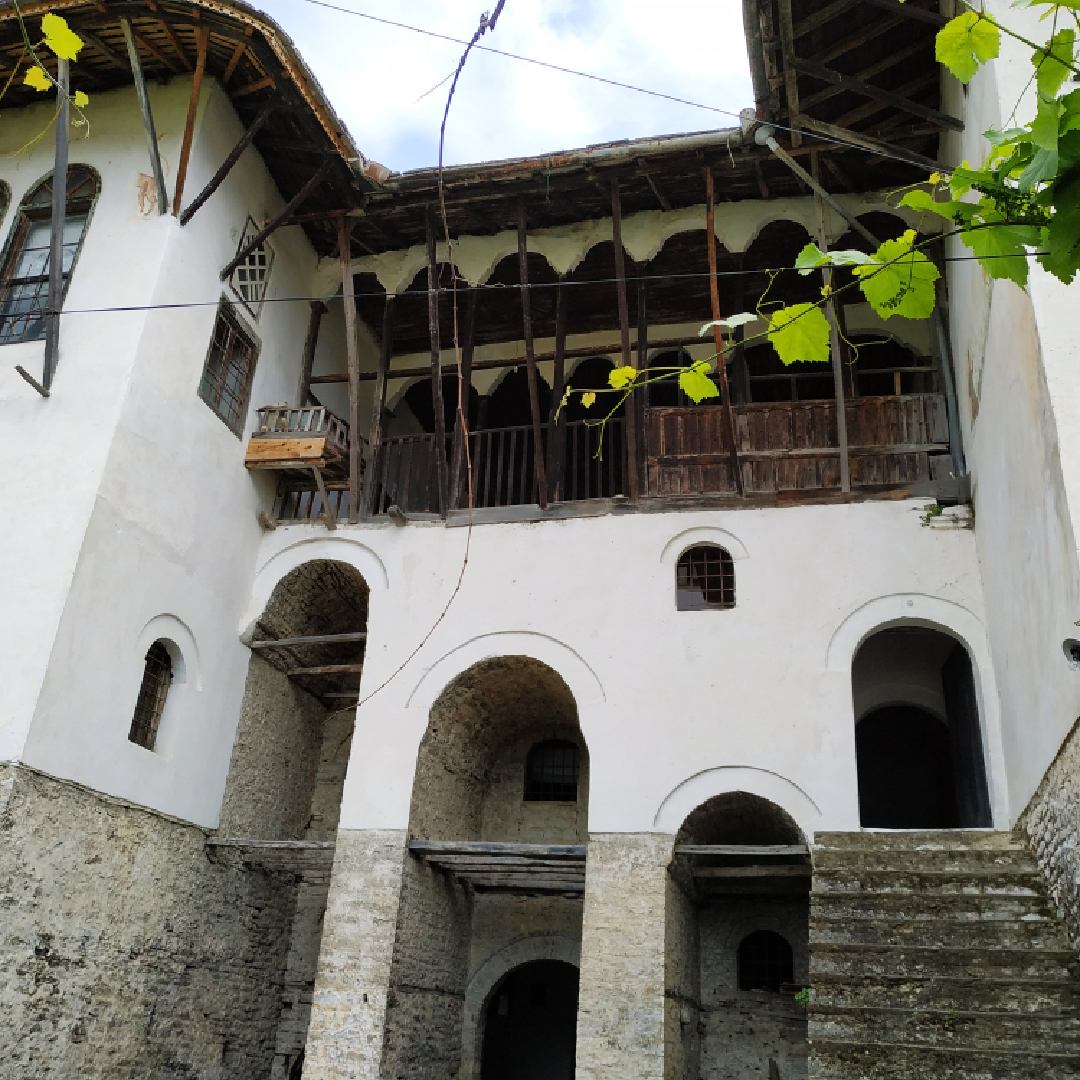
Skënduli House is one of the oldest and most remarkable traditional houses in Gjirokastra, dating back to 1780. This three-storey residence is an outstanding example of traditional Albanian-Ottoman architecture, reflecting the lifestyle, social structure and craftsmanship of wealthy families in the region. The house is distinguished by its beautifully decorated façade, featuring traditional frescoes, as well as its impressive dimensions: 64 windows, 44 doors and nine fireplaces, indicating the wealth and high social status of the family that once lived there. It has two separate entrances: one traditionally used for people and the main household entrance, and another for bringing animals and agricultural goods from the family's lands. The house also includes a defensive bunker, reflecting the importance of security in traditional residential architecture. Among its practical features are the fërngjij (traditional storage and heating facilities) and a large underground water cistern, where rainwater was collected from the roof and stored for household use. Three generations of the same family lived together under one roof, following the traditional extended-family structure. Special attention was given to hospitality, with the most beautifully decorated rooms reserved for welcoming and accommodating guests.
One of the most impressive spaces in the house is the Bride's Room, the most elaborately decorated room in the residence. Its ornamentation features the pomegranate flower, a traditional symbol of prosperity, abundance and fertility. This room played an important role in wedding ceremonies. According to local tradition, the bride would enter the room and remain there for approximately one hour before joining the other women in the neighbouring room.
During the wedding celebrations, men also gathered in this room. The difference in floor levels is traditionally interpreted as symbolising the distinction in social standing and the hierarchy of the people attending the ceremony. Today, Skënduli House offers visitors a fascinating insight into the domestic life, family traditions, architecture and hospitality of Gjirokastra's wealthy households during the 18th and 19th centuries. It stands as a valuable example of the city's rich architectural and cultural heritage.
Photos