Culture· Libohovë
Nivan Bridge
Nivan Bridge is a Category I Cultural Monument located in the village of Nivan, in the Zagoria region of southern Albania.
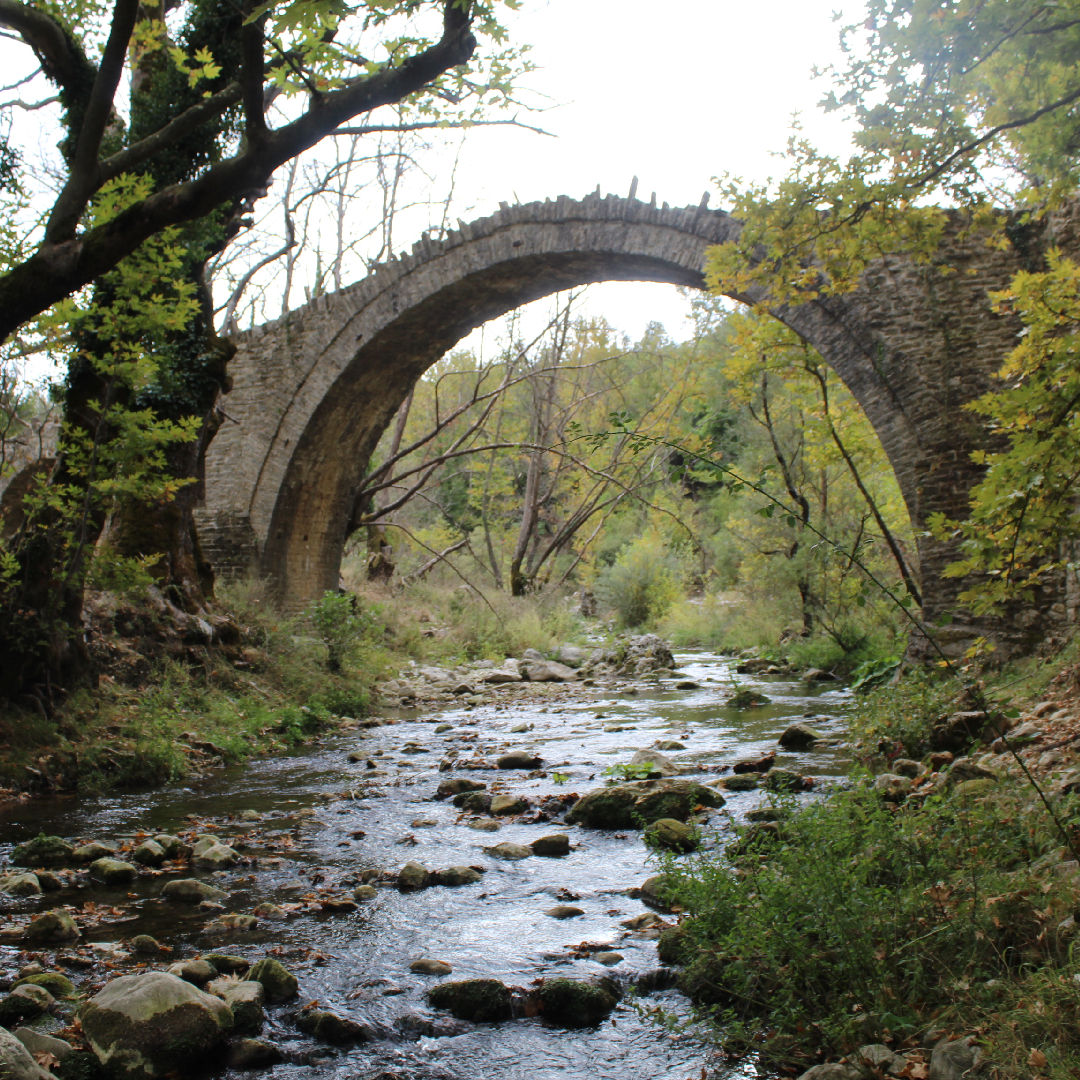
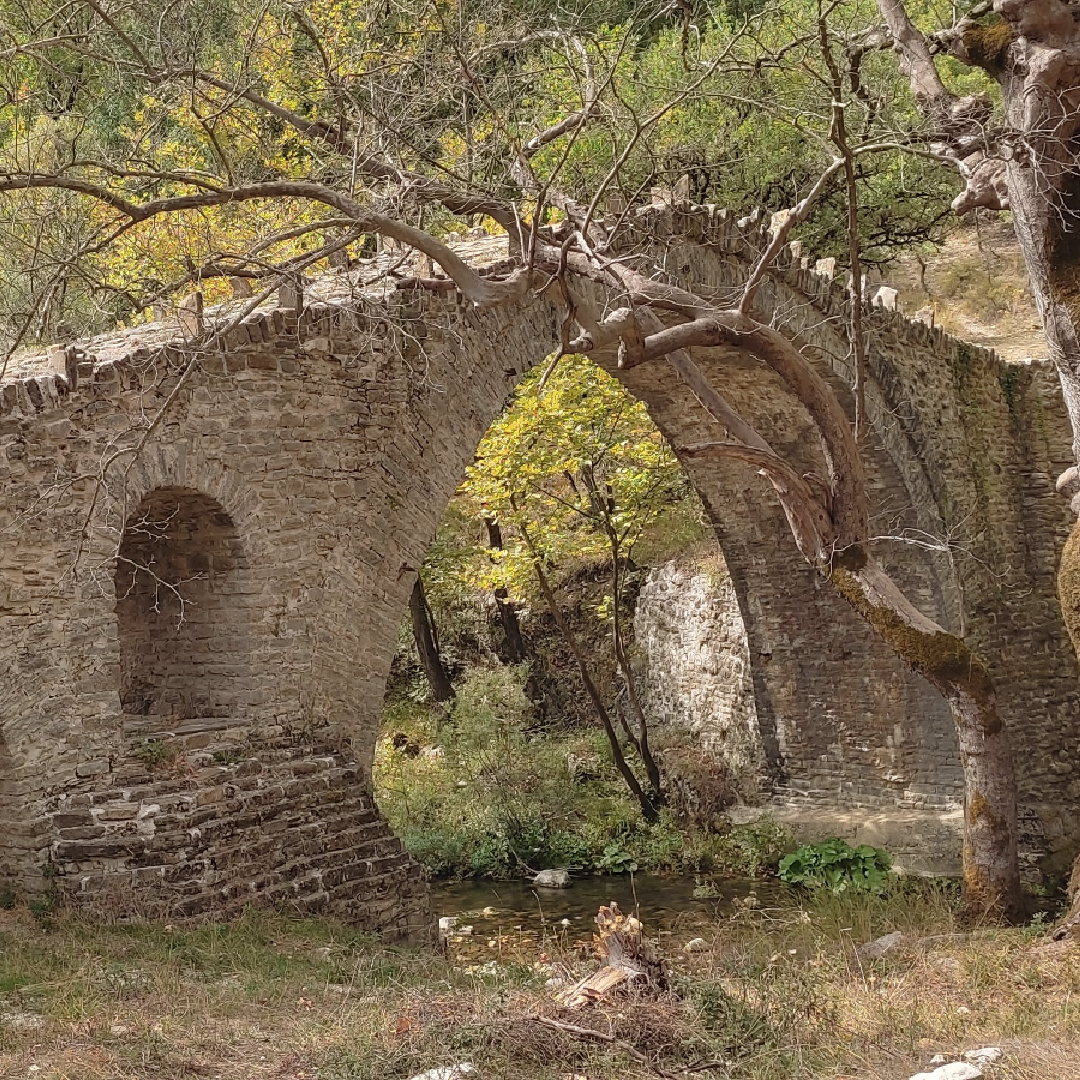
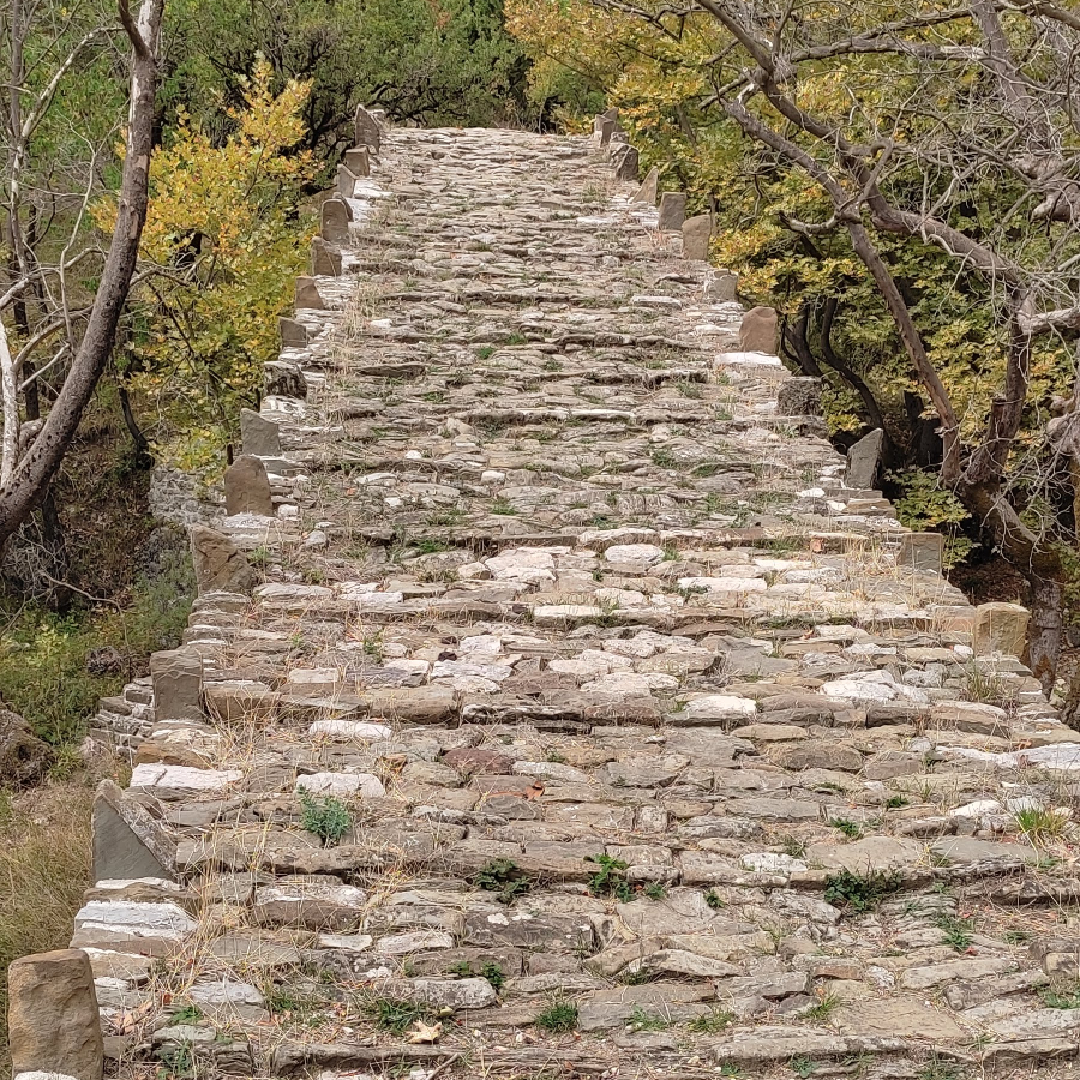
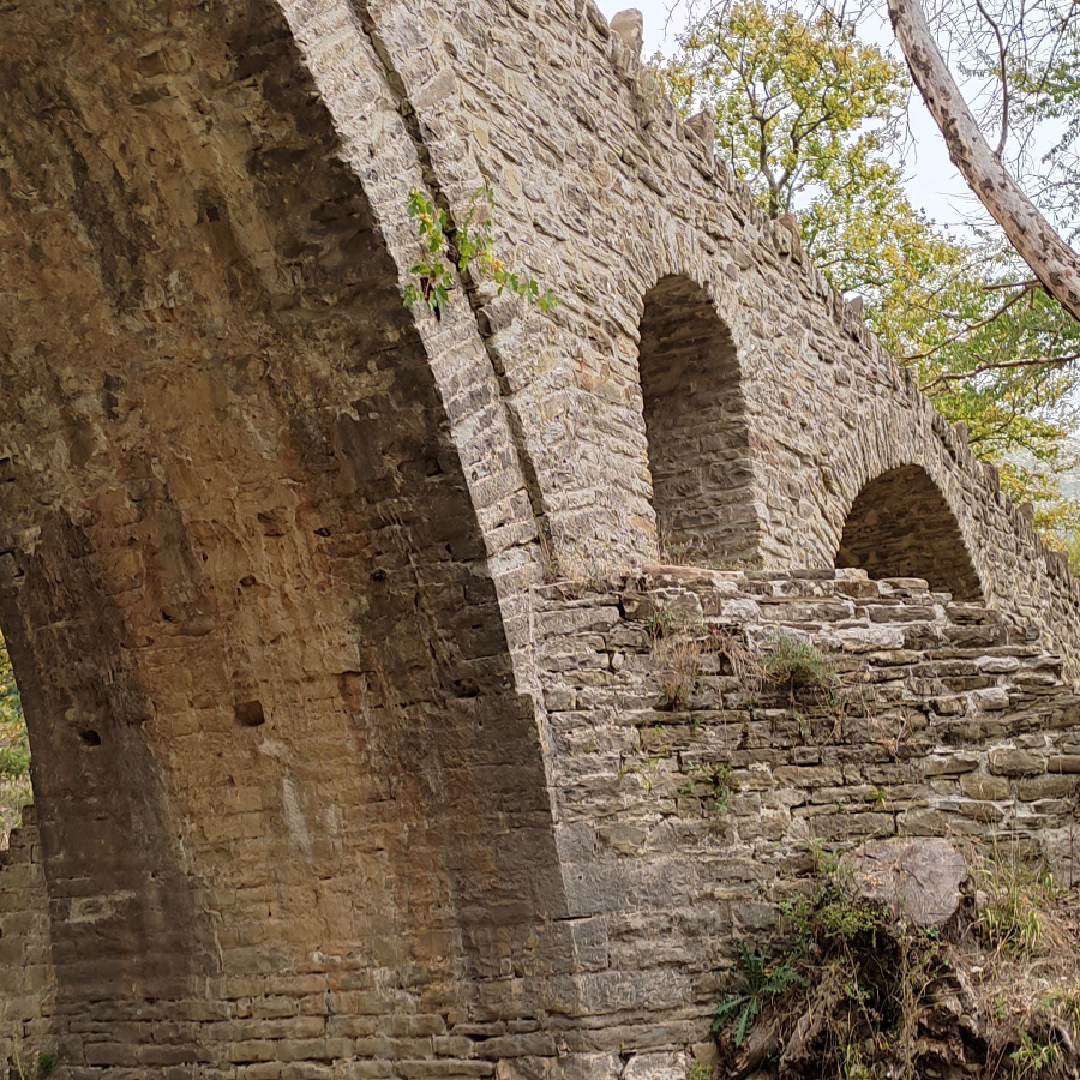
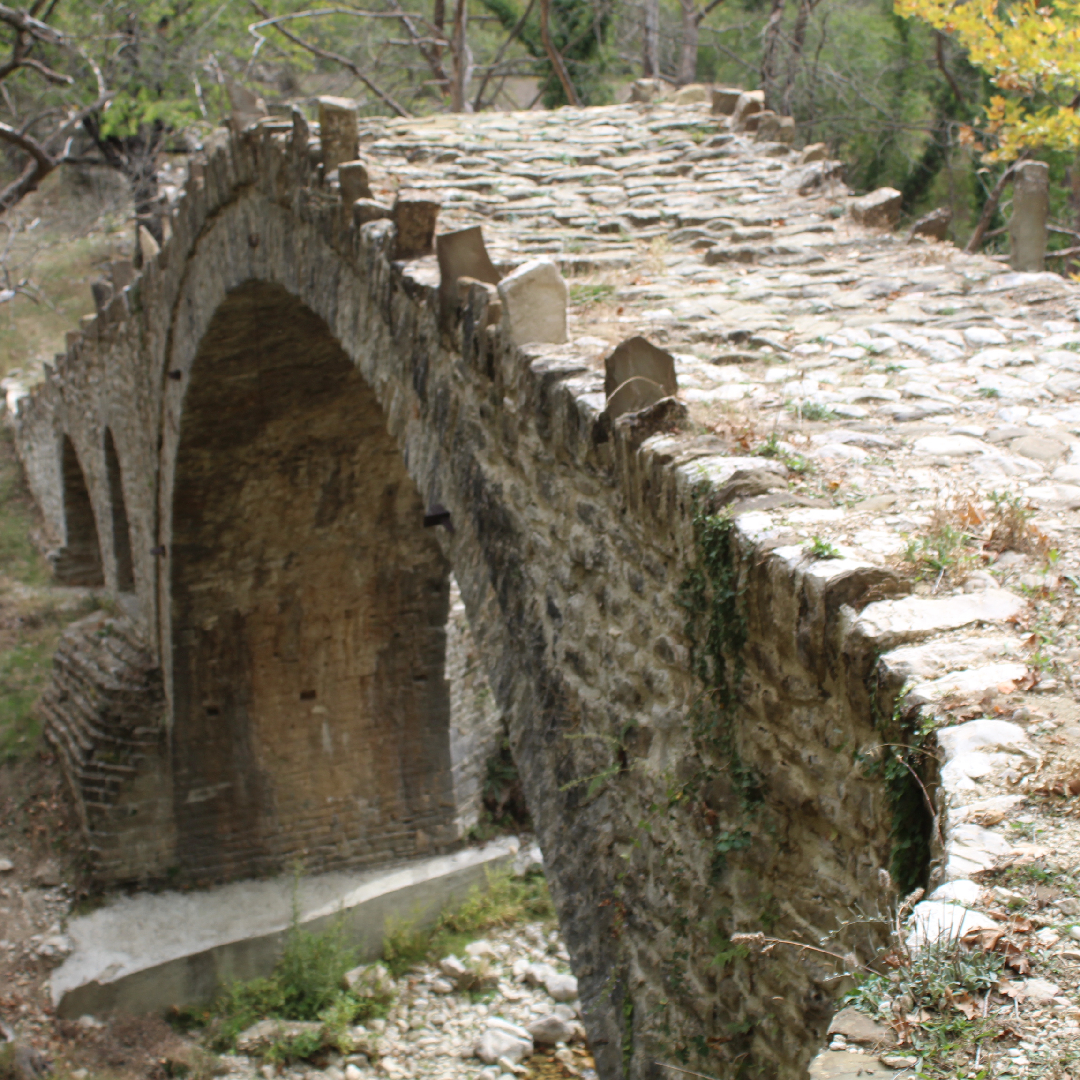
Nivan Bridge is a Category I Cultural Monument located in the village of Nivan, in the Zagoria region of southern Albania. With a history spanning more than 200 years, the bridge is traditionally attributed to Ali Pashë Tepelena and was constructed over the Zagoria River. It represents an outstanding example of traditional stone bridge architecture and the engineering skills of the period. The bridge is a complex stone structure consisting of two arches, with an overall length of approximately 40 metres and a passageway paved with cobblestones. Its main arch, with a span of 13.4 metres, is built using a double-arch system measuring 1.12 metres in thickness, supported by an inclined structure approximately 3.5 metres above the water level. One of its most distinctive architectural features is its steeply rising profile, forming a high ridge above the main arch, a design characteristic commonly found in historic stone bridges.
At the beginning of the 19th century, Nivan Bridge played a vital role in connecting the regions of Gjirokastër and Përmet, serving not only as an important commercial route but also as a link between communities and religious centres. Caravans travelling from Gjirokastër crossed the bridge and continued towards Nivan Monastery, the villages of Nivan and Sheper, Qafë e Dhëmbelit, and eventually Përmet. The monastery, whose construction dates back to 1777, was an important stopping point along this historic route. Beyond its practical function as a crossing for people, livestock, and commercial caravans, the bridge became an essential part of the historical road network of Zagoria. Today, Nivan Bridge stands as a remarkable example of Albania's traditional stone architecture and an important cultural attraction for visitors interested in the history, heritage, and landscapes of the Zagoria Valley.
Photos