Culture· Gjirokastër
Gjirokastra Castle
Gjirokastra Castle is one of the most important historical and cultural monuments in Albania. Situated on a commanding hilltop overlooking the city, it offers panoramic views of the Drino Valley and the surrounding landscape
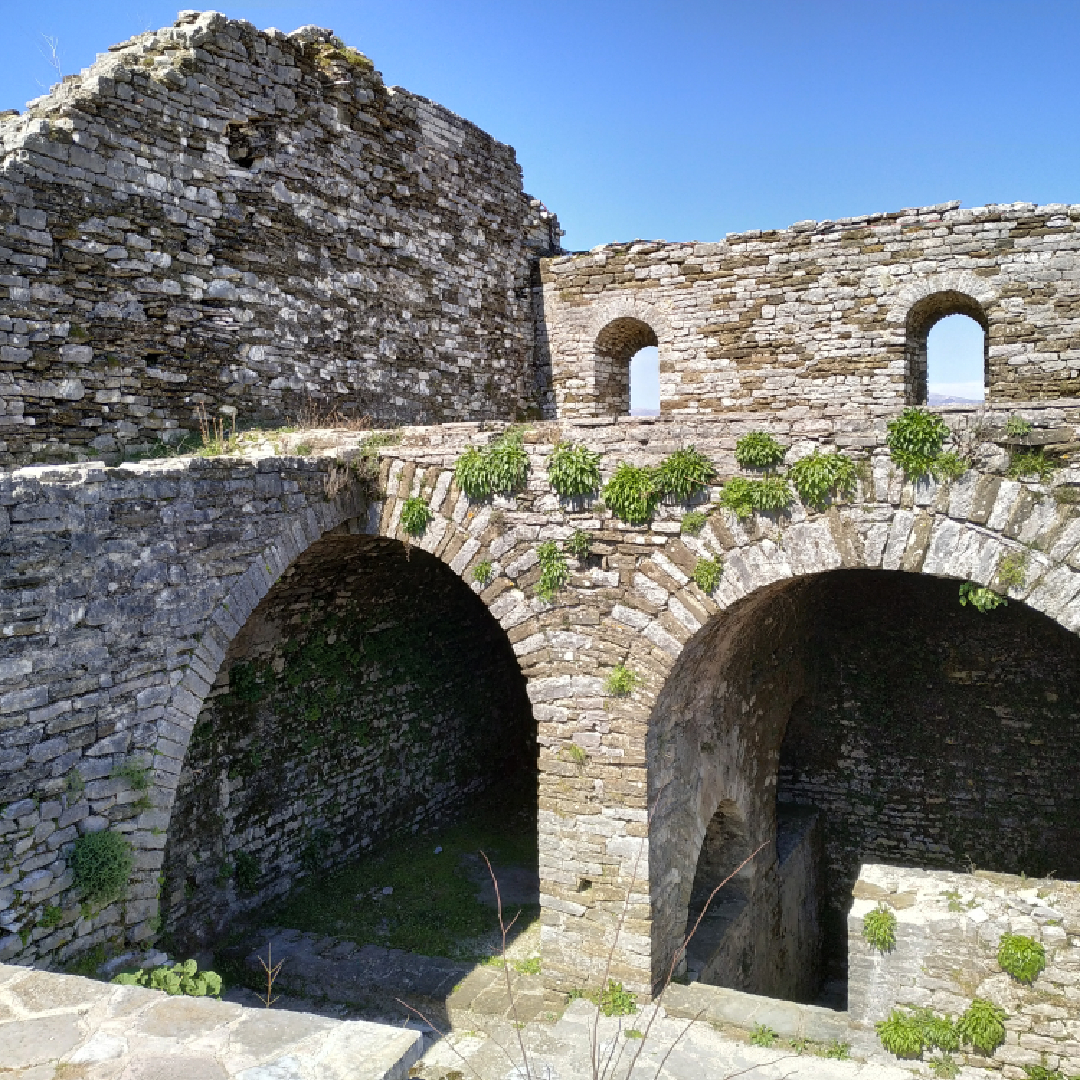
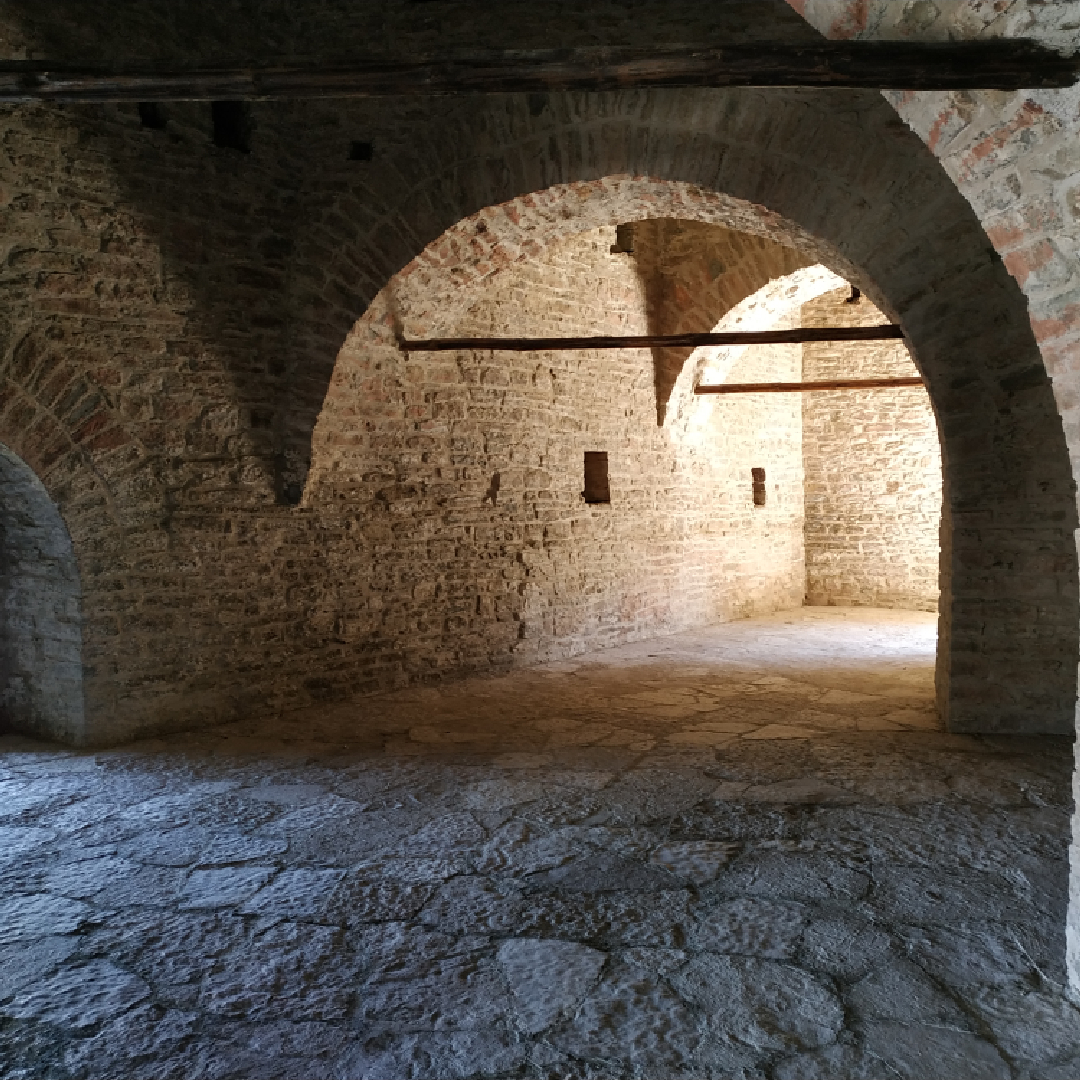
Gjirokastra Castle is one of the most important historical and cultural monuments in Albania. Situated on a commanding hilltop overlooking the city, it offers panoramic views of the Drino Valley and the surrounding landscape. The earliest traces of settlement on this hill date back to antiquity, particularly the 4th–5th centuries BC, as evidenced by archaeological discoveries, including amphorae and other ancient remains. However, due to numerous reconstructions and expansions throughout the centuries, it is difficult to determine the exact age of each individual part of the fortress. The castle underwent several phases of construction and reconstruction, with one of the most significant interventions taking place in the 18th century under Ali Pasha of Tepelena, the ruler of the Pashalik of Ioannina. He transformed it into an important strategic military stronghold. Within the castle complex are several spaces with different historical functions, including the Pasha's Divan, an area associated with the life and administration of Ali Pasha's court.
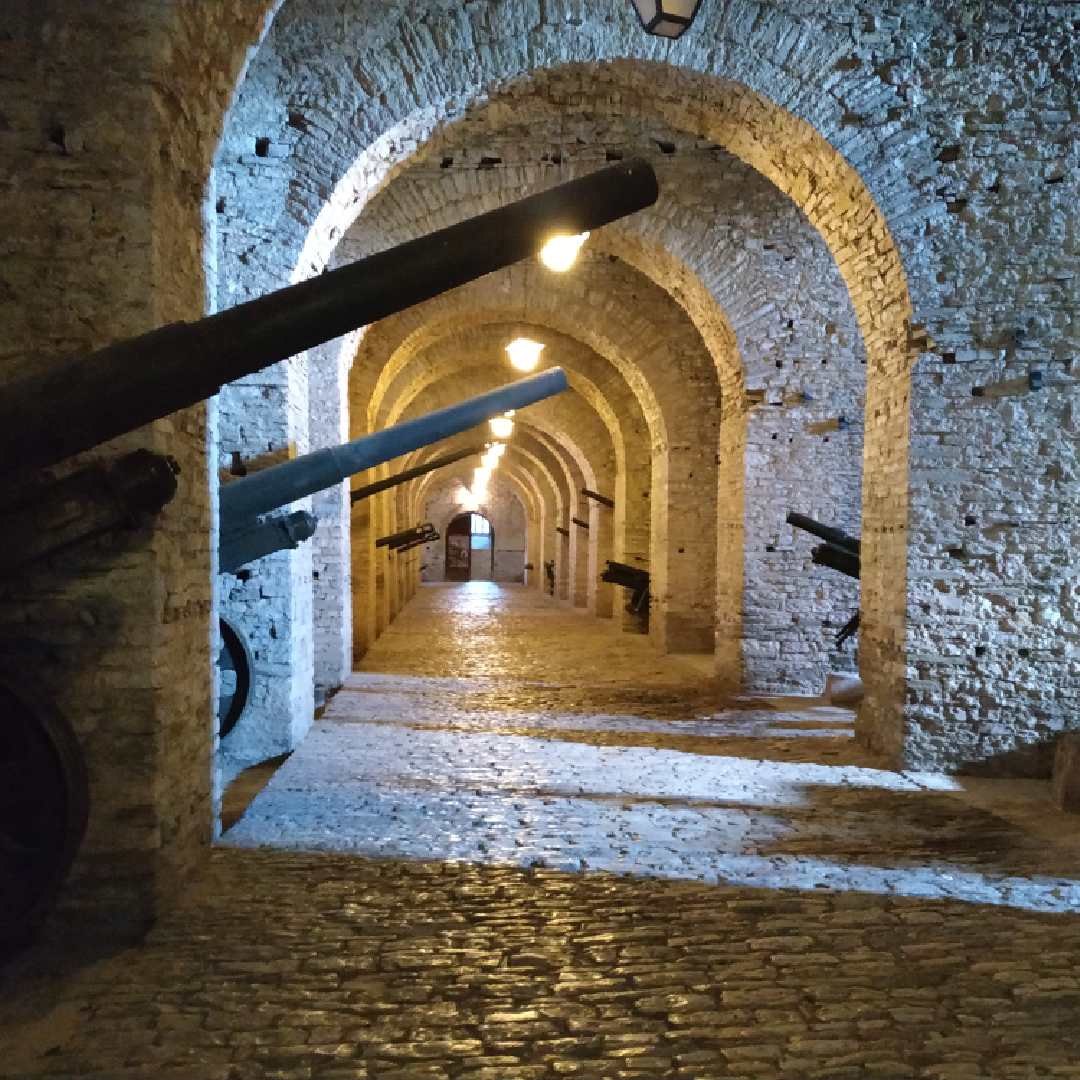
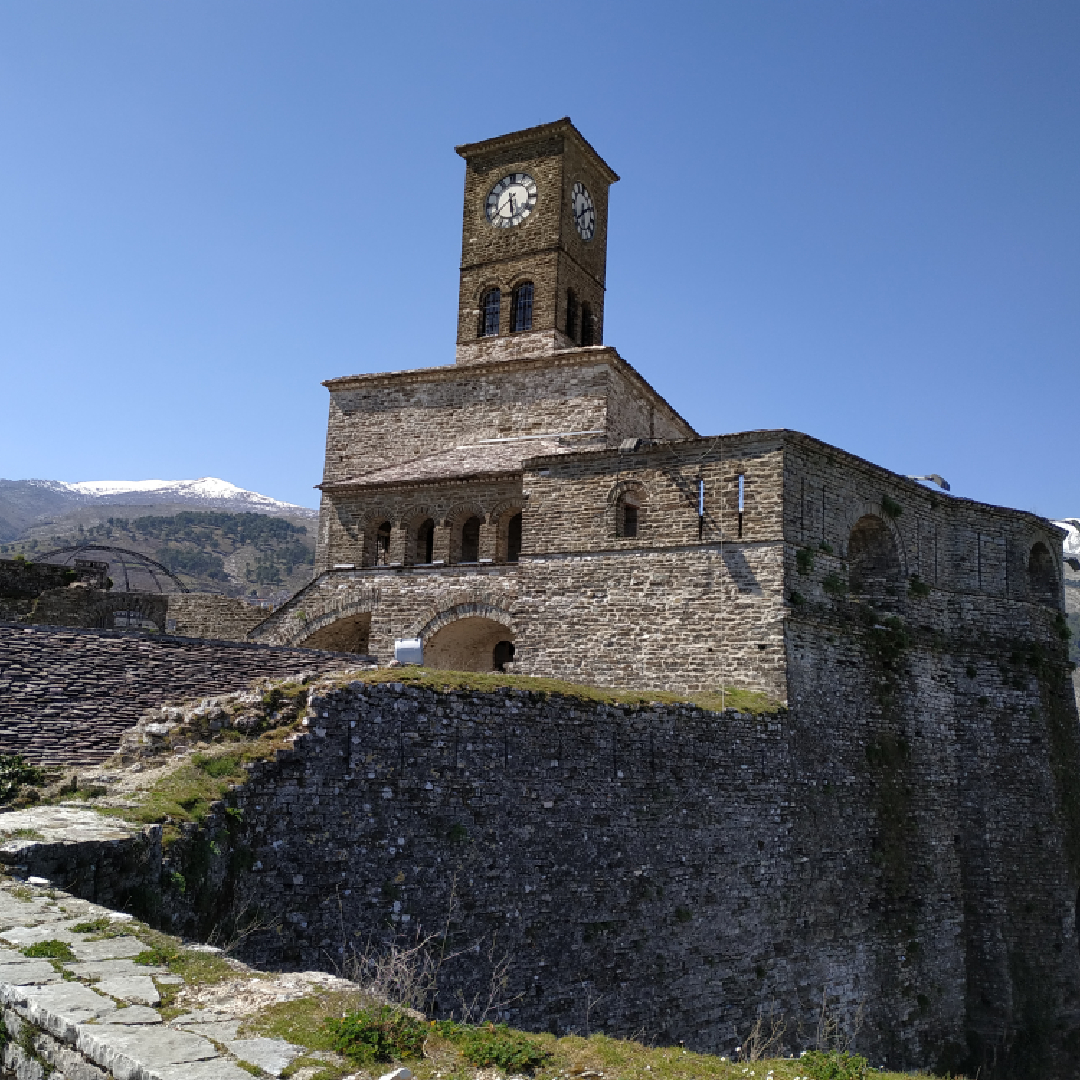
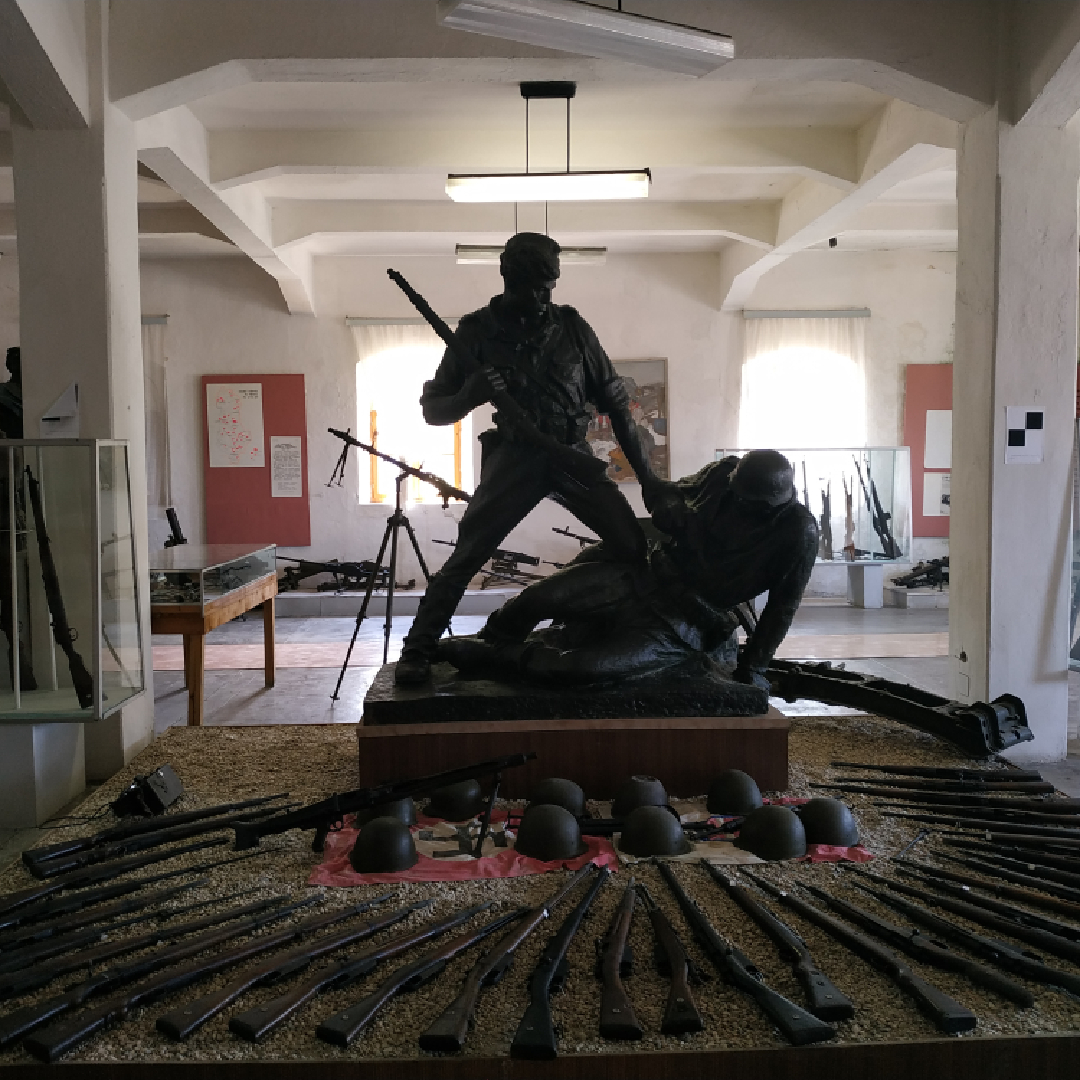
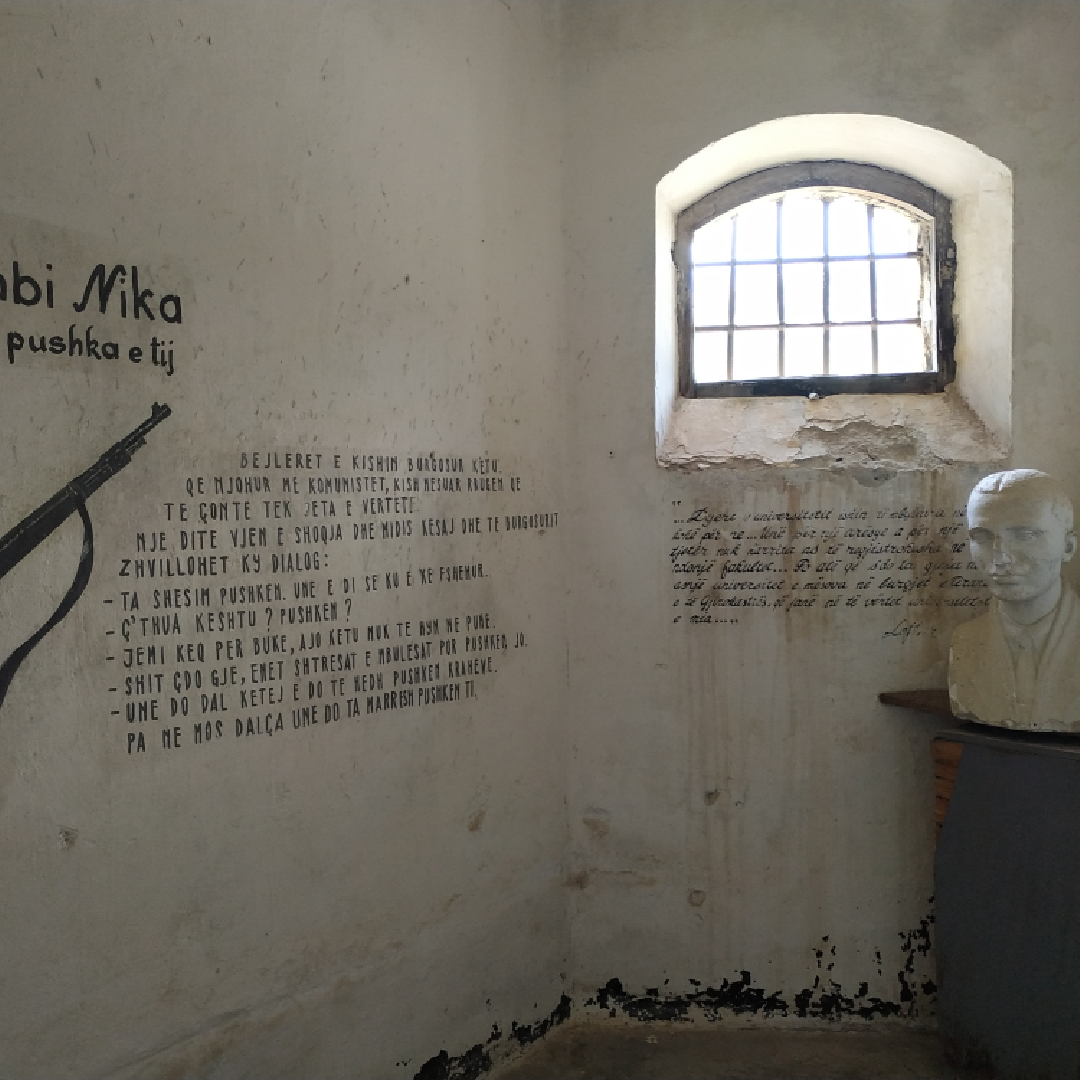
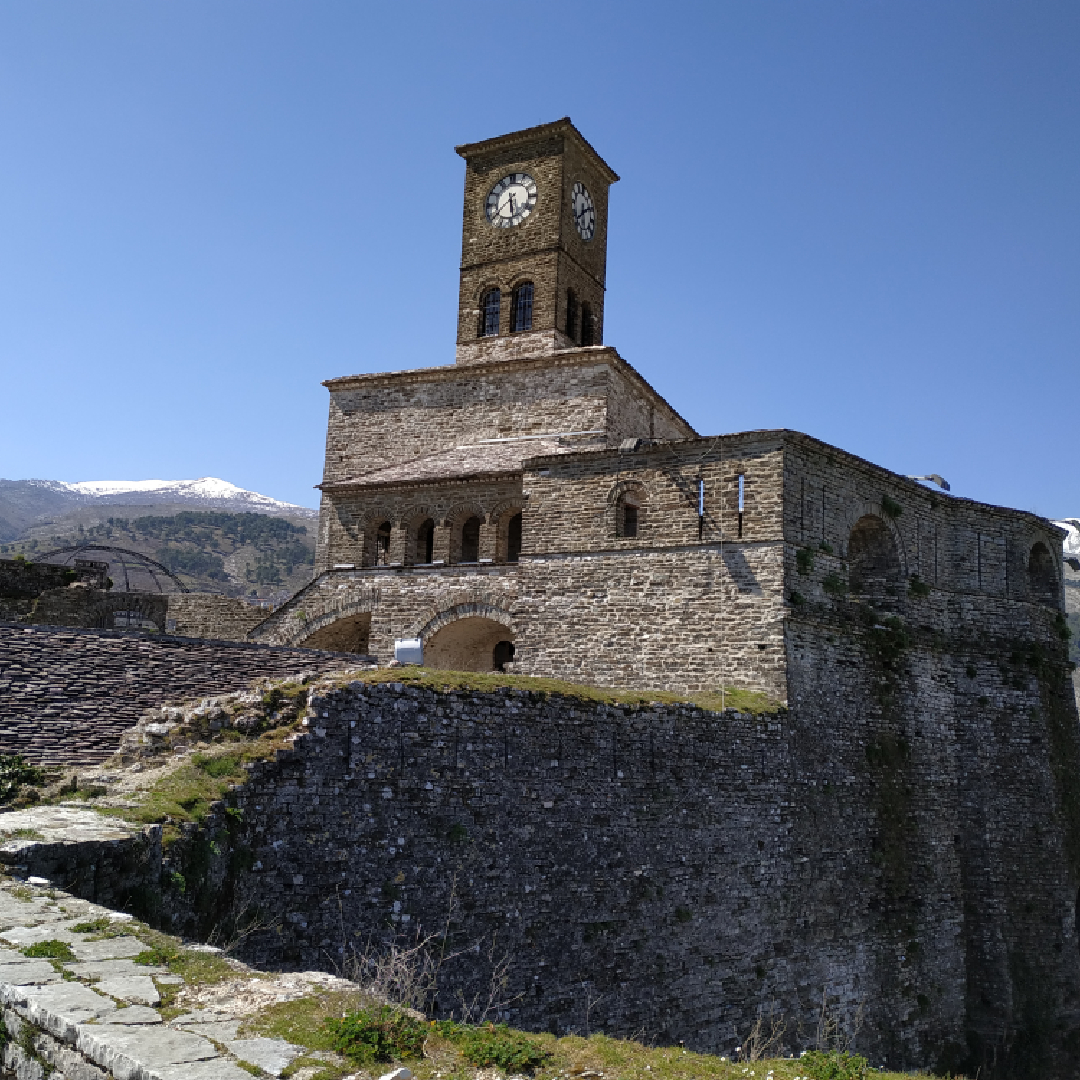
Another notable feature is the Clock Tower, which reflects the architectural transformations that took place during the Ottoman period. The castle also houses the stage of the National Folklore Festival, built during the communist period. Every five years, this stage becomes a meeting place for artistic groups from across the Albanian-speaking territories, presenting their traditional songs, dances, costumes and cultural heritage. A special place in this tradition is held by Albanian Iso-Polyphony, which was proclaimed by UNESCO in 2005 as a Masterpiece of the Oral and Intangible Heritage of Humanity. Near the entrance is the Gjin Zenebishi Art Gallery, alongside an exhibition of artillery pieces used during the Second World War. The castle complex also contains the National Museum of Weapons, displaying weapons from different historical periods, as well as the former prison facilities, constructed in 1931 during the reign of King Ahmet Zog. Other attractions include an American military aircraft displayed within the castle grounds, an Italian tank and the monument dedicated to the partisan fighter, created by the renowned Albanian sculptor Odhise Paskali, originally from Përmet.
Beyond its military and historical importance, the castle represents the original nucleus of Gjirokastra's urban development. According to historical tradition, the first settlement was concentrated within the fortress walls. As the population increased, the city gradually expanded towards the lower neighbourhoods, where the Old Bazaar also developed. Gjirokastra's architecture reflects a distinctive combination of Ottoman influences and traditional Albanian building techniques. This can be seen in its characteristic stone houses, sloping stone roofs and tower-like residential structures. These architectural features have earned Gjirokastra the name "The City of Stone." Together with its outstanding historical and cultural values, the city is inscribed on the UNESCO World Heritage List.Today, Gjirokastra Castle remains an important testimony to the city's rich past, bringing together elements of ancient, medieval, Ottoman and modern Albanian history within a single remarkable monument.
Photos