Culture· Përmet
Frashër Bektashi Tekke
The Frashër Tekke is located near the village of Frashër, in the Dangëlli region.
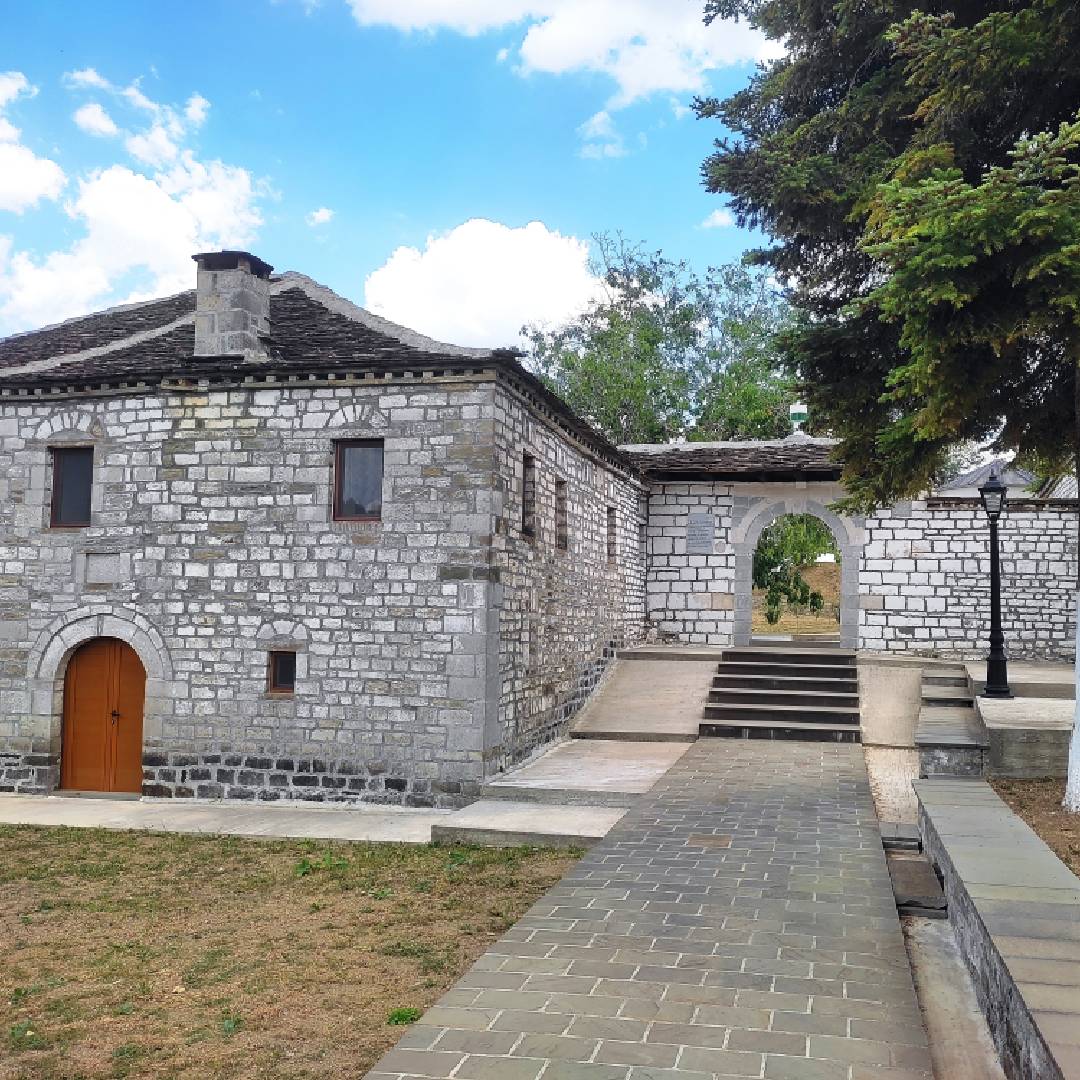
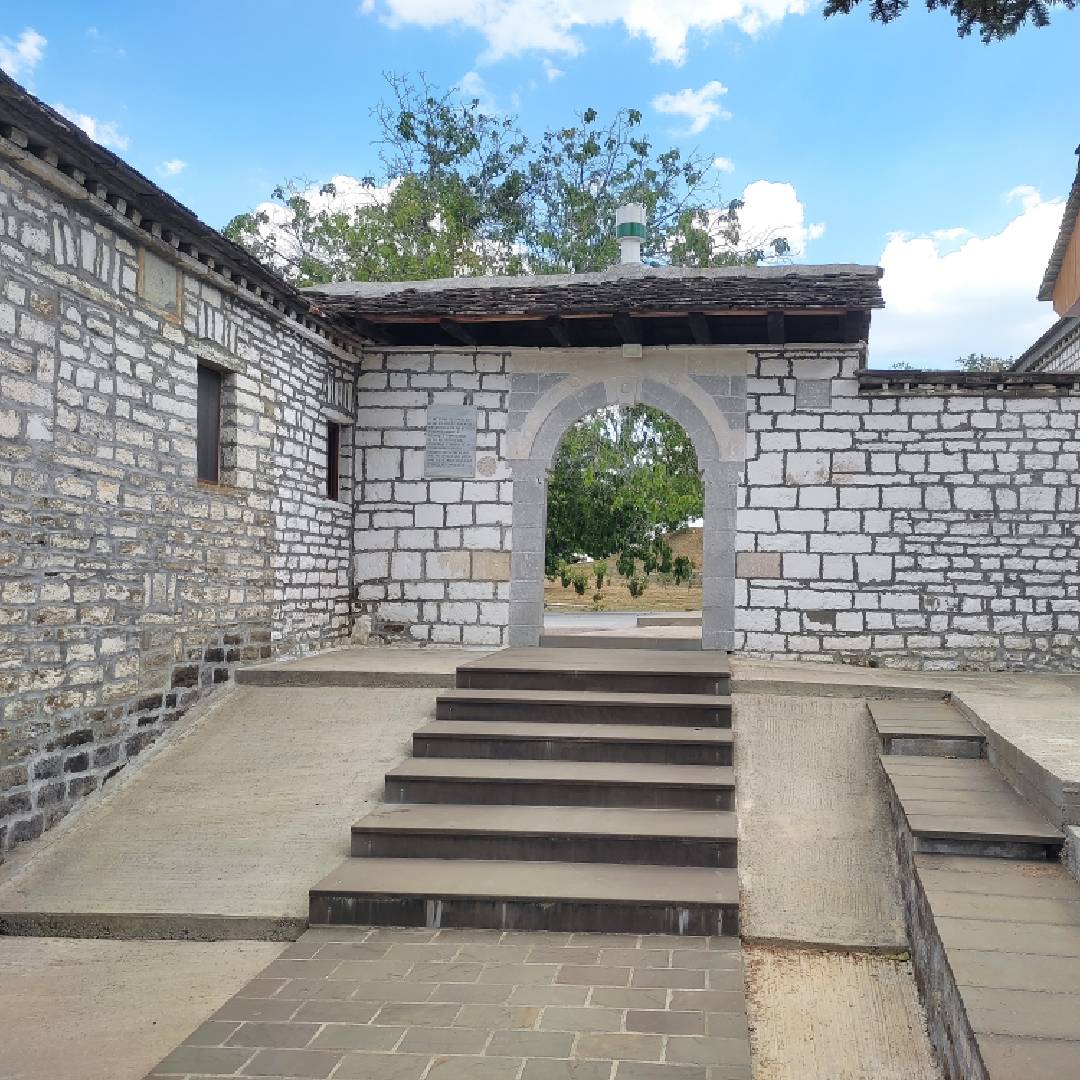
The Frashër Tekke is located near the village of Frashër, in the Dangëlli region. It was founded in 1815, a date engraved on the stone above its entrance gate. According to Professor Kristo Frashëri, its founder was Tahir Skënderasi, a local resident from the Skënderaj neighbourhood of Frashër. Numerous legends associated with its founder have been preserved through the oral traditions of the Dangëlli region. Sami Frashëri referred to him as “Dede”, meaning “World Grandfather” or “Supreme Bektashi Spiritual Leader”, while local people know him as “Sultan Nasibiu” or “Nasibi Sultani”. The Tekke played an important role as a centre of one of the branches of the League of Prizren. In 1879, it hosted a meeting of southern Albanian leaders (Toskëria), who gathered to protest and organise opposition to the decisions of the Congress of Berlin, which threatened the territorial integrity of Albanian lands. Baba Alushi, the head of the Tekke at the time, played a significant role in these historical events.
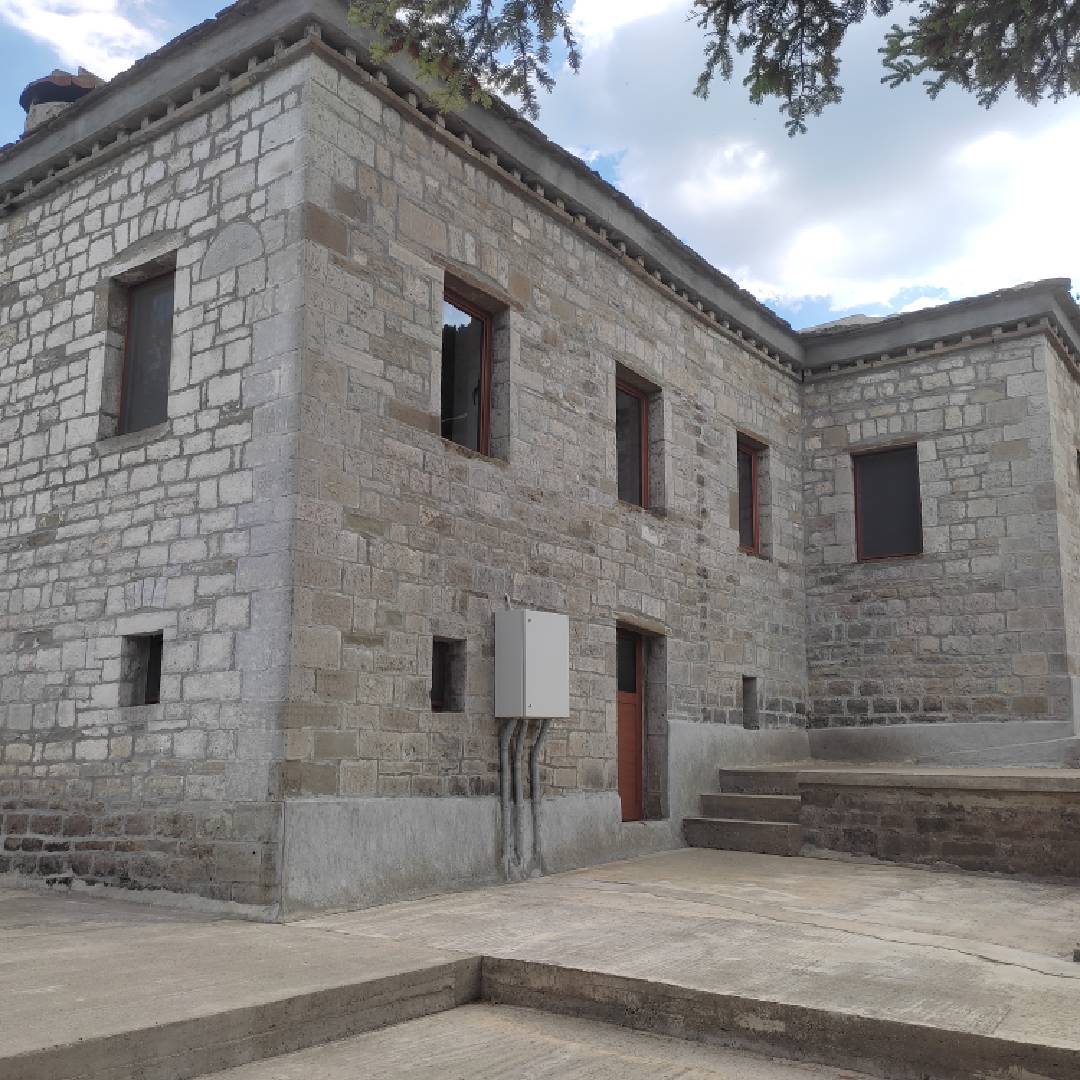
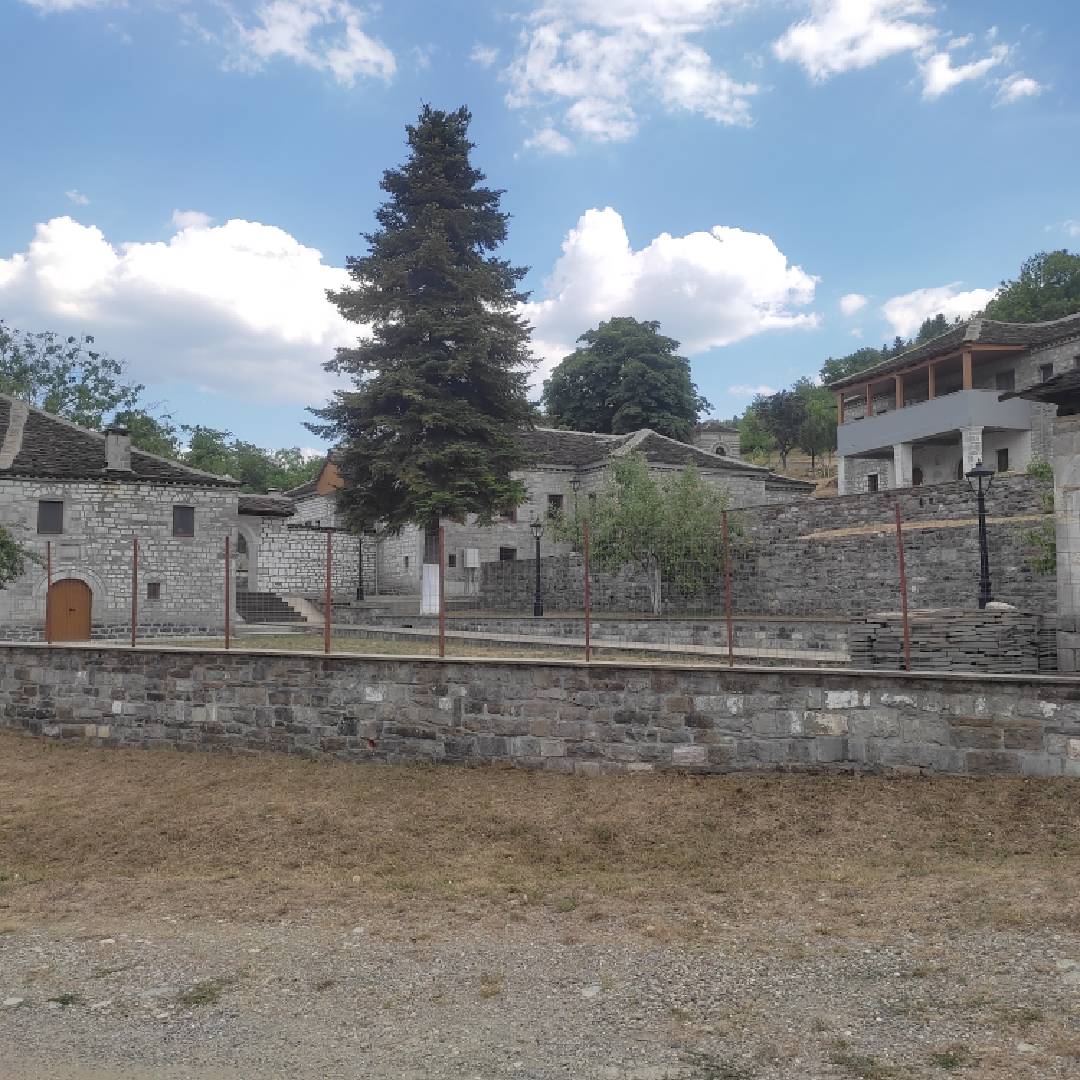
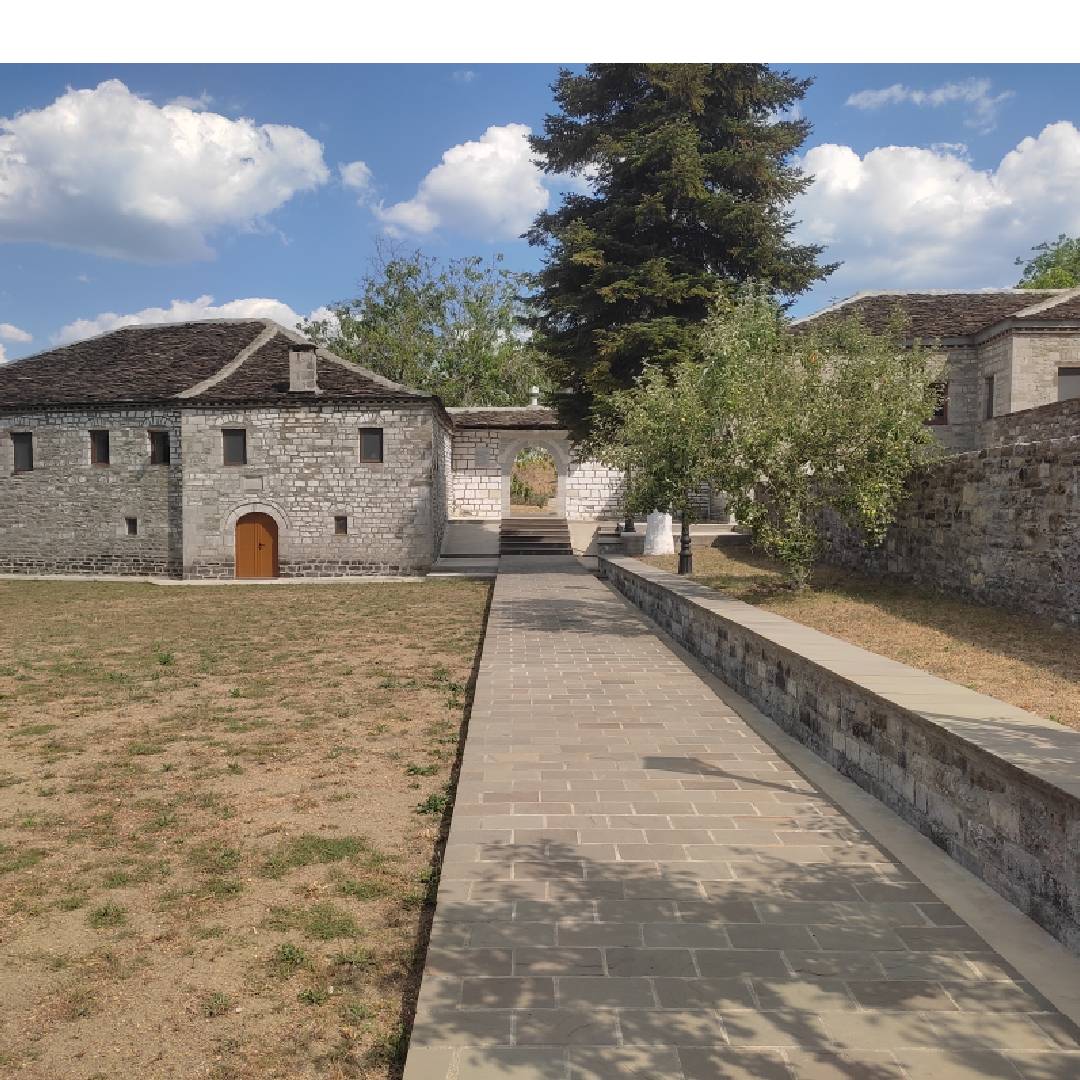
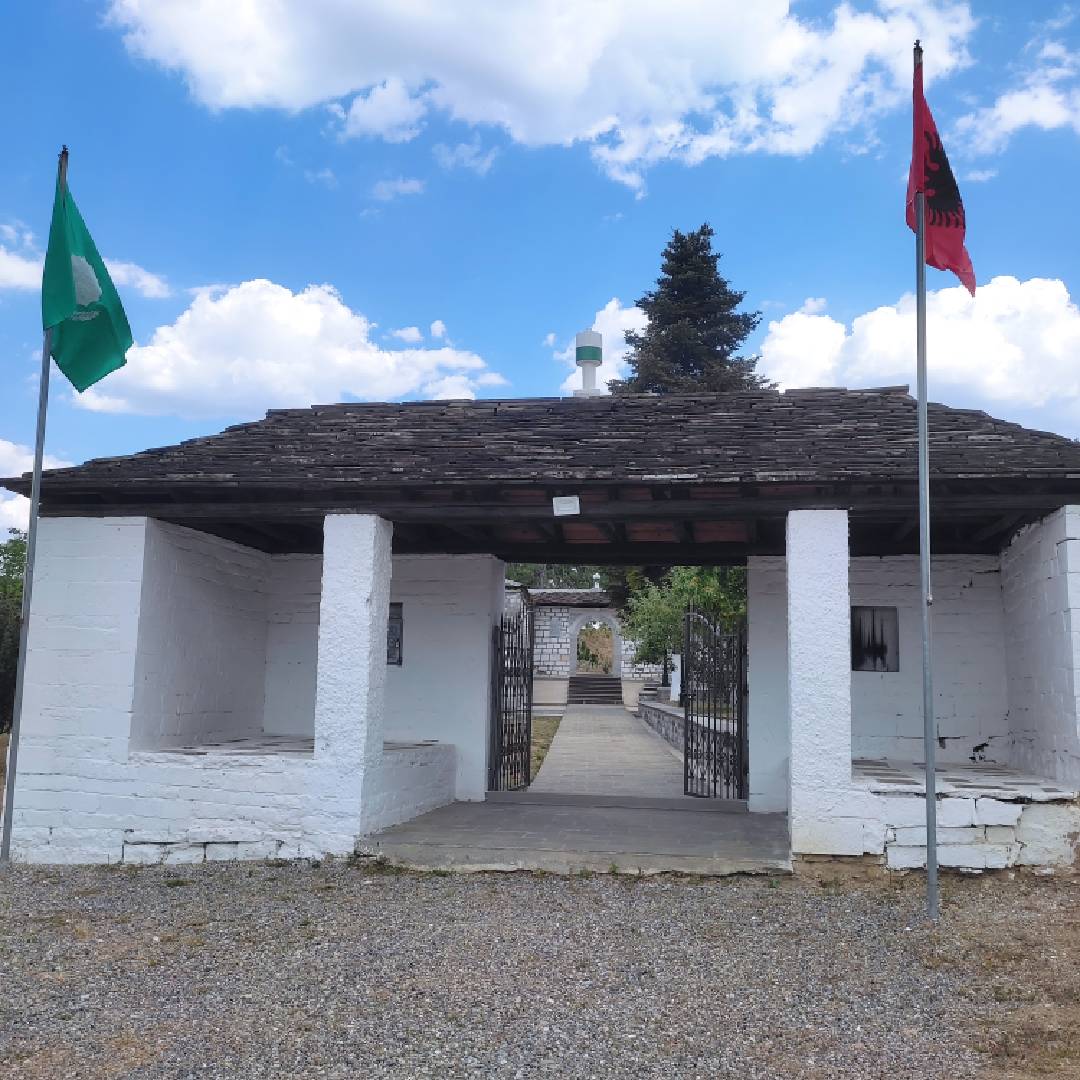
Today, the Frashër Tekke remains an important place of worship, where Bektashi believers from Dangëlli and other regions gather to perform religious ceremonies and rituals. The complex consists of two separate Bektashi buildings, distinguished by their artistic and architectural features. These include a decorated entrance portal and an outer courtyard. The portico is paved with tufa stone slabs, while the walls are constructed from carefully dressed stone and adorned with floral reliefs. The floors and ceilings are made of wood, with one of the ceilings featuring a beautifully carved rosette. The fireplaces are crafted from finely carved stone, while the windows are decorated with elegant arched patterns. The building containing the Meydan Hall (the ceremonial gathering and meeting room) is older than the second building. Together, the two structures represent an important example of Bektashi religious architecture and the historical, spiritual and cultural heritage of the Frashër region.
Photos