Culture· Përmet
Alipostivan Tekke
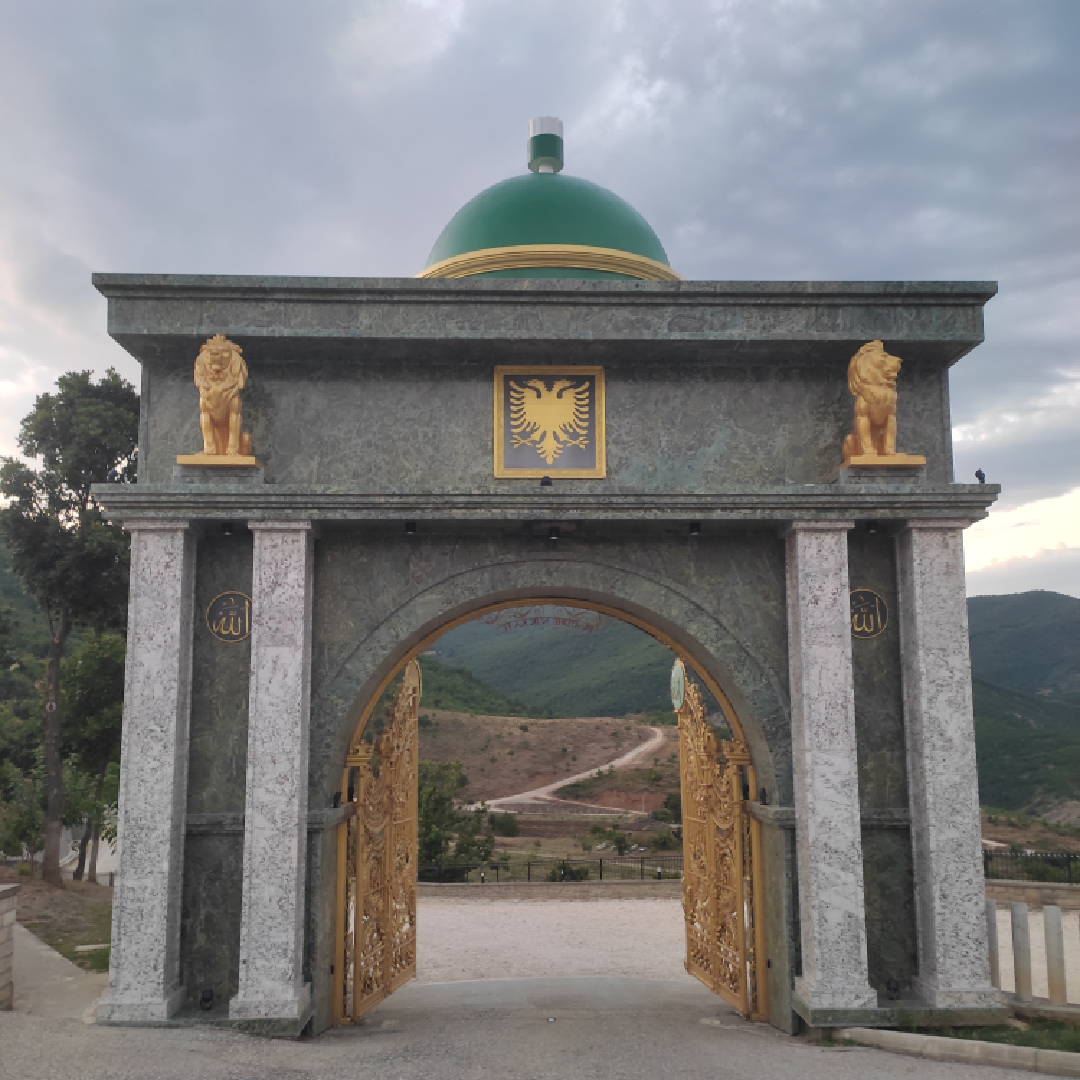
The Alipostivan Tekke is situated on an elevated and picturesque hill in the Cerie area, enjoying a dominant position that offers panoramic views over the valley of the Vjosa River.
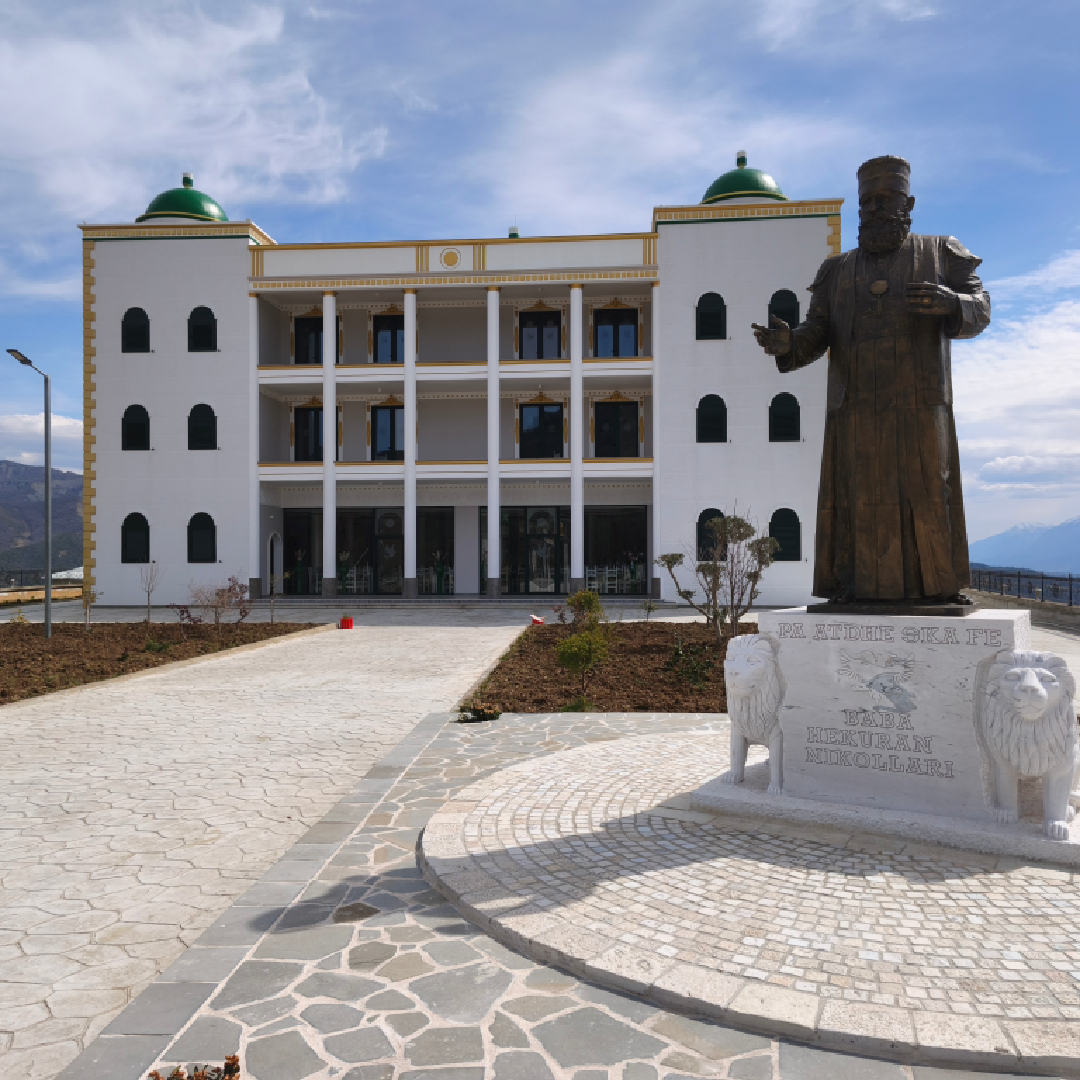
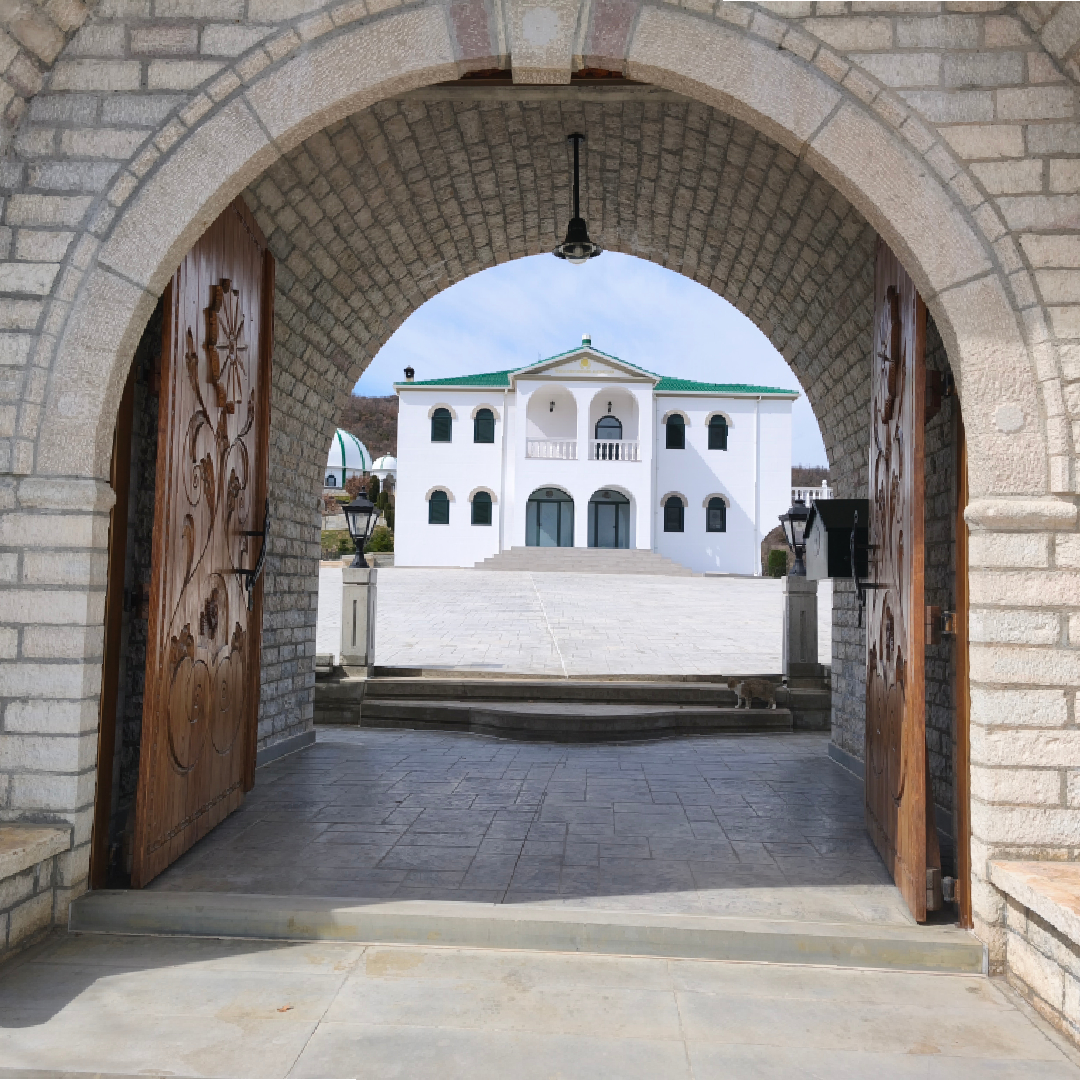
The Alipostivan Tekke is situated on an elevated and picturesque hill in the Cerie area, enjoying a dominant position that offers panoramic views over the valley of the Vjosa River. Its location, combined with its architectural and historical significance, makes it an important religious and cultural landmark of the region. The present building is constructed with a reinforced concrete structure, brick walls and plastered surfaces. It consists of two floors and includes seven rooms, each serving a specific function within the religious and communal life of the tekke. The ground floor accommodates the women's room, traditionally used by female believers for gathering, resting and social interaction, as well as the staff room and kitchen. The upper floor contains the Baba's room, the Fireplace Coffee Room (Kafe Oxhaku) and the Oda, a traditional reception room for guests.
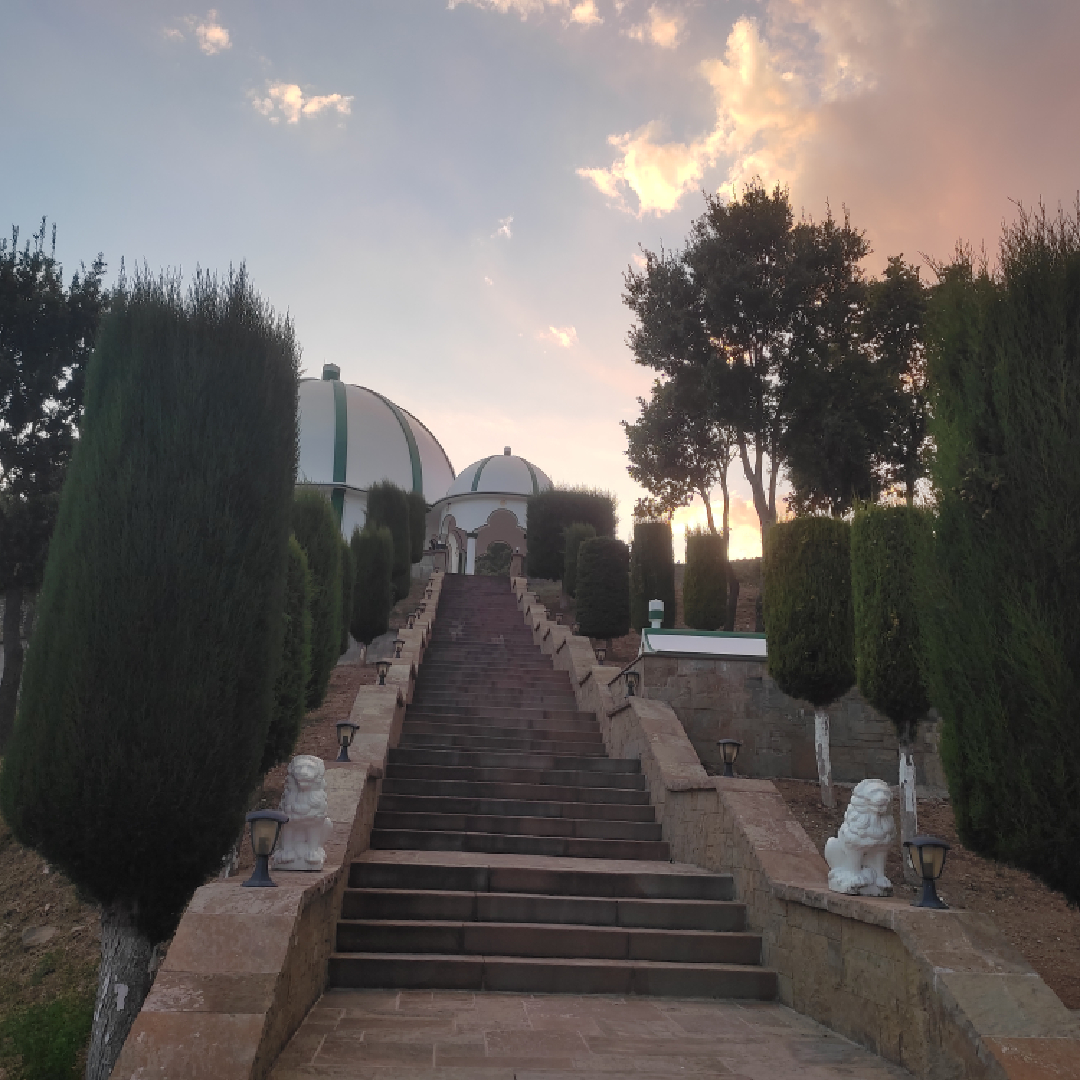
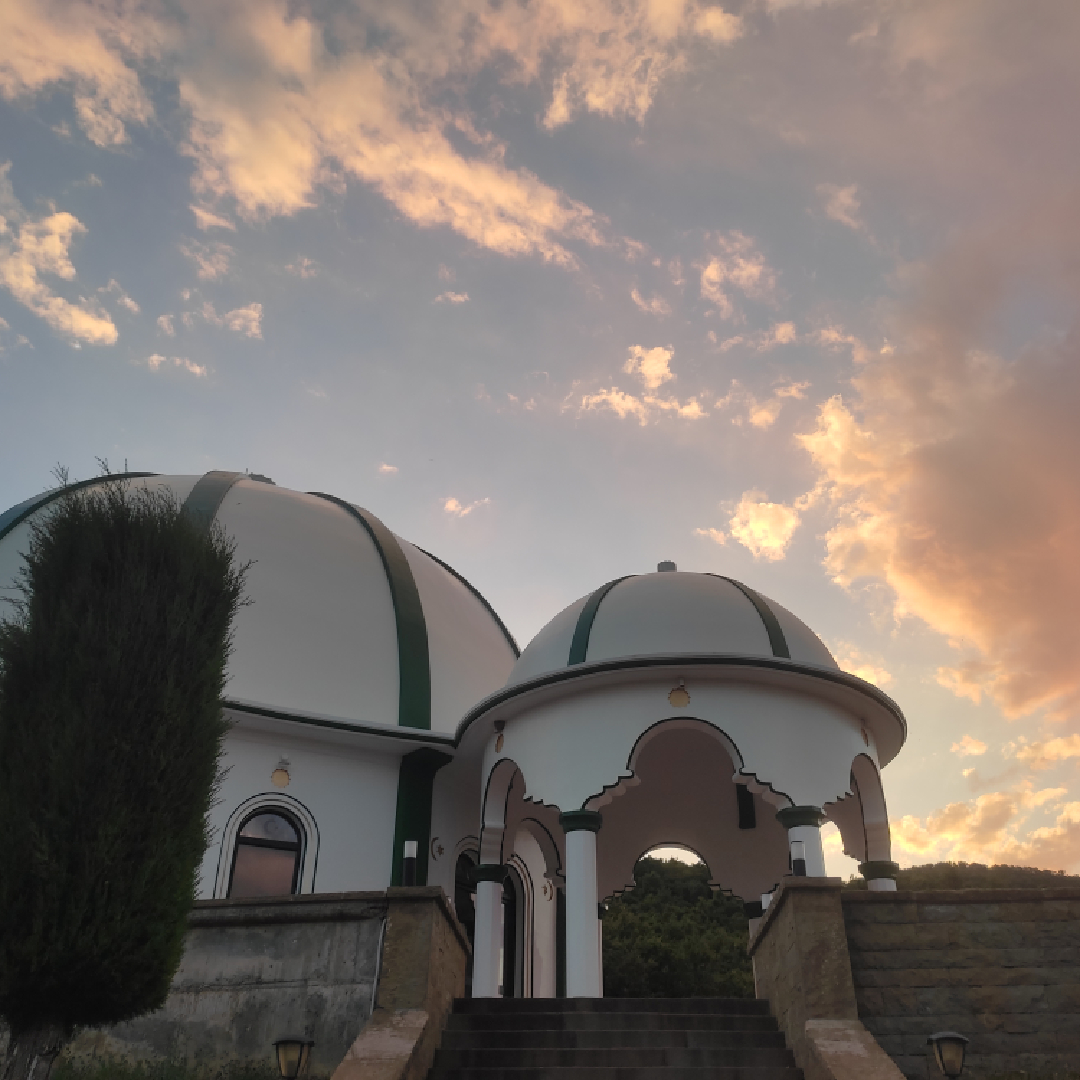
At the rear of the main building, accessible through an eastern entrance, there is a single-story section comprising the salon, the Meydan and the Hayat. The Meydan represents the principal sacred space of the tekke, where Bektashi religious ceremonies and rituals take place. It is covered by a concrete dome with a twelve-sided exterior form, symbolically associated with the twelve-sided teslim, an important element of Bektashi tradition. Adjacent to the Meydan is the Hayat, a covered porch supported by six arches. The origins of the Alipostivan Tekke date back to the 18th century, when it was established by Baba Ali. Over the centuries, its spiritual leadership passed through several figures, including Baba Avdullau, Baba Meleqi, Baba Hysenji, Baba Nazifi, Baba Hajdari and Dervish Selfo. Throughout its history, the tekke has played a significant role not only in religious life but also in the Albanian national movement. It suffered destruction on two occasions: in 1870, when Ottoman authorities burned it down for providing shelter to Albanian insurgents, and again in 1914, when it was set on fire by Greek andartes, due to its involvement in the resistance movement defending Albania's independence. During the years 1908–1912, the tekke became an important meeting place for Albanian patriots and fighters who were committed to the national cause and the proclamation of Albania's independence. Following these difficult events, the building was reconstructed in 1920, restoring its role as a centre of religious and community life.
Like other religious institutions throughout Albania, the Alipostivan Tekke was closed in 1967, during the communist regime's prohibition of religious practices. It reopened following the restoration of democracy, once again becoming an active centre of Bektashi faith and tradition. In May 2003, Dervish Hekurani, originally from Seniçan, assumed the spiritual leadership of the tekke. On 4 May 2010, he was officially appointed Baba and has continued to lead the Alipostivan Tekke, preserving its religious traditions and spiritual heritage.
Photos