
Kulturë· Këlcyrë
12th Assault Brigade
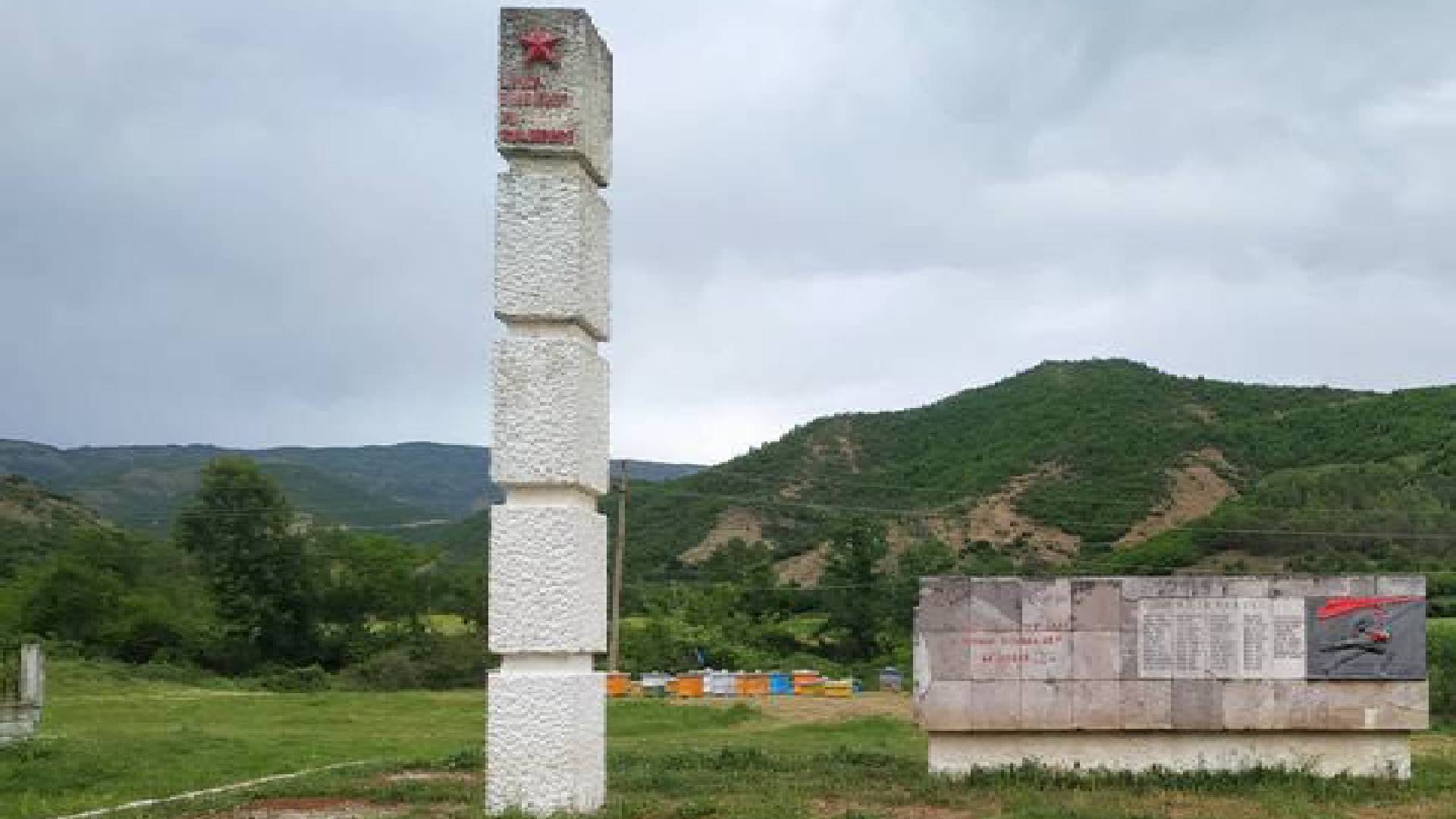
On 20 May 1944, the 12th Assault Brigade of the Albanian National Liberation Army (ANLA) was formed in Sukë, in the region of Dëshnicë, following an order issued by the General Staff on 5 May 1944.
On 20 May 1944, the 12th Assault Brigade of the Albanian National Liberation Army (ANLA) was formed in Sukë, in the region of Dëshnicë, following an order issued by the General Staff on 5 May 1944. On the day of its inauguration, the brigade numbered approximately 670 partisans from Vlora, Gjirokastër, Mallakastër, Tepelena, Përmet, and other regions of southern Albania. The formation ceremony took place in a meadow among the hills of Sukë, where the partisans were organised into four battalions. Haxhi Lleshi read the message of greeting from the General Staff, emphasising the brigade’s role in the struggle for Albania’s liberation. The people of Dëshnicë warmly welcomed the partisans, opening their homes to them and providing support during their stay in the area. The brigade’s first commander was Refat Bajrami, while Qemal Klosi served as political commissar. Following its formation, the brigade took part in the defence of the Përmet Congress on 24 May 1944, as well as in the fighting against the German offensive of June 1944. It subsequently fought in the Vlora–Kurvelesh–Sarandë sector and marched towards central Albania, participating in the operations to liberate Tirana. Throughout its military activities, the 12th Assault Brigade became an important part of the Albanian National Liberation Army’s formations. By the time of Albania’s liberation, its strength had reached approximately 1,250 fighters. According to the information provided, 108 members of the brigade fell in the struggle for the country’s liberation.
The formation of the 12th Assault Brigade in Sukë represents a significant event in the history of Dëshnicë and the Këlcyrë region, highlighting the area’s role in the organisation and support of the national liberation movement during the Second World War.
Ture në afërsi
 Aventurë
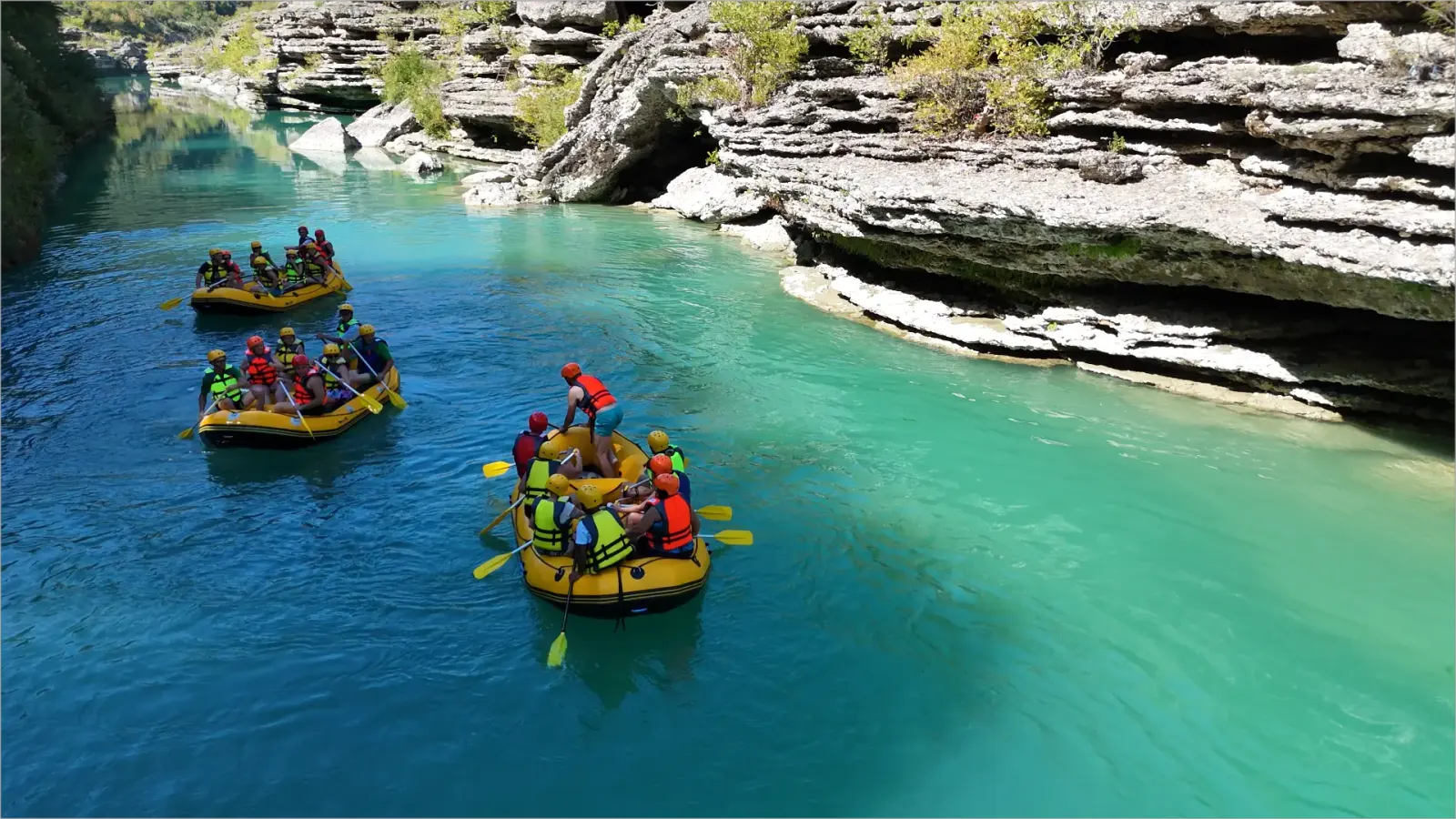
Rafting në lumin Vjosa
Kaloni me raft rrjedhat e klasit II-III nëpër Grykën mahnitëse të Këlcyrës, në Vjosë, lumin e fundit të egër të Evropës. Nuk nevojitet përvojë; të gjitha pajisjet sigurohen.
 Ushqim
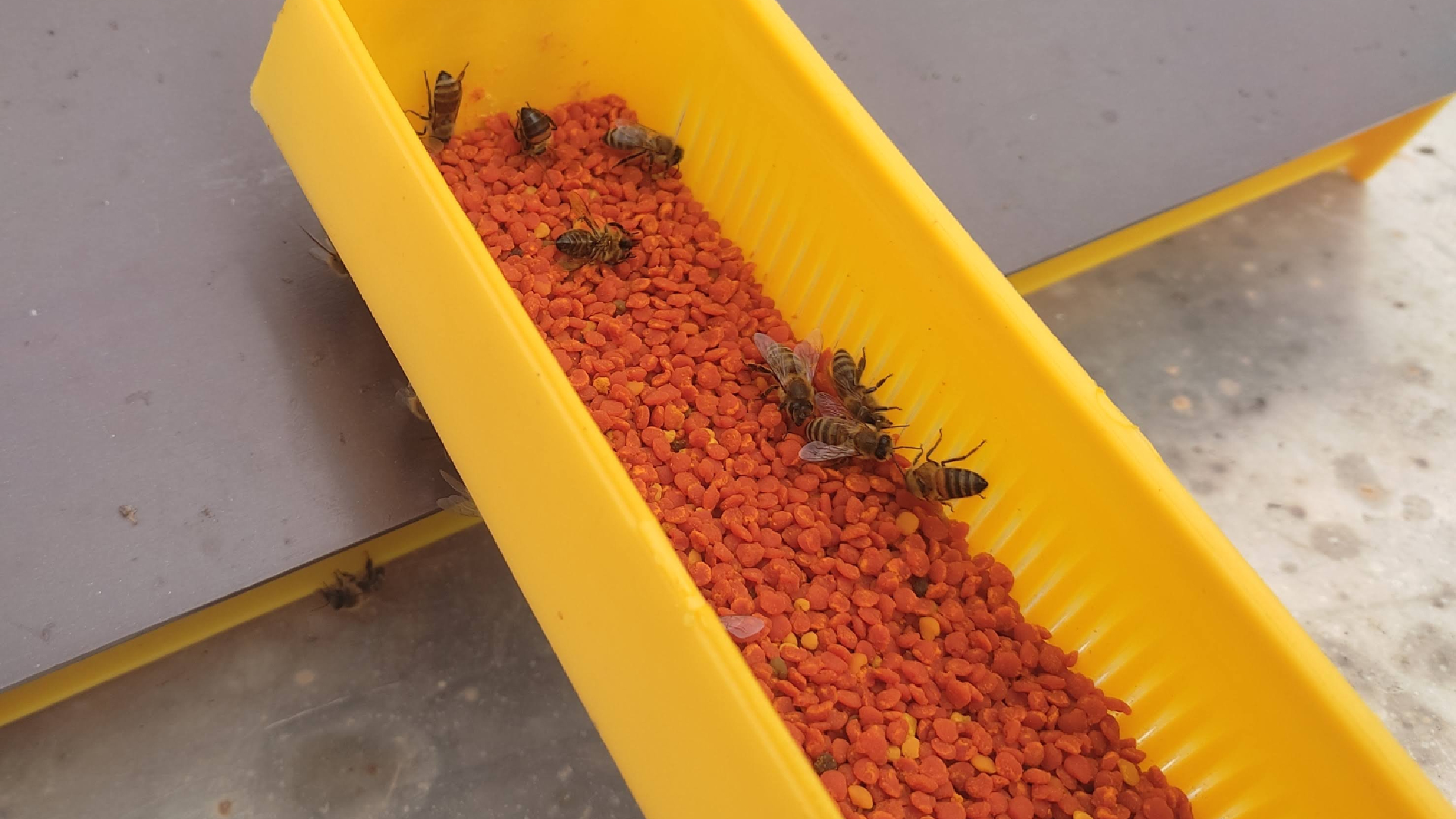
Përvoja e mjaltit
Zbuloni botën magjepsëse të bletarisë në Këlcyrë dhe shijoni mjaltin autentik të Luginës së Dëshnicës.
 Ecje në natyrë
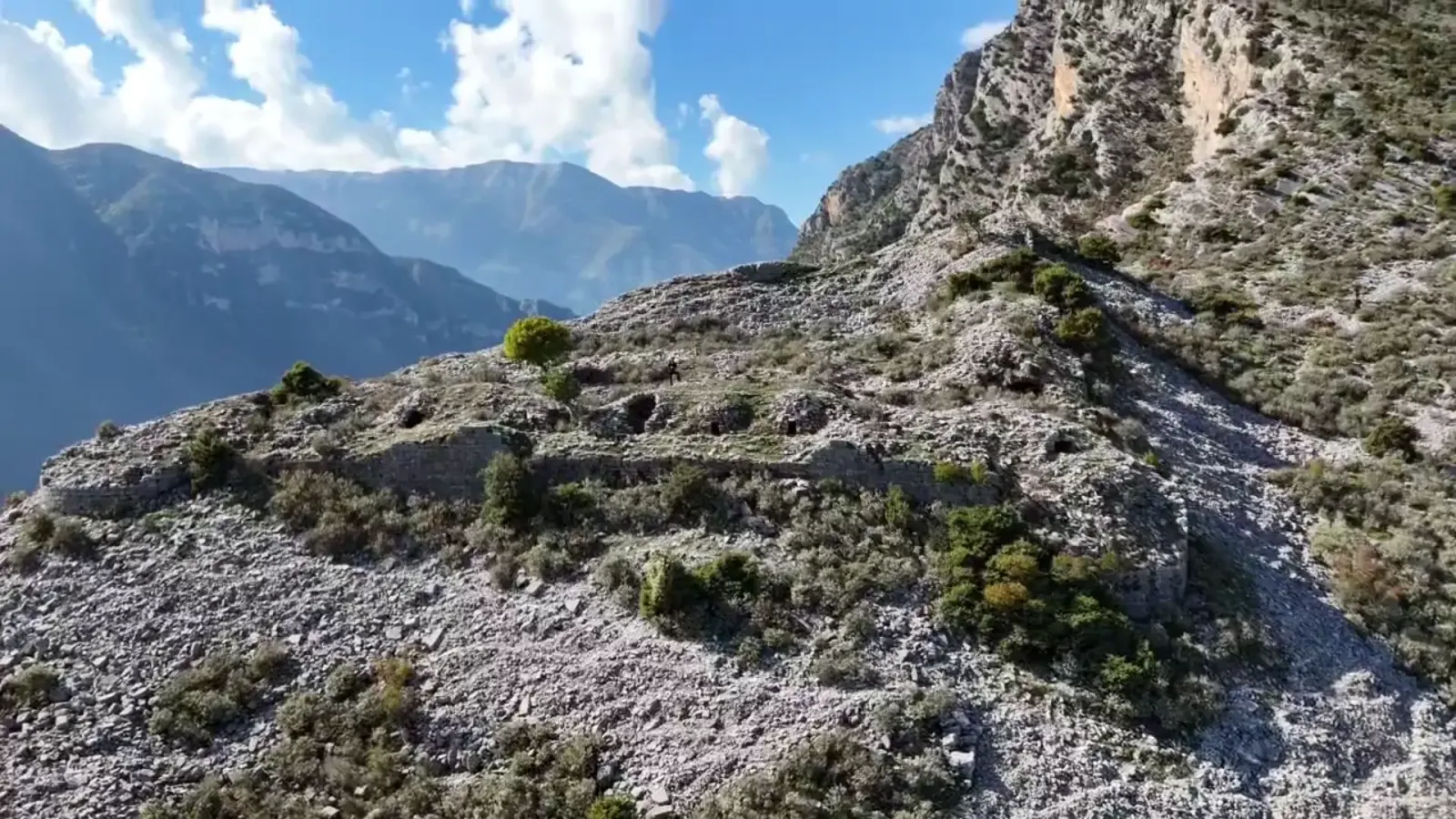
Turi i Këlcyrës
Zbuloni Këlcyrën në një përvojë gjithë ditën që bashkon historinë, ecjen në mal, jetën tradicionale të fshatit, gastronominë vendase dhe peizazhe mahnitëse.